Real Work Starts at the Core
What would it be like to live in a Gucci’world? Demna’s GucciCore presentation gives us a good idea of what that might look like.
GucciCore is the fourth act in Demna’s series of character studies. Since he joined the brand, the creative director of Gucci has been presenting his collections as parts of a connected sequence, like chapters in a play. Each of them so far — La Famiglia, Generation Gucci and Primavera — has been more of an exploration of a type of person or a social archetype through clothing, rather than a set of seasonal trends. And the latest instalment, GucciCore, distils the visual languages of its predecessors, offering a stylistic exploration of what the Gucci way of life could look and feel like.
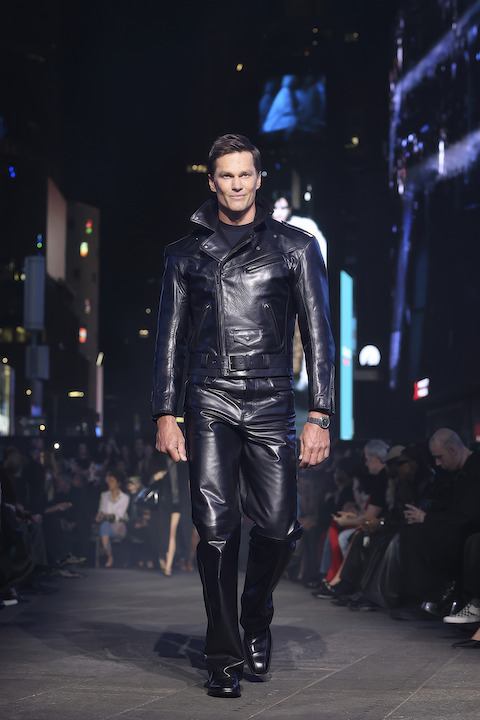
Staged at the iconic Times Square, the Cruise 2027 collection show was a homecoming of sorts. New York was, after all, the site of Gucci’s first outpost outside Italy, and marked a turning point for the maison. Given the city’s historical significance to the house, the choice of location feels deliberate, seeming to allude to Demna’s intention to look ahead without forgetting the roots of the brand.
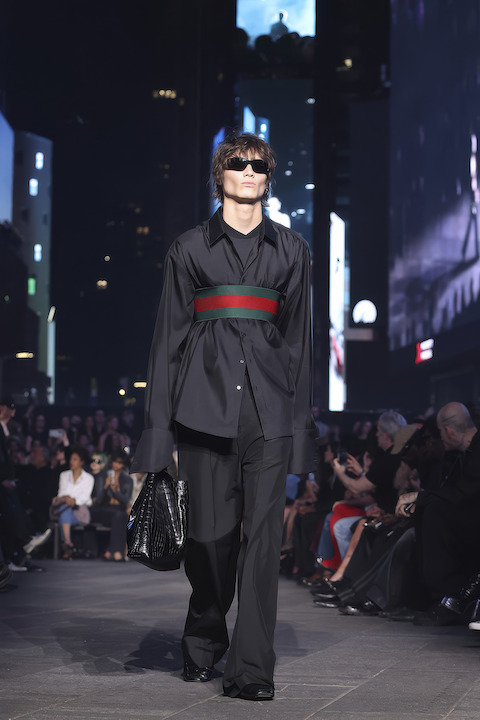
The maison’s heritage, present and future all informed the presentation of the collection. From the invitation to the pre-show, considered details encouraged guests to revisit the past while envisioning what lies ahead. The brass key invitation referenced the golden key used to access Gucci Galleria, an exclusive, hidden space above the maison’s Fifth Avenue flagship, reserved for a select few. Meanwhile, a pre-show montage of found footage and advertisements played across Times Square’s massive high-definition screens, featuring both real and fictional Gucci products.
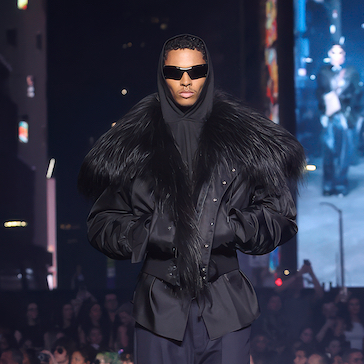
For the show itself, house icons, celebrities and archetypal characters embodying Gucci’s essence took their place on the runway. Pieces from the collection were modelled by figures one might encounter on New York’s streets, from businesspeople and socialites to ladies who lunch and skaters.
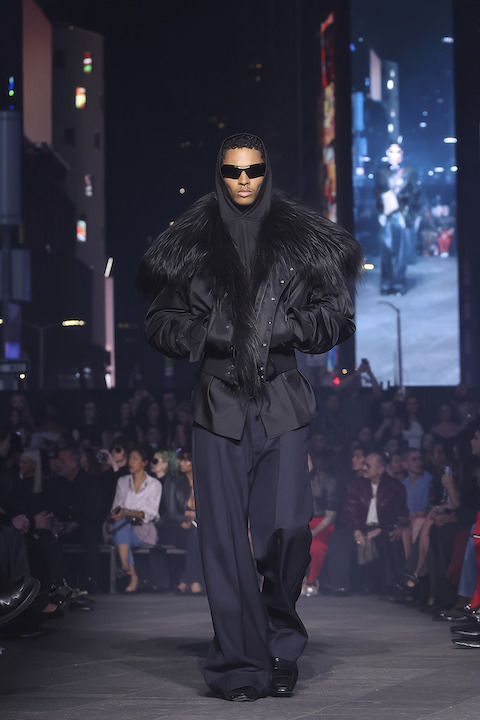
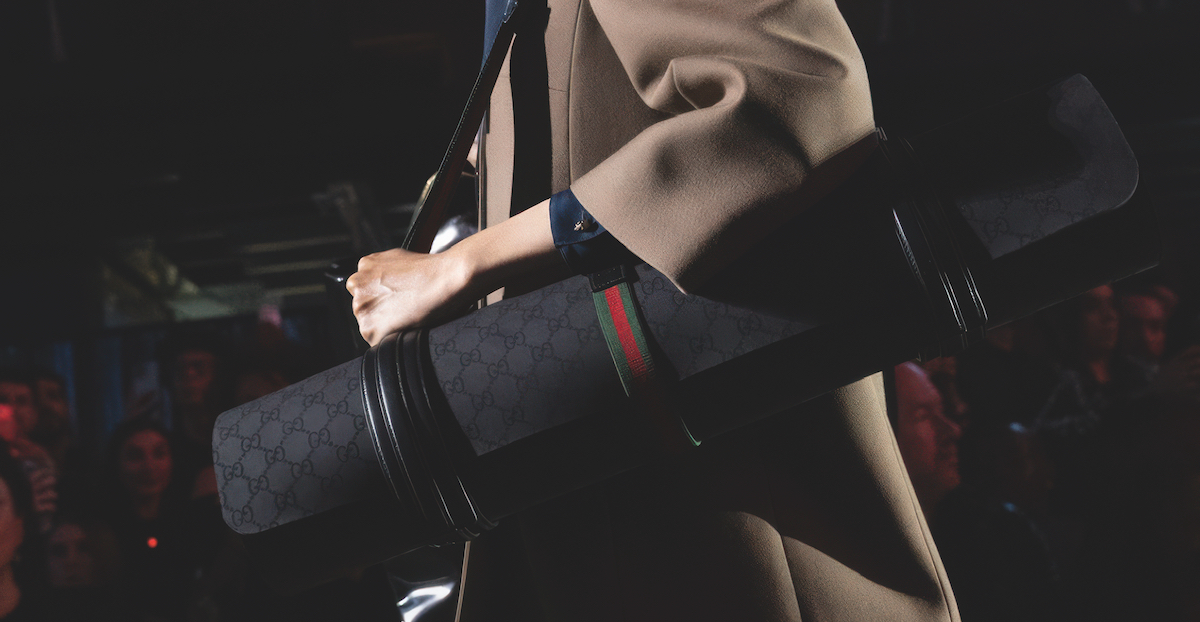
The maison’s motifs took centre stage in myriad ways, bringing Gucci’s visual language to life. They appeared in both unexpected and familiar forms. Heeled boots, for example, featured the iconic horsebit, reimagined to resemble a stirrup. The Web stripe, first introduced in the 1950s, was fashioned into a bandeau top and reappeared as dramatic, loose straps on backpacks. The iconic GG logo made its appearance on everything from interlocking buckles to embellished monograms. Meanwhile, the maison’s Flora motif bloomed across jackets and coats, even lining plush outerwear in a playful peekaboo reveal. Textural contrasts added another dimension to the collection, whether through the juxtaposition of utilitarian fabrics and elegant silhouettes or the grandeur of coats evoking classical Italian glamour.
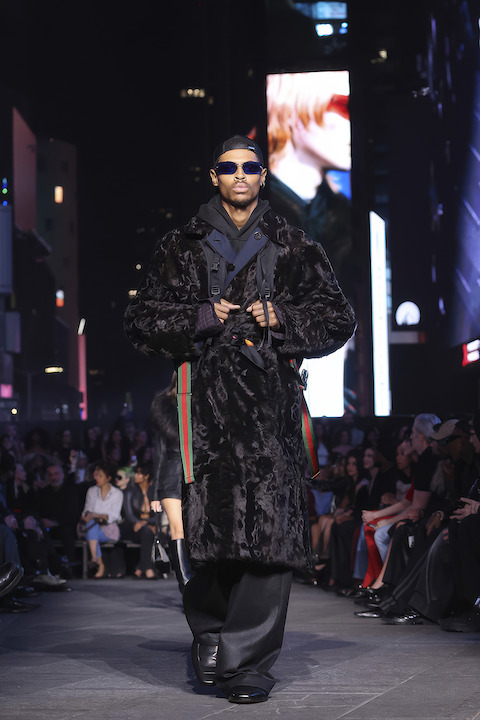
Demna’s reading of the Gucci codes was hardly radical, and that may be precisely why it works. By returning to the brand’s roots, he gives Gucci a firmer sense of identity from which to chart its next chapter. Sometimes the boldest move is to know who you are before deciding where to go.