Charles Melton is Living the Good Life
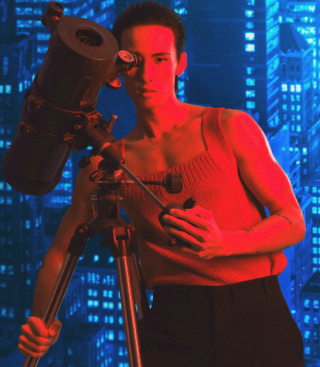
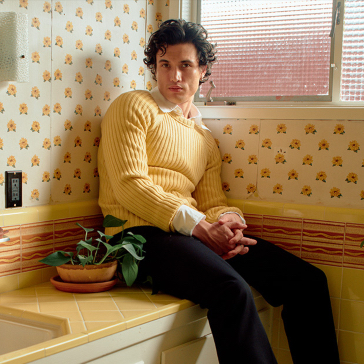
Balancing a meteoric cinematic run with the grounded reality of new fatherhood, Charles Melton’s evolution is both professional and deeply personal. As one of GQ Singapore’s Men of the Year, the actor reflects on the discipline of independent film, the strength in vulnerability, and building a life beyond the screen.
There is an art to finding calm amidst a whirlwind career that is front and centre for all the world to see. For Charles Melton, 2026 has been a lesson in rapid ascent: stepping behind the camera as executive producer for the second installment of Beef, diving into Alex Garland’s Warfare and Nicolas Winding Refn’s Her Private Hell, and joining the stellar ensemble cast of Daniel Kwan and Daniel Scheinert’s next feature alongside Matt Damon and Sandra Oh.
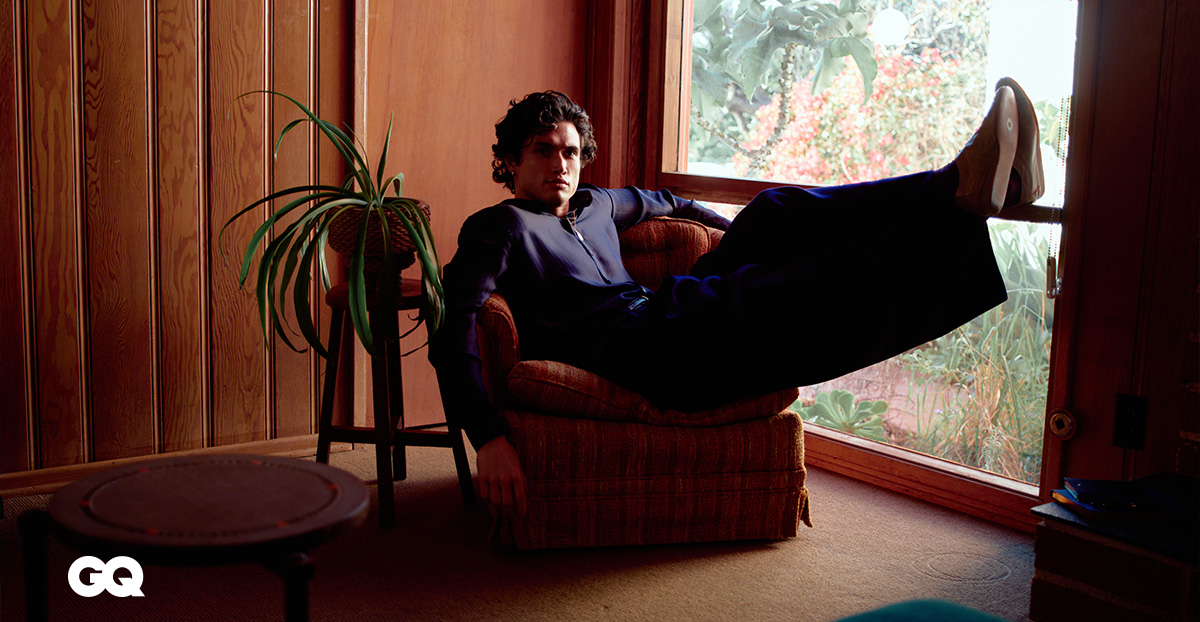
Yet when asked to pinpoint the moment from this past year that truly defines where he stands, Melton bypasses the bright lights of Hollywood altogether. “It would be a quiet morning at home with my wife and our daughter,” Melton says. “Walking to the store to grab breakfast and coffee, just enjoying the simplicity of it all. This year has been incredibly meaningful, but it’s these little moments that really put everything into perspective. There’s something really special about the ordinary moments we sometimes take for granted.”
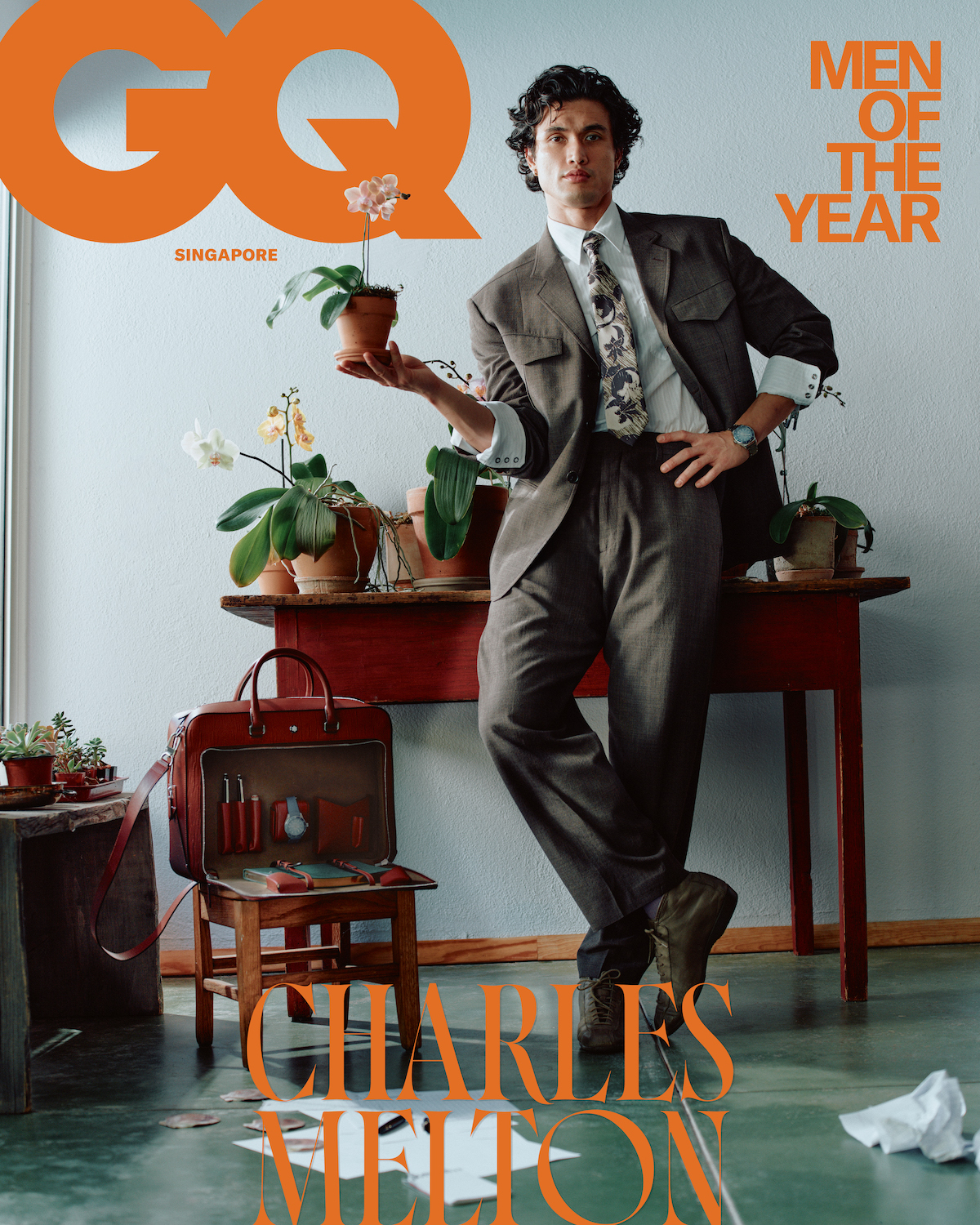
Recognised as one of GQ Singapore’s Men of the Year, the 35-year-old actor’s sensible perspective has allowed him to execute a transition that feels less like a calculated Hollywood pivot and more like a steady, intentional unfolding.
Industry observers often try to draft a clean reinvention narrative for actors who transition from network television to independent cinema, but Melton views his trajectory with a much sharper sense of continuity. His six-season run as Reggie Mantle on Riverdale was not just a pop-culture footprint;it was an incubator for screen endurance and unexpected industry connections.
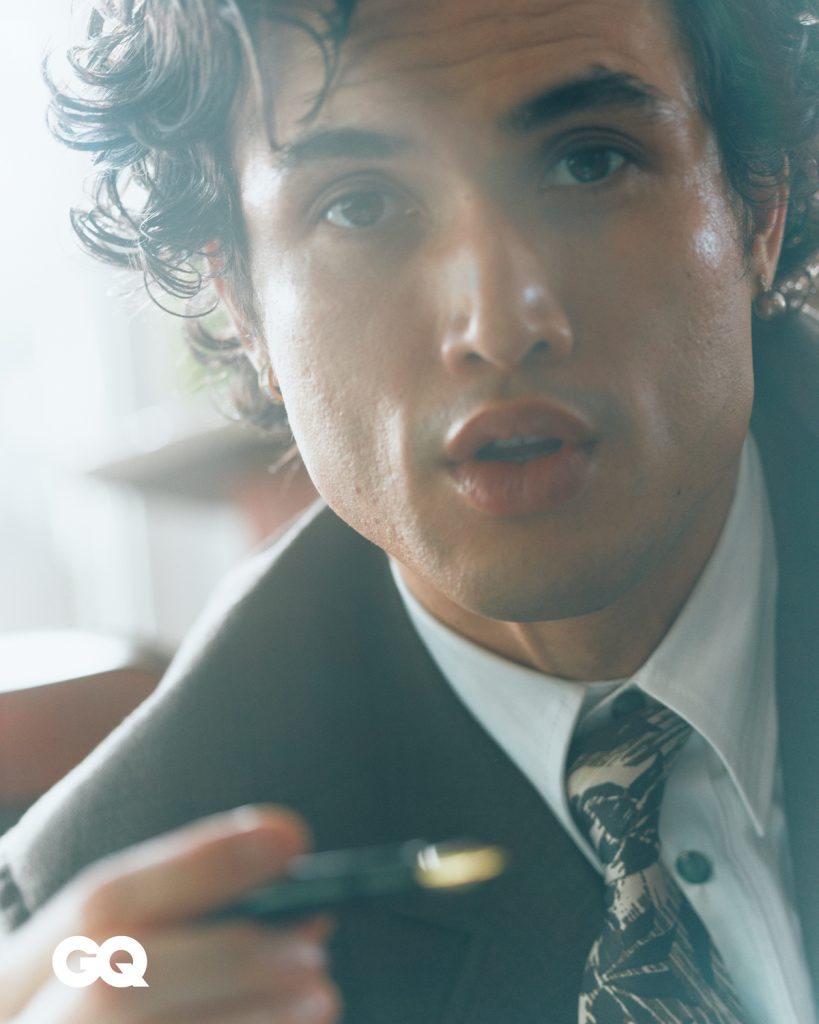

After all, it was director Nicolas Winding Refn’s daughter watching Riverdale that led Refn to discover Melton and cast him in Her Private Hell. “What I’m most grateful for is the people and the friendships I developed on the show,” Melton reflects.
When Todd Haynes cast him in his breakthrough role in May December opposite Julianne Moore and Natalie Portman, the experience served as a homecoming to the exact kind of storytelling that drew him to acting in the first place. “Working with Todd Haynes, Julianne Moore, and Natalie Portman gave me the opportunity to explore a kind of storytelling I had always been drawn to,” he explains. “It challenged me and reaffirmed why I fell in love with acting. I’ve always had a deep appreciation for independent cinema as an art form… I want to continue championing independent filmmaking and being part of stories that challenge perspectives and move people.”
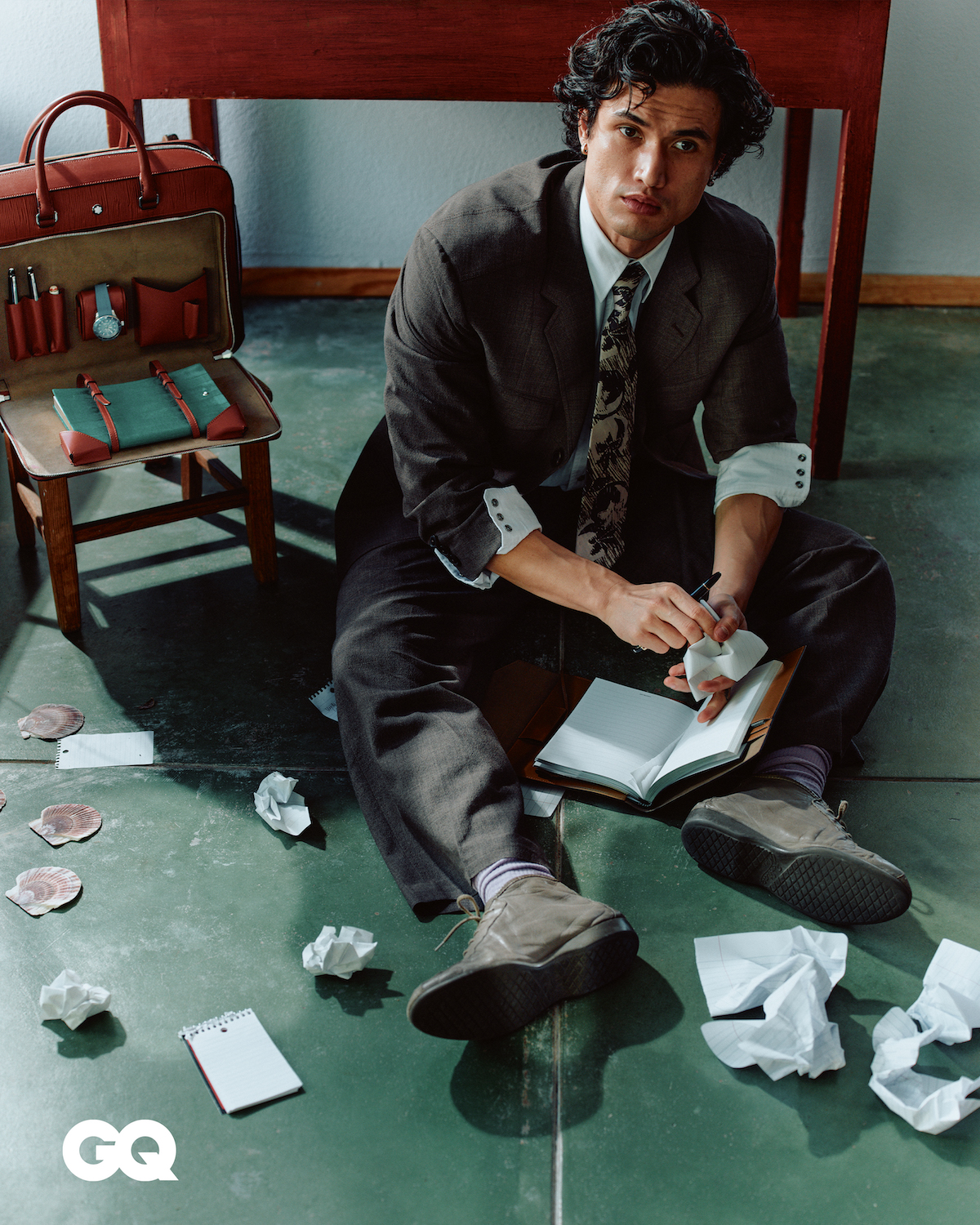
That commitment to telling honest, authentic stories is now his primary compass when reading a script. Whether requiring physical transformation or deep emotional excavation, Melton looks for project boundaries that force him into uncharted territory. “I love going into every film knowing that I’m going to be pushed outside my comfort zone, challenged in new ways, and discover something about myself along the way,” he says.
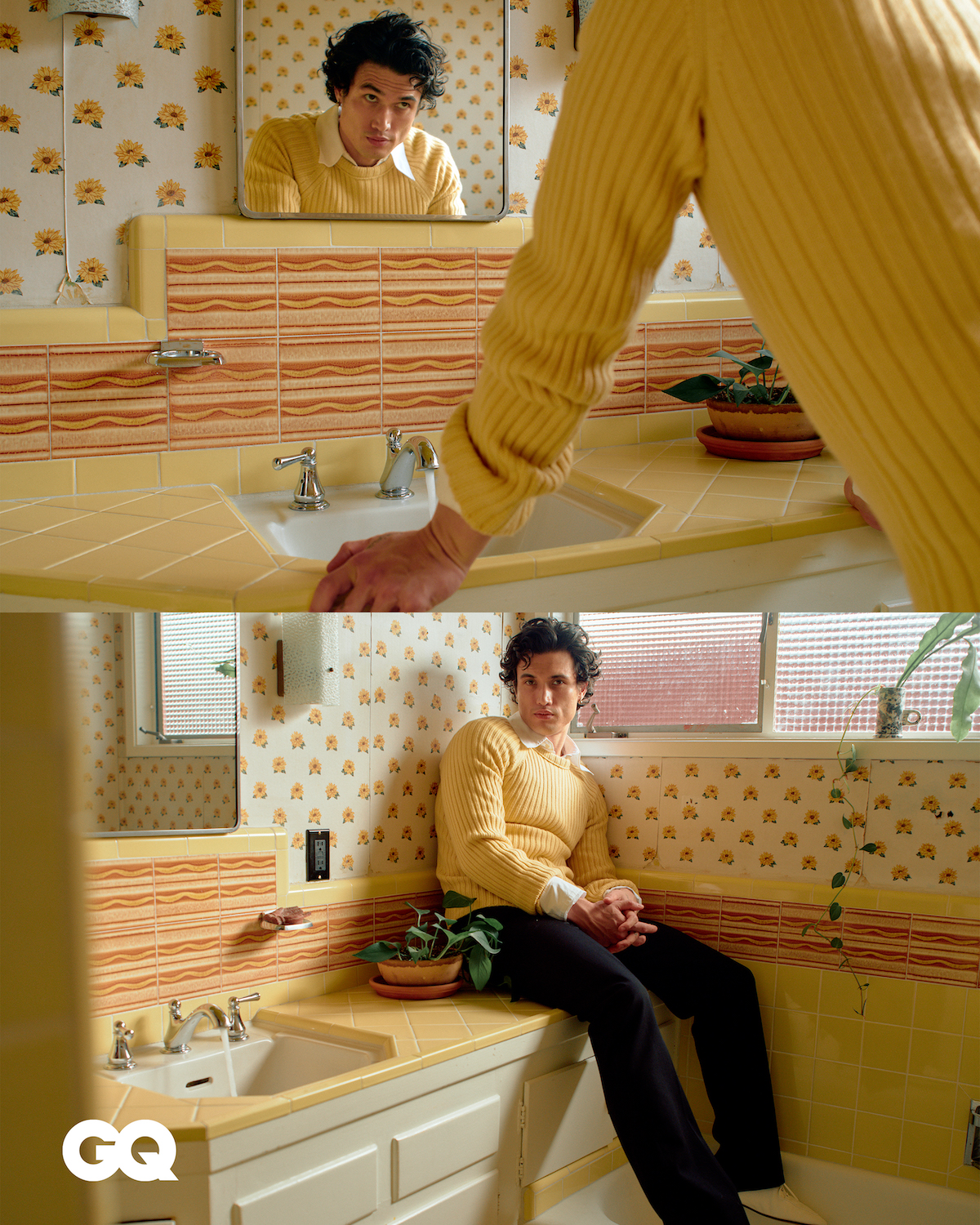
On Beef, Melton expanded his creative agency by taking on an executive producer credit while co-shaping his character, Austin. Working closely with creator Lee Sung Jin, Austin was written specifically for Melton, unlocking a nuanced dialogue around identity, relationships, and the experience of navigating the world as a half-Korean man. “What was so special about working with Lee Sung Jin was the level of trust and collaboration,” Melton notes. “There are aspects of Austin that I understand on a deeply personal level. He’s someone who wants to do the right thing, who wants to be loved and who sometimes loses himself in the process. I wanted to approach him with empathy, even when his choices were uncomfortable or difficult to understand.”
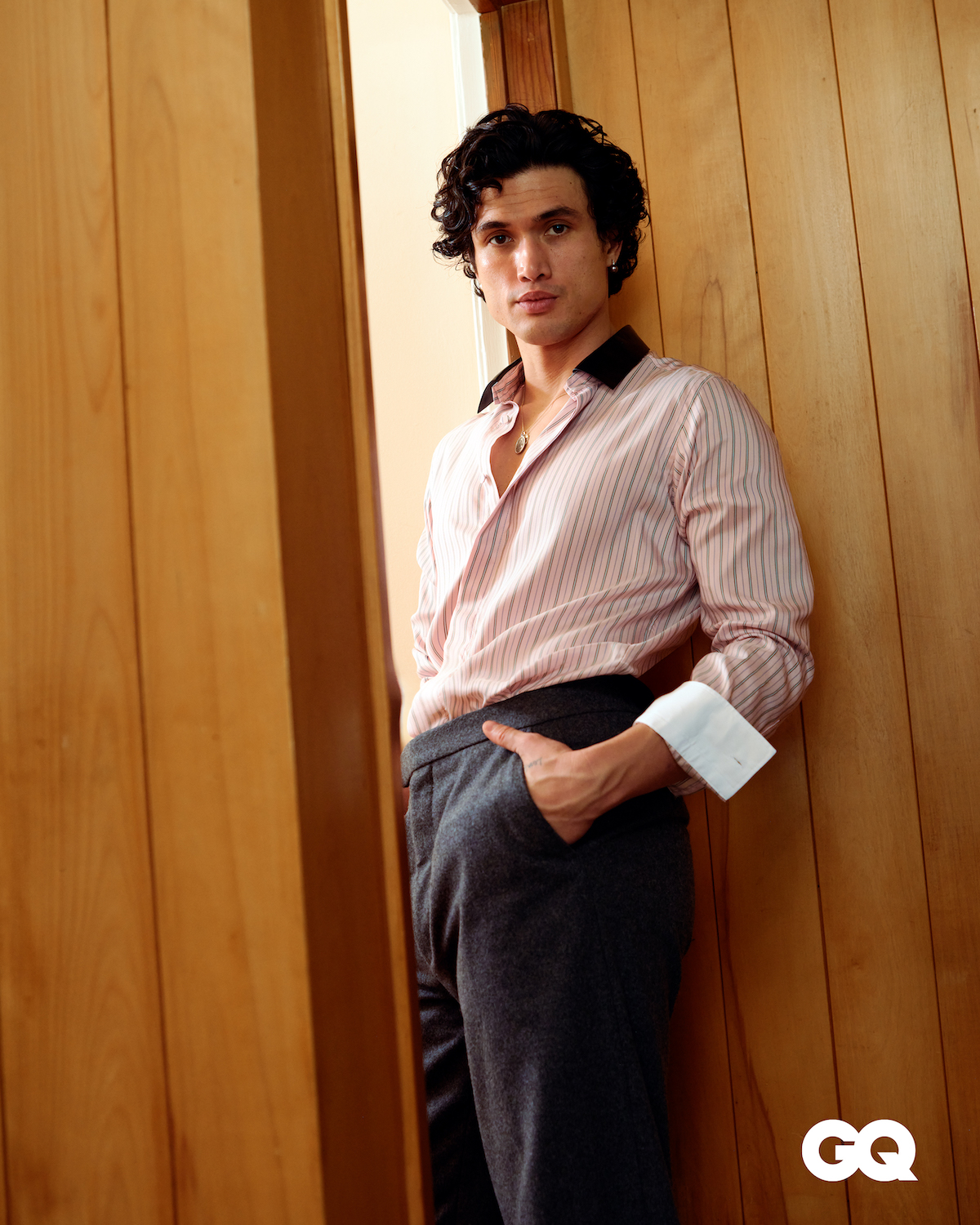
That appetite for creative control extends into his future horizon. Beyond acting, Melton is increasingly focused on developing and producing original projects that centre on his Korean heritage and the cultural stories he grew up with. “There are so many perspectives and experiences that deserve to be shared, and I’d love to be part of bringing those stories to the screen,” he says.
Storytelling also fuels his home life with his wife, director Camille Summers-Valli. Melton recently starred in her short film Untitled Woman, an experience that deepened his admiration for her distinct visual lens. “Camille is an amazing filmmaker, and I love the way she sees the world,” he shares. “It was really special getting to work with her and see her vision come to life.”
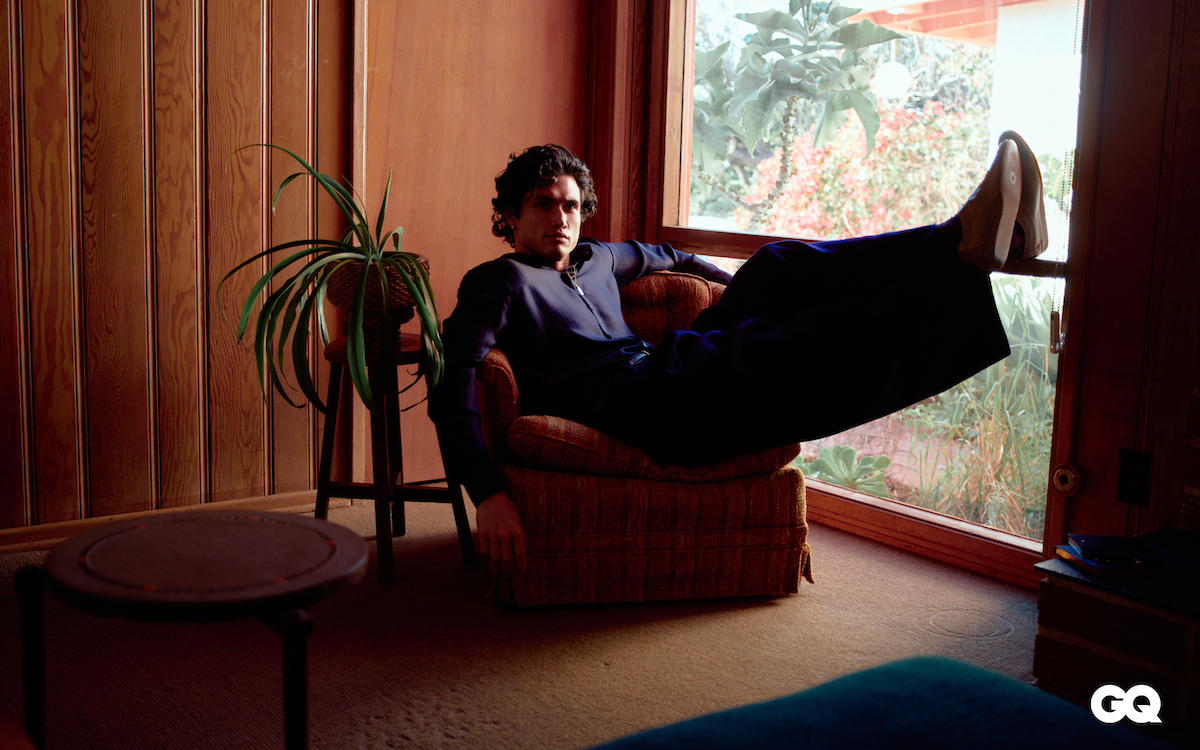
When he steps away from the camera entirely, Melton turns to a canvas. Painting offers him an unstructured, private outlet where there are no directors, scripts, or studio notes. “Painting gives me a different kind of creative freedom and is something I can explore entirely on my own,” he explains. “There’s no expectation of what it needs to become. I can follow whatever I’m feeling at that moment. I find that really freeing.”
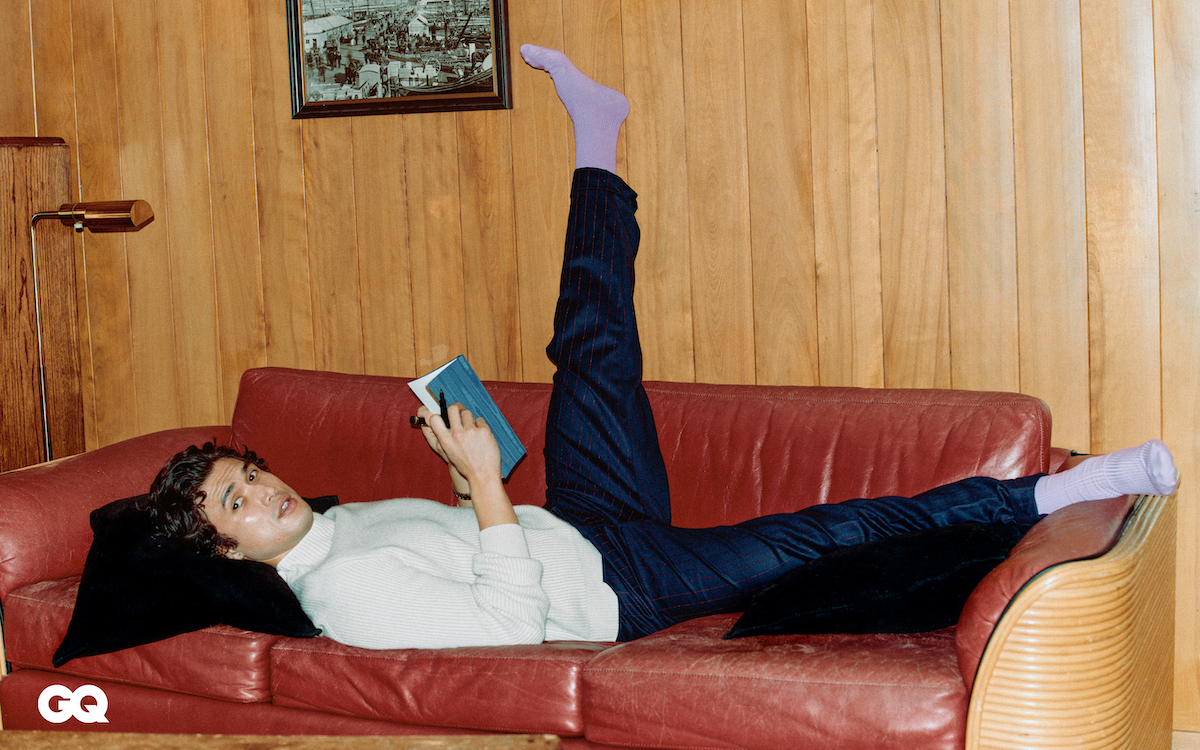
Off the clock, his daily rhythm is disarmingly balanced: spending time with his family, taking his husky Neya on hikes, hosting friends, and ending the evening by reading to his daughter before bed. Becoming a father this year has given Melton’s connection to his roots a fresh, immediate resonance. The instinct to preserve and pass down his heritage surfaced almost automatically in his daily parenting rituals.
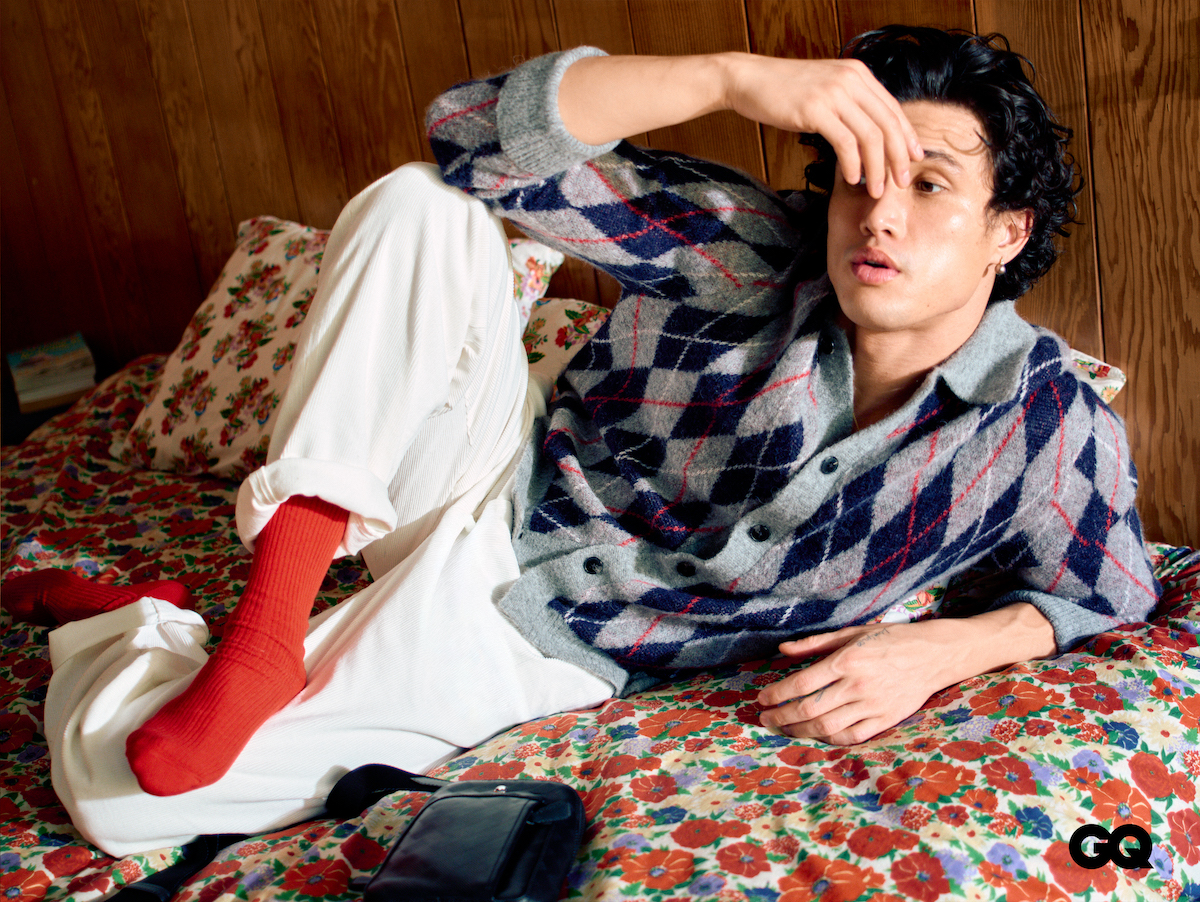
“One thing that’s surprised me about becoming a father is how much I love speaking Korean to my daughter,” he admits. “It happened so naturally, and there’s something really rewarding about seeing her eyes light up when I speak to her. It’s a part of my upbringing that I’m excited to share with her.”
Beyond language and heritage, fatherhood has fundamentally shifted his understanding of what it means to lead a good life — and what it means to be a man. Growing up in a military family, his early concept of manhood was rooted in traditional metrics of strength, duty, and protection. Marriage and fatherhood have expanded that picture into something far more open and resilient.
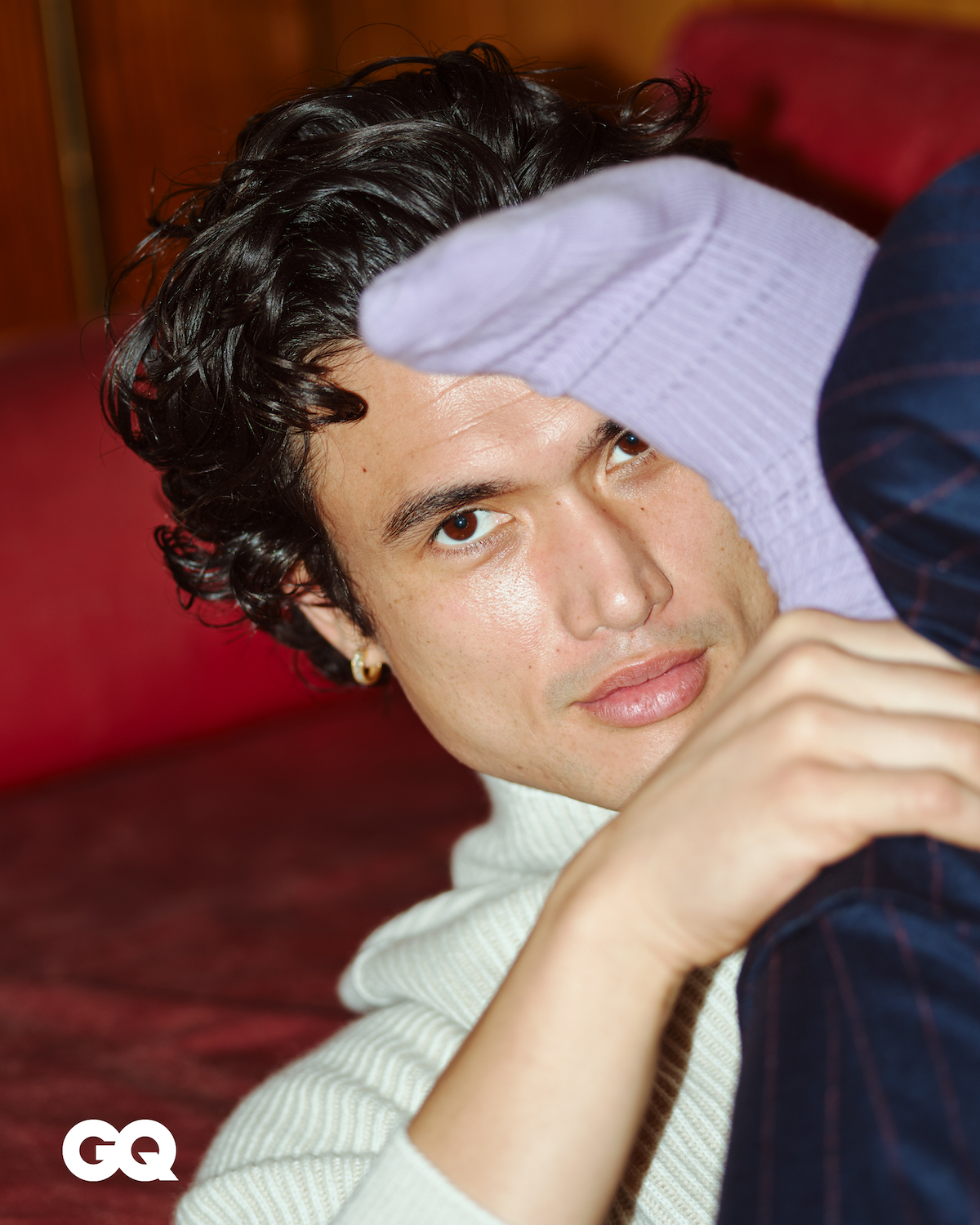
“Growing up, I think I associated being a good man with strength, responsibility and protecting the people you love,” Melton says. “Becoming a husband and father has taught me that strength can show up in different ways. There’s strength in being vulnerable, expressing how you feel and being there for the people you love. I think it’s about leading with love and not being afraid to show it.”
For Melton, the true measure of success lives in the durability of his relationships and the everyday balance he maintains between his passion for cinema and his devotion to his family. “I’m most proud of the relationships I’ve built and the people I get to share my life with,” he says. “When I think about the next few years, I want to continue doing work that inspires me and challenges me as an artist. I want to be present for the people I love, make time for the things that matter and enjoy the life we’re building together. For me, it’s about finding that balance.”
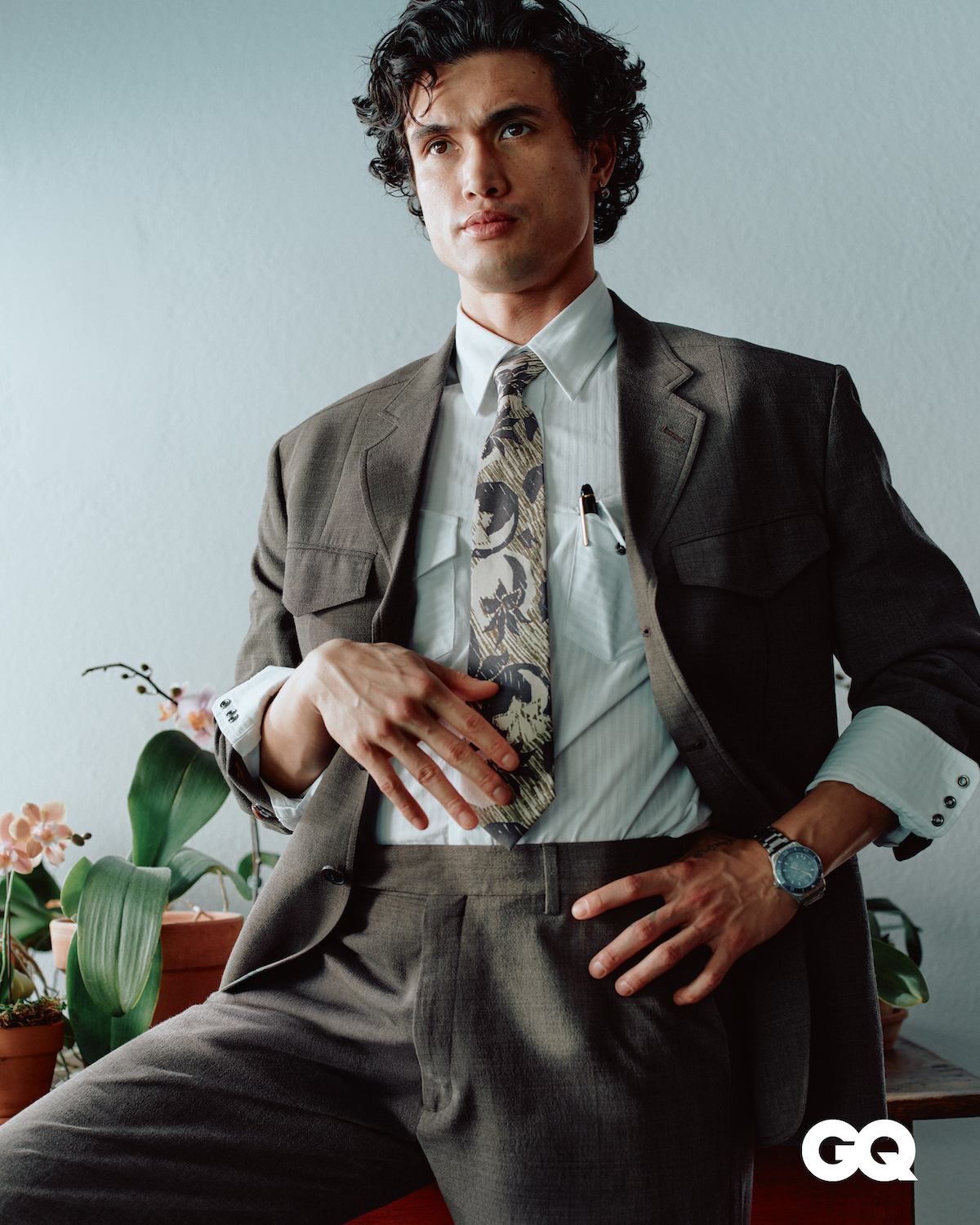
It is this deliberate, quiet calibration that ultimately defines Melton in 2026. In an industry that constantly demands more noise and speed, he actively chooses to ground himself in the present. When the cameras stop rolling and the industry noise quiets, the man behind the work remains remarkably intact. Melton isn’t just navigating a high-profile career. He is actively curating a life worth living away from it — one morning coffee walk, one canvas, and one story at a time.
Photography Chantal Anderson
Editorial Director Jumius Wong
Creative and Style Direction Jenine Oh
Casting Jill Demling
Styling Mindy Le Brock
Grooming Nathaniel Dezan
Executive Producer Alexey Galetskiy
Producer Michelle Kapuscinski / DOBRA PRODUCTION
Wardrobe Assistant Kevin Tew
Stylist’s Assistant Liberty