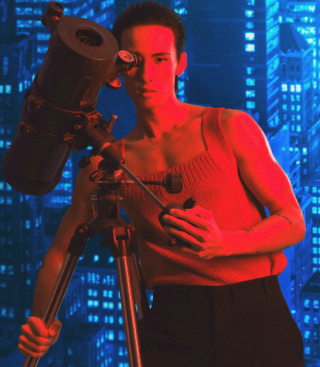
Bright: The Making of a Maverick
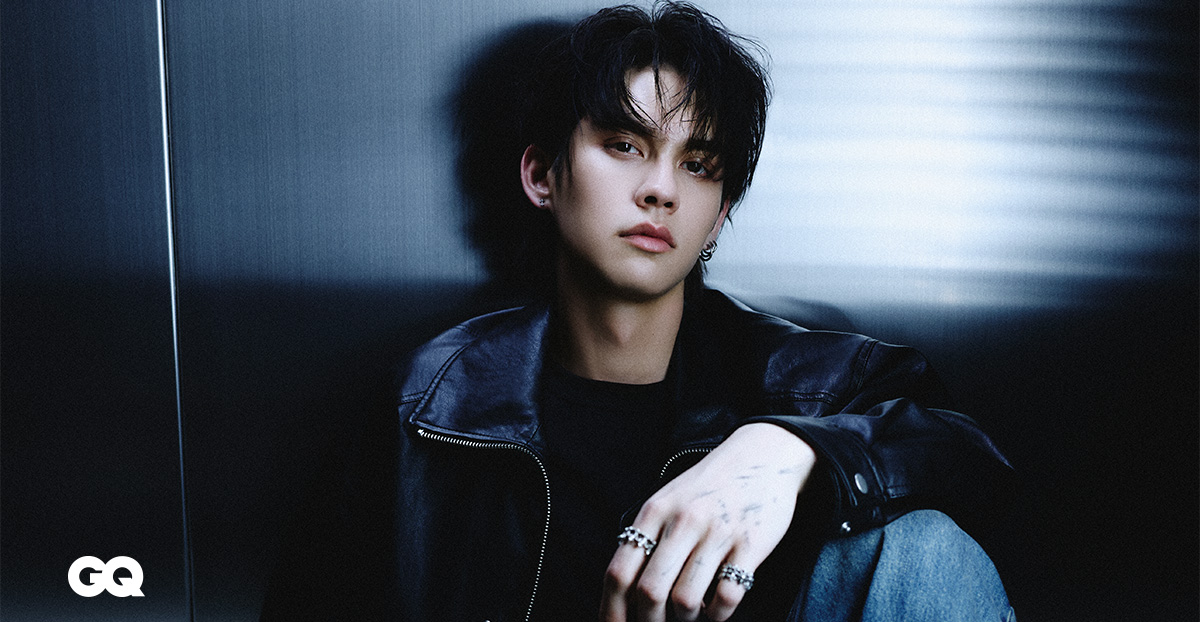
“When I say yes, I want to mean it and give it my everything,” says Bright, one of Asia’s most recognisable stars. Guided by his instincts and an increasingly assured sense of self, the 28-year-old is carving out his own creative freedom, making bold decisions to redefine success on his own terms.
There comes a point in every actor’s career when change ceases to be a choice and becomes almost a necessity. Consider Matthew McConaughey and Robert Pattinson — two actors who moved beyond their established screen personas (the former a romantic lead, the latter a teen idol) to challenge the expectations that came with their respective commercial successes.

Whether it is changing how audiences perceive them or taking the more radical step of charting an entirely new course for their careers, both paths call for a willingness to take risks and venture into unfamiliar territory. An actor should never be held hostage by his own success. Sometimes, the boldest move is to walk away from what made you successful to discover what else you are capable of.
Such is the case with Bright, who first stepped into the spotlight at the age of 14 as a host on the variety show Strawberry Krub Cake. In 2020, he took on the breakout role of the stoic and aloof protagonist in the wildly popular 2gether: The Series. Following the international success of the drama, he became one of Thailand’s most bankable actors. Then came F4 Thailand: Boys Over Flowers, which further cemented his standing as a bona fide star.
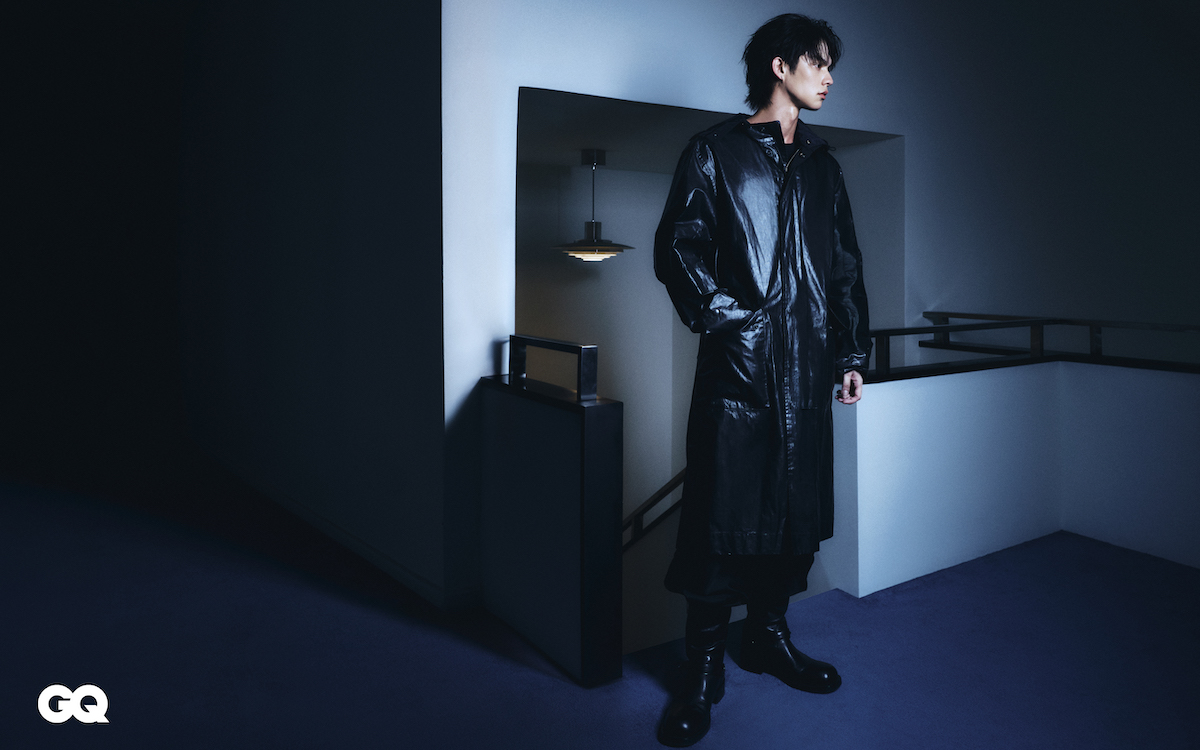
In 2023, at the height of his popularity, Bright made the decision not to renew his five-year contract with his agency. To take greater ownership of his career, he founded his own company, Cloud9 Entertainment.
Setting up Cloud9 Entertainment gave him the freedom to pursue an idea without first seeking everyone’s approval. It also meant deciding which opportunities deserved his time. Even a role he is drawn to may come at the expense of weeks he would otherwise devote to music. For someone who believes in giving his all to every commitment, the opportunity cost can be reason enough to decline an otherwise attractive offer. But what made the prospect of greater autonomy compelling enough to take that risk, particularly when his career was already flourishing?

“Because I get one life, and I want a say in how it goes. I want to choose the work, the people, and the risks I’m willing to take,” he says. “Something can look great from the outside and still be wrong for you. I wanted the freedom to build a version of success I’d actually enjoy living in.”
It was, in some ways, a return to the starting line. “I had experience as an artiste, but building a company was a new territory. I didn’t have all the answers, but I knew I wanted more control over my direction,” he says. “I was willing to look like a beginner to build something that felt right for me. That still feels like a good trade.”
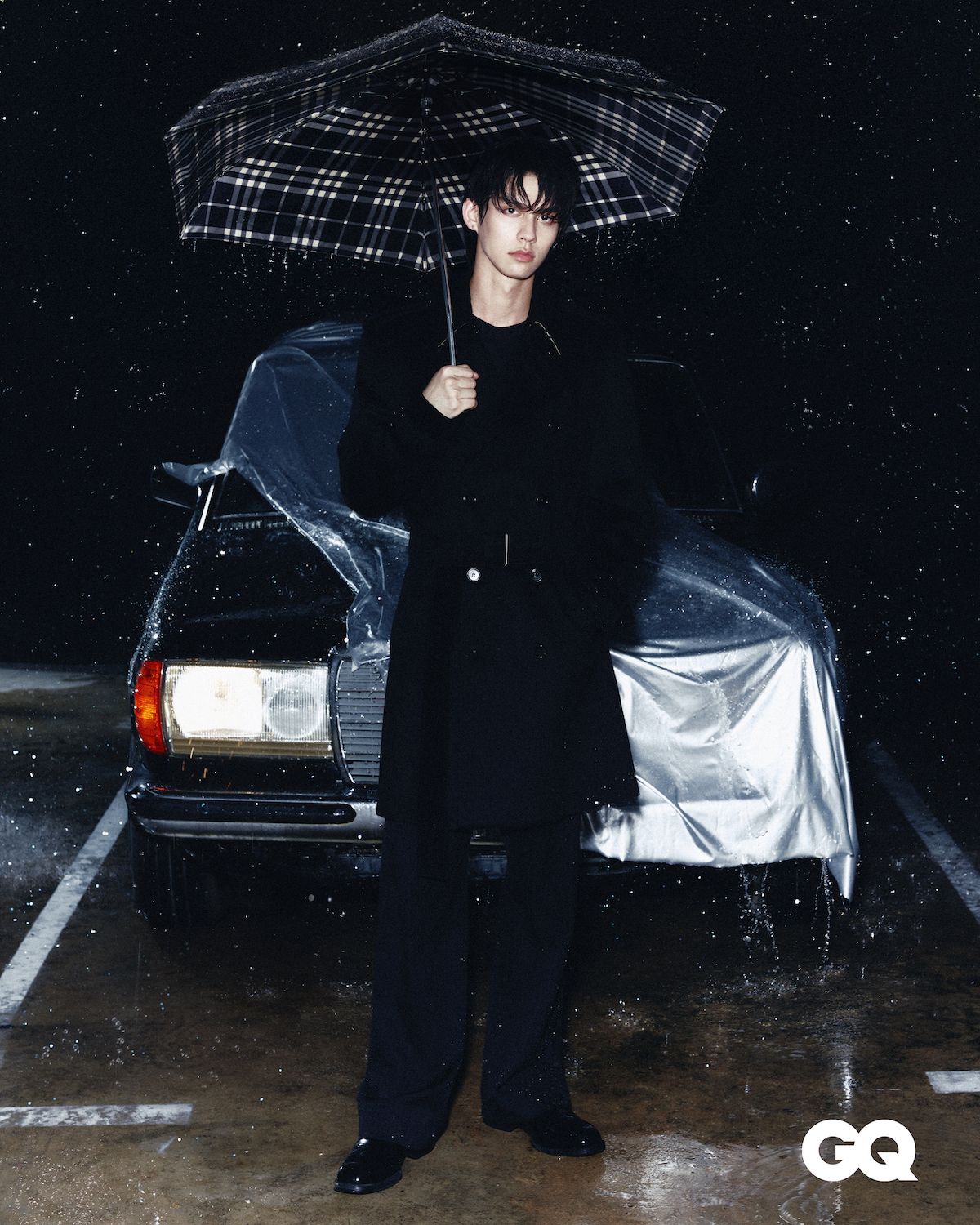
Having the final say also meant accepting that, on occasion, he would get it wrong. “The decisions are mine, and so are the consequences. But that comes with the freedom to choose what’s best for me. I have to trust myself enough to make those choices and own them. I’m willing to take the risk for the life I actually want to live.”

Bright has also learnt whose advice he can trust. “I don’t need to answer every voice in the room,” he says. He values the counsel of people who understand what he is trying to do, know their craft and are honest enough to challenge him when necessary. The decisions are still his to make. Part of trusting his own judgement has been learning to recognise the people who might give him good reason to change his mind.
For Bright, having the autonomy to choose his projects also means being able to give each one the time and attention it warrants. This applies as much to the Japanese acting project he has already begun filming, which is still in production, as it does to the new music he has spent the past three years developing. His work has also taken him across the globe, exposing him to different cultures and perspectives, which he brings into the recording studio through collaborations with songwriters and producers from around the world. “I look for a real connection, a similar instinct, and the freedom to be honest with each other,” he says. “I want us to bring out the best in each other and take an idea somewhere neither of us could have reached alone.”
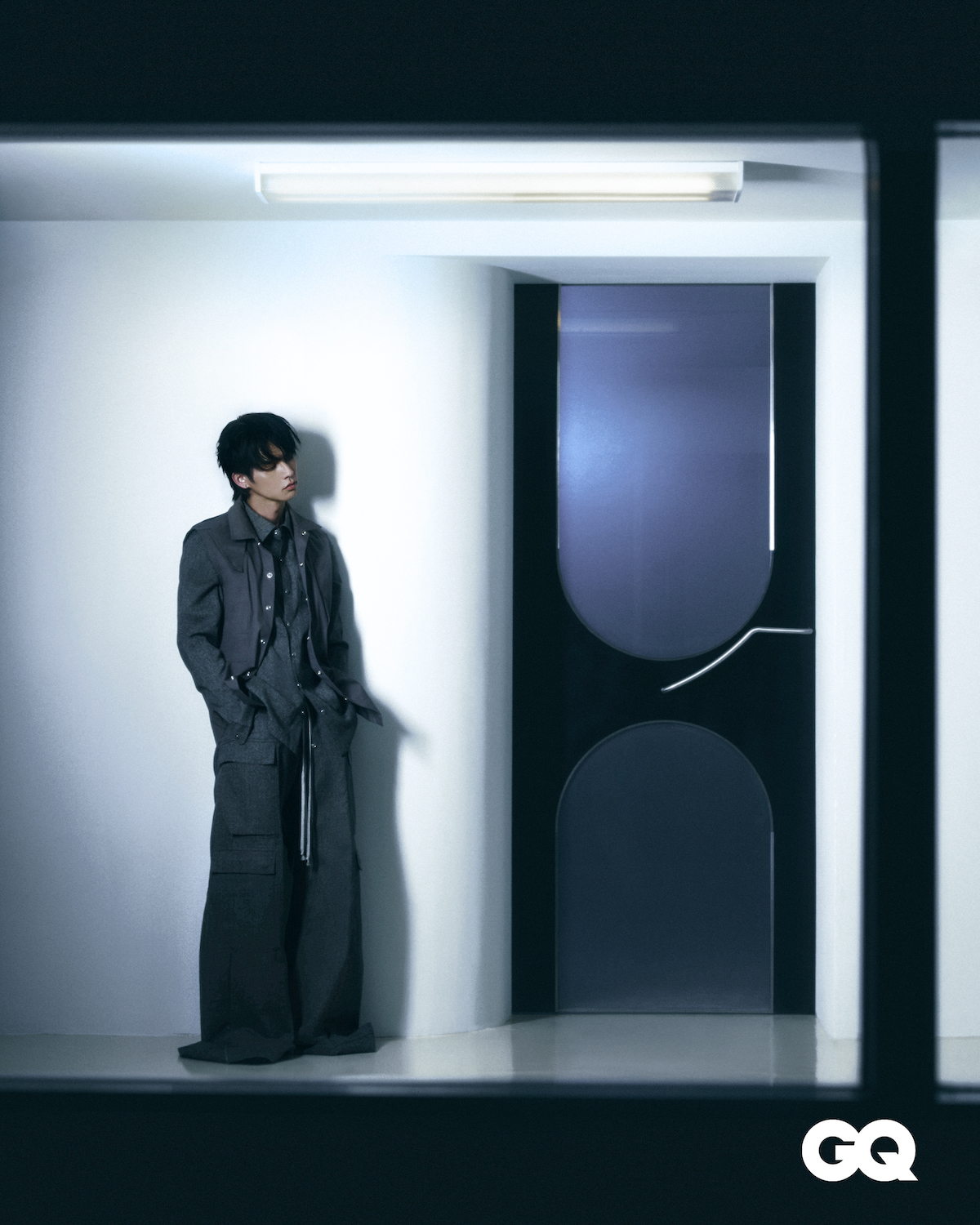
Bright knows what it can mean for a Thai artiste to find an audience abroad. He saw it happen with a series made at home, and one of his reasons for founding Cloud9 Entertainment was to give other Thai artistes that chance. “If I can help open a door for them, I will,” he says.
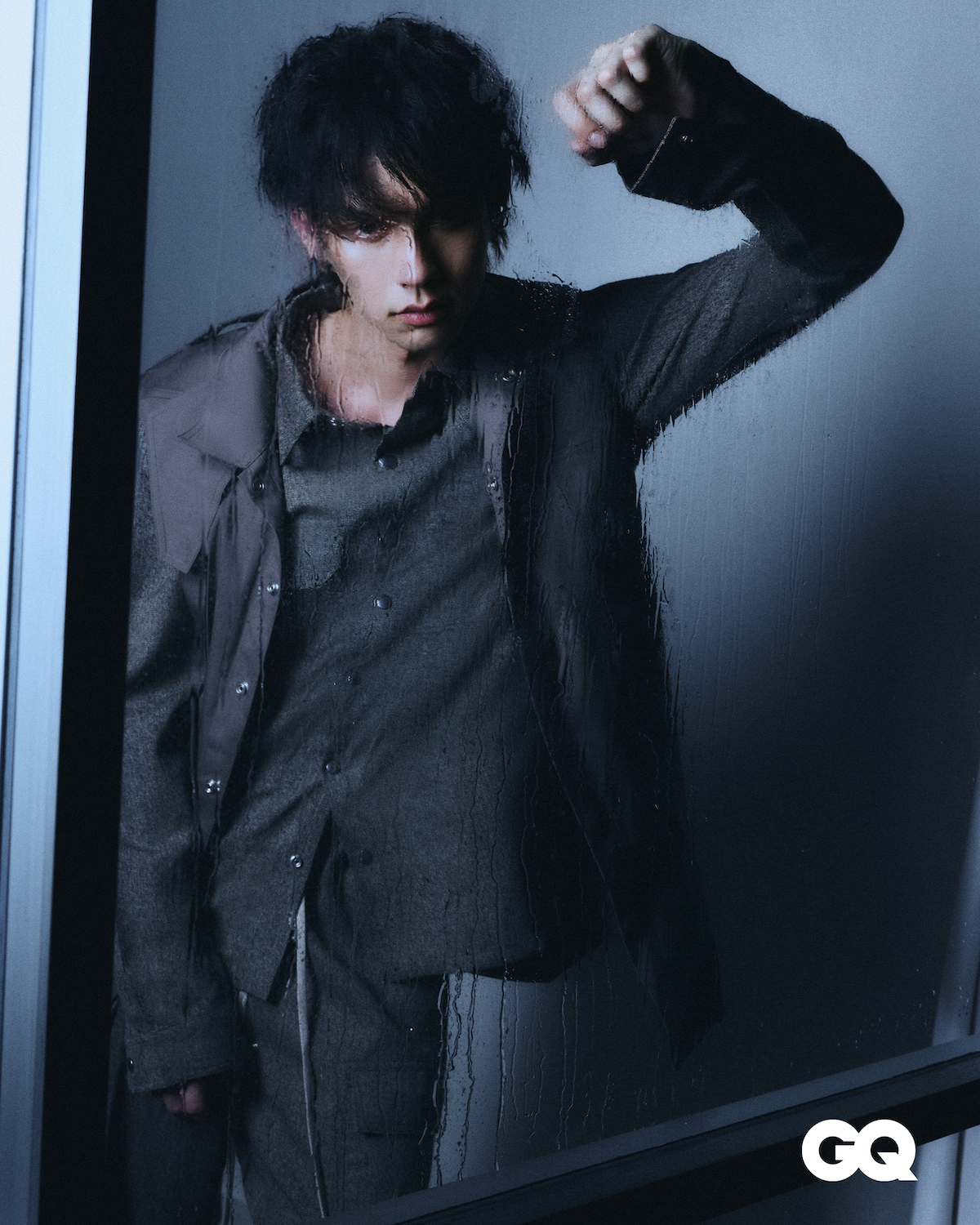
Beyond professional success, he is also thinking about what makes for a fulfilling life. He wants to understand what brings him happiness and have the confidence to pursue it without second-guessing himself. Ask him what he envisions for the future, and his answer is surprisingly grounded. “Great work, freedom, and people I can completely be myself with — that’s a future I want,” he says.
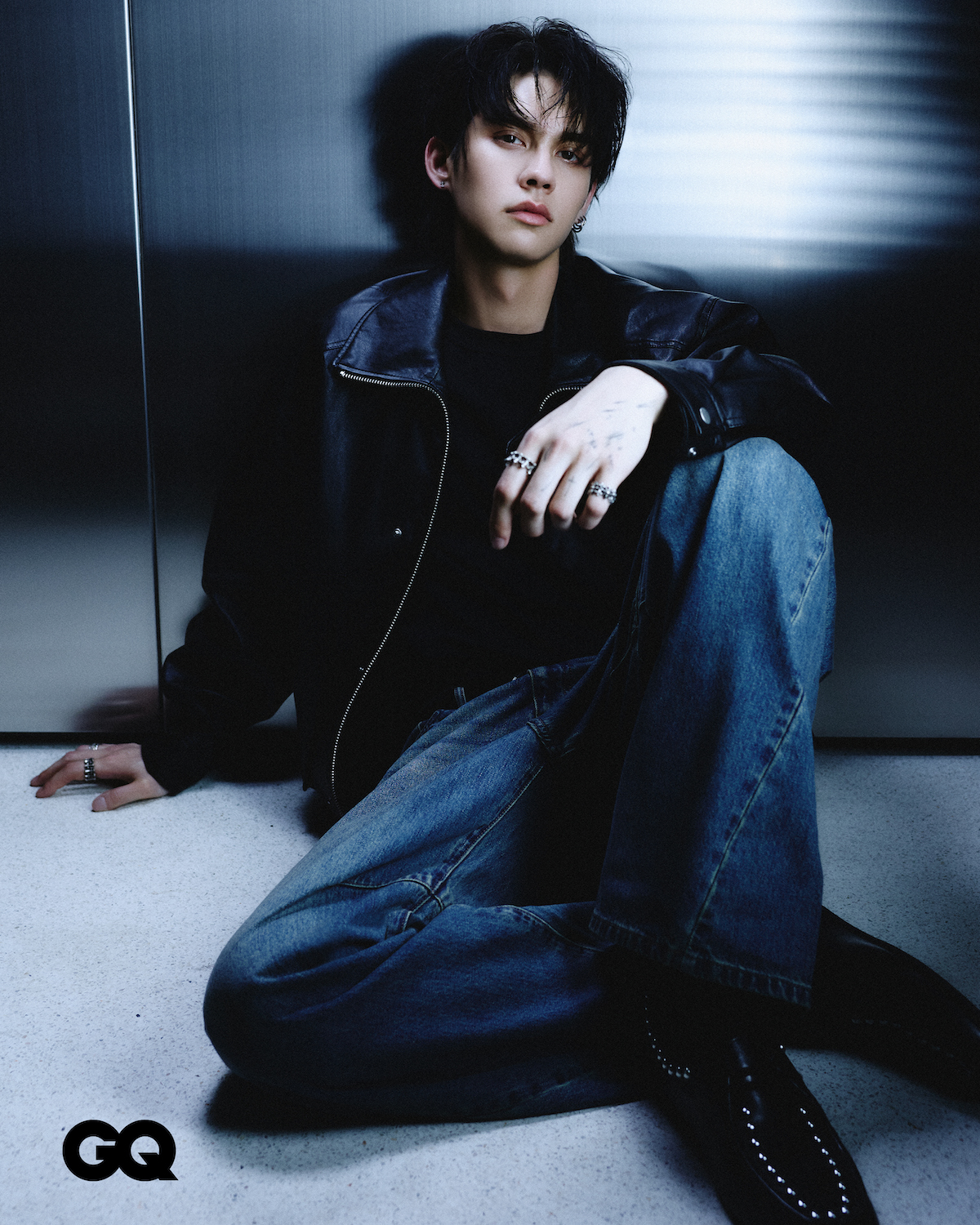
More than a decade has passed since Bright first appeared on television. For years, the audience has come to know him through the characters he has portrayed. The music he has been making will give them a chance to hear him, this time through his own voice and perspective. “There’s still a lot of me they haven’t seen,” he says. Perhaps the most interesting part of Bright’s story is not what we have already seen, but what he has yet to reveal.

Photography Waroon Kieattisin
Editorial Director Jumius Wong
Creative Direction and Styling Jenine Oh
Creative Producer Rena Kok
Hair Domey Charm
Makeup Pornpichit Khum-Nguen
Local producer Wanida Phanpan
Production Manager Montrai Towandejsiri
Photographer’s Assistants Prompong Dechpol, Ratchapoom Yaemnet, Anurak Duangta, Asawanon chaam
Prop Kasemsamran Studio
Retoucher Kieattikhun Chungkachornkieat