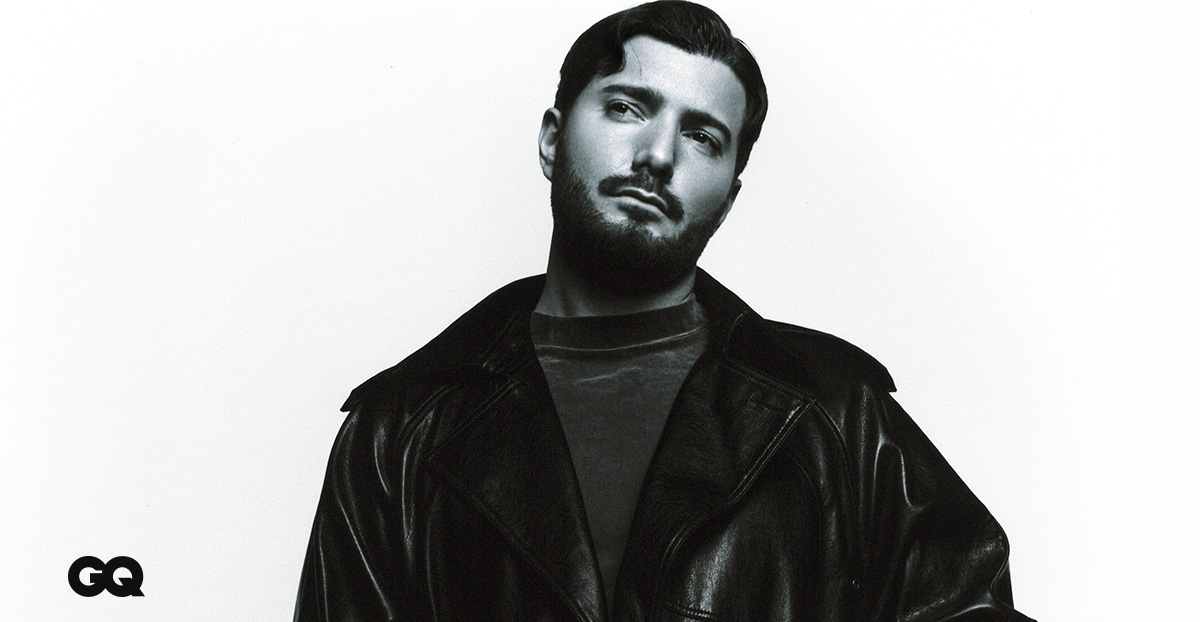
Alesso: After the Drop
Honoured as one of GQ’s Men of the Year, Alesso steps into a new chapter with a harder sound, a softer heart, and a clearer idea of what really matters.
We all know what happens before the drop. Alesso has built a global career on that palpable suspension — the sharp inhale before a room erupts, the split second when a sea of people recognise what is coming, and surrender to it anyway.
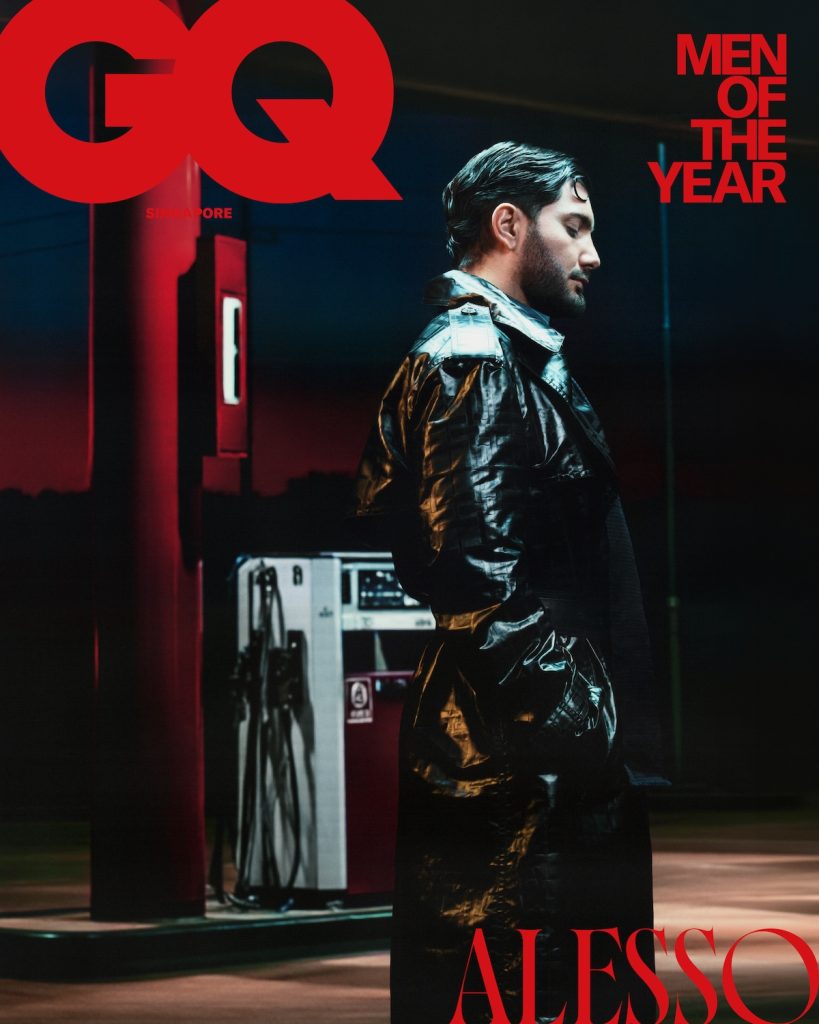
The more compelling question, at this point in his life, is what happens after. For Alesso, the answer involves turning his signature sound on its head, embracing married life, mastering a surprising morning ritual, and reaffirming a core belief — that dance music only works when people are actually present for it.
Operating within the stratosphere of global club culture means making a temporary home inside dark warehouses, Las Vegas superclubs, and cavernous festival arenas. But no matter where he finds himself, his mandate remains the same: command the room, elevate the mood, and create a collective out-of-body experience for thousands of strangers all at once.
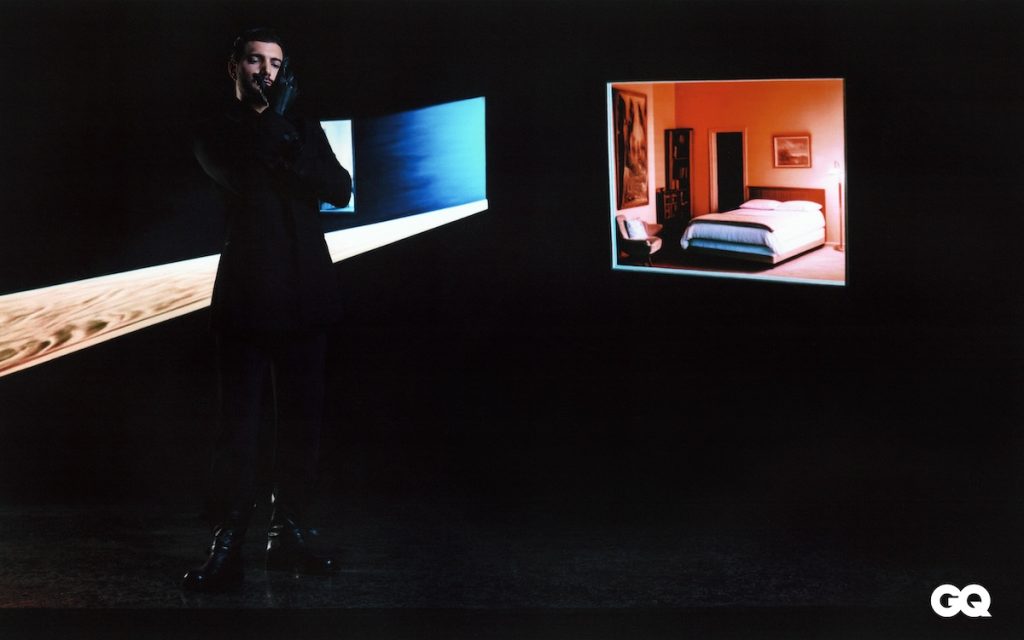
For over a decade, Alesso has executed that mission with rare precision. Born Alessandro Lindblad, the Swedish producer emerged from the golden era of progressive house to become one of its defining architects. His records possessed an innate sense of drama, with massive synth walls, soaring vocal hooks and that precise emotional pivot where melancholy resolves into pure rapture. Over the years, he has stacked up mainstage anthems, chart-topping pop crossovers and high-profile residencies.
Yet in 2026, as he receives GQ Singapore’s Men of the Year honour, he is not interested in resting on his past achievements. He is looking at what lies ahead. “I feel like I’m the most mature and complete version of myself right now,” he says. “But I’m still growing at the same time.”
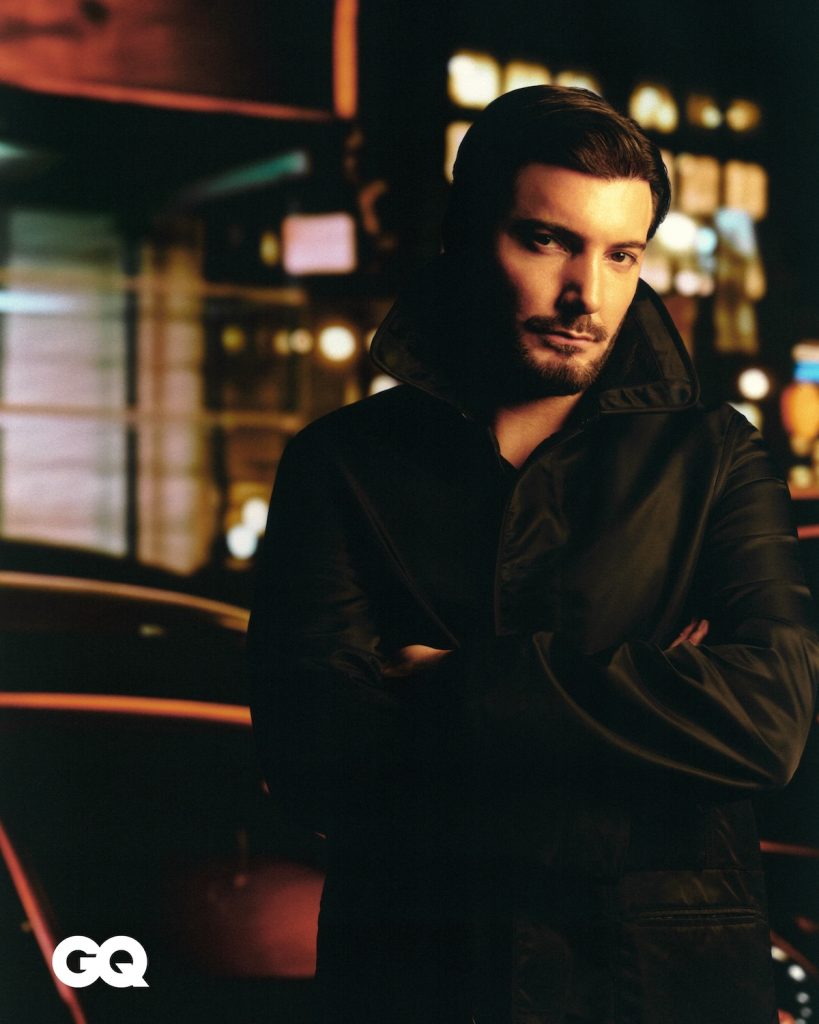
That distinction matters. Alesso is not declaring a final destination so much as a process of continuous refinement. He has never been one to romanticise a single peak or untouchable run. “I’ve never really been someone who looks back and says, ‘That was my best period,’” he notes. “I’m always looking forward, thinking about how I can take everything I’ve learned — the experiences, the mistakes, the history — and use it to get better.”
It is a remarkably grounded perspective for someone whose career has been defined by spectacle. Dance culture feeds on its own mythologies — youth, excess, and volume. Alesso lived all of it, but what occupies him now is something quieter and far more personal: human growth. Learning what to hold onto, what to let go of and what can still surprise you.
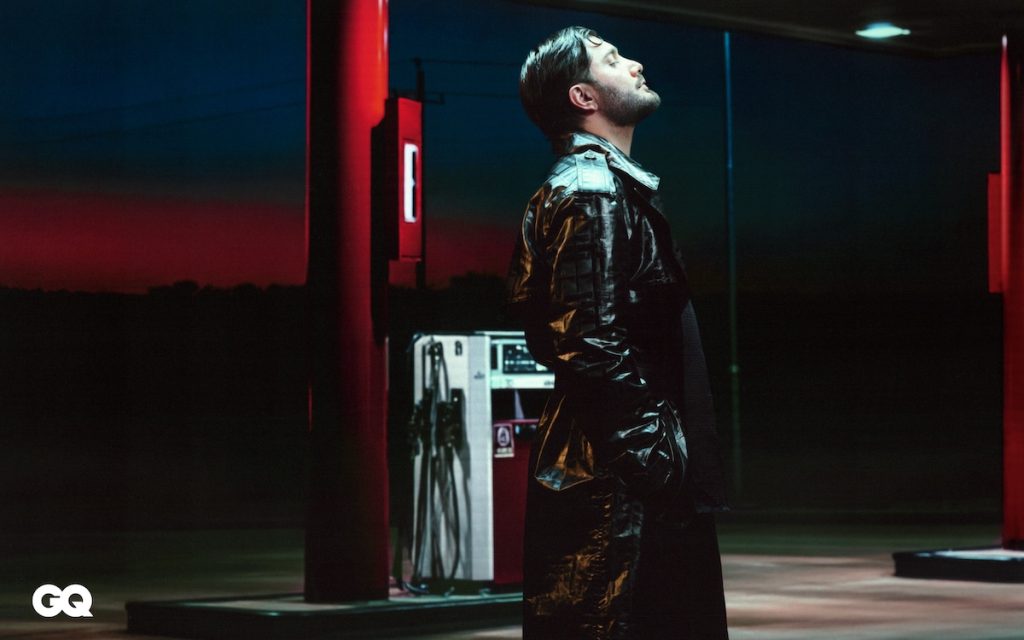
His latest chapter marks a deliberate shift into harder, more underground territory. In the studio, though, he frames this pivot as autobiographical rather than strategic. “Music is deeply personal to me,” he says. “You can always hear a little bit of what I’m going through in the tracks I’m making.”
Lately, life has delivered sharp contrasts. This past year, Alesso lost his grandfather and married his wife, Erin. Those two events — one devastating, one luminous — left him navigating what he calls “incredibly bittersweet emotions”. His recent single, Fight for Love, bottles that tension, which exists between gratitude, grief and the sudden realisation of how fast time moves. “Right now, I feel a lot of love and gratitude,” he reflects. “But at the same time, I’ve been thinking about how quickly life passes us by.”
It is the sound of an artist letting real complexity into his work. Alesso’s music has always been about emotional release, but that release now carries weight, rooted in the understanding that euphoria hits hardest when paired with vulnerability.
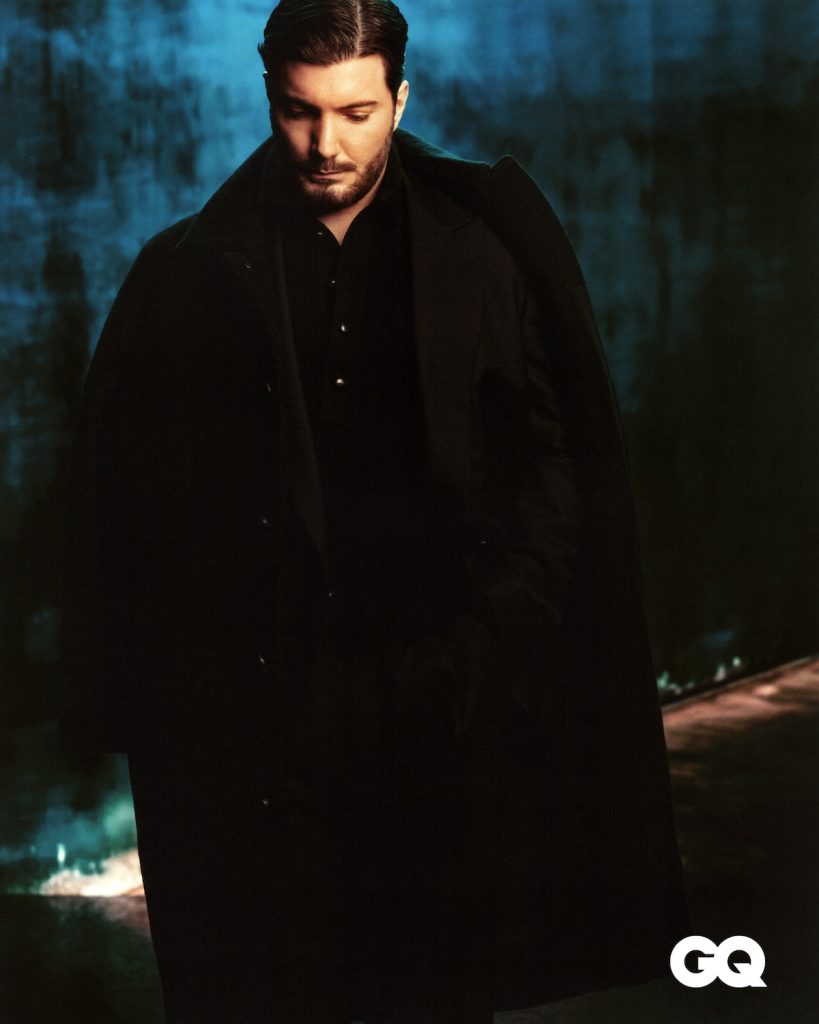
His project, The One, launched alongside his current touring concept, reflects a shifting electronic landscape. Audiences, he points out, are far more open to experimentation than they were a decade ago. His latest tour exceeded his own expectations, proving there is real appetite for something raw. “Five or 10 years ago, it was easy to get boxed into a specific sound,” he says. “Now, people care less about labels. They want to be entertained, they want good music and they’re ready to follow you wherever you take them.”
That creative freedom has become his compass. Operating at the top tier of a commercial genre can easily lead one to become formulaic, but Alesso seems fuelled by the prospect of shedding old definitions. He is not disowning the hits that made him — he just refuses to be trapped by them. If there is one boundary he strictly enforces, though, it is the boundary around stage presence. “If there’s one thing I’d love to see less of in dance music, it’s phones,” he says frankly. To Alesso, the entire experience rests on surrendering to the room, the crowd and the moment. Watching an audience view a set through a 4-inch screen misses the point entirely. “When everyone turns into a tripod, you lose connection — with the artist, with the people around you, and with the music,” he says. “The whole point is to feel free, have fun and disappear into the music for a few hours.”
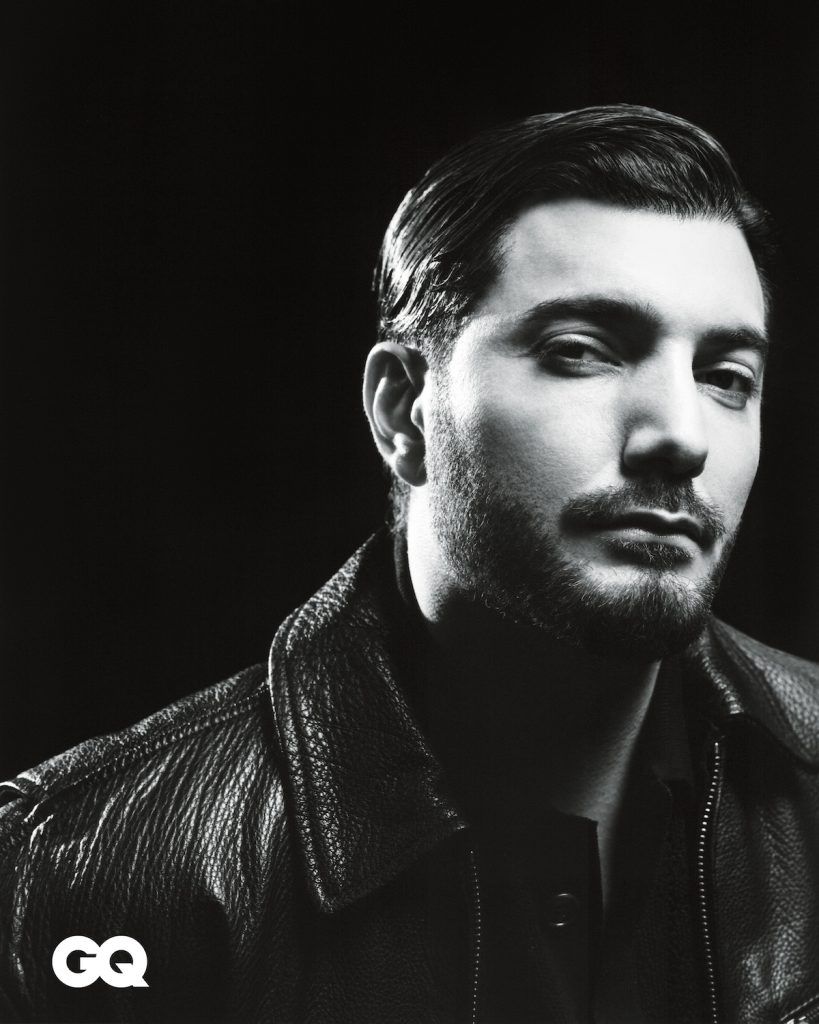
Coming from an artist whose career blew up during the social media age, this commitment to physical presence feels almost traditional. But Alesso is not anti-tech. He just knows the difference between documenting an experience and actually having one.
Offstage, that focus on being present has reshaped his private life. When he married Erin Cummins in Lake Como this year, the backdrop was postcard-perfect, but the highlight was entirely unscripted. “Seeing Erin in her gown for the first time is something I’ll never forget,” he says. “Watching her father walk her down the aisle and hand her over to me is a memory I’ll carry forever.”
The reception featured a rare late-night moment: his mentor, Sebastian Ingrosso, took the decks as a surprise, followed by Marshmello and Dillon Francis jumping in for an unannounced back-to-back-to-back set. Three superstar DJs behind the decks at a private wedding makes for a great headline, but the real takeaway was simpler: a man genuinely moved that his community showed up for him when it counted. “They all have massive individual careers and completely different styles, but they showed up for us,” Alesso says. “It was one of those things that could only happen right then and there.”
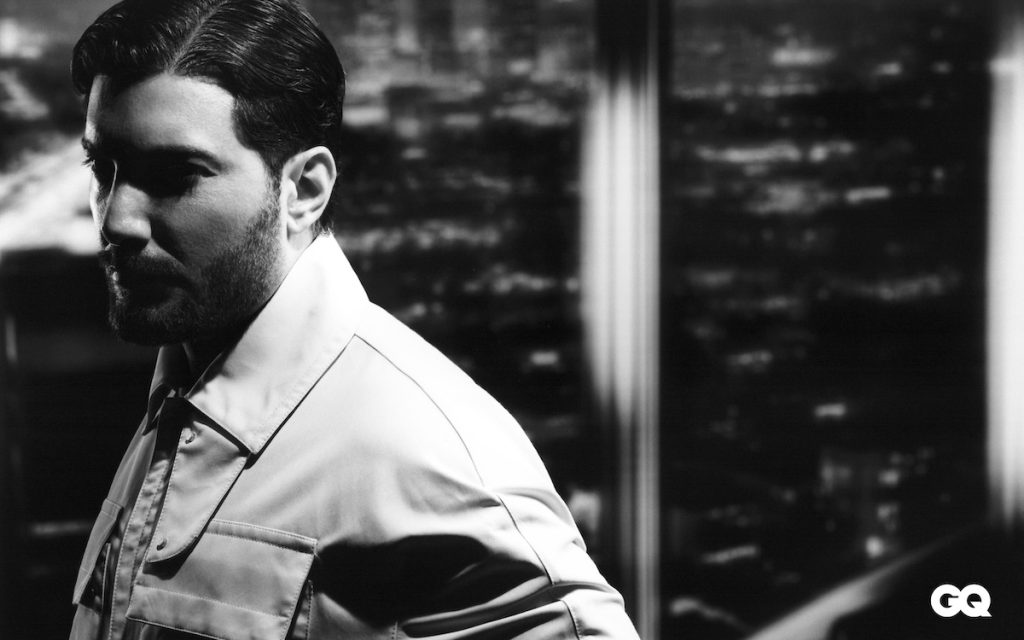
For an artist whose routine used to revolve around red-eye flights, clubs and afterparties, his daily ideal has become disarmingly simple. A perfect day begins with latte art. “I’m still learning and wildly inconsistent,” he laughs. “But if I manage to pour a decent heart or leaf in the milk foam, nothing can ruin my day.” There is a subtle charm in it: a guy who commands festival crowds of tens of thousands getting a kick out of a good morning coffee ritual.
If a decade at the top has taught Alesso anything, it is that the glamour is just the front-facing side of a massive operational effort. Staying at this level requires serious business discipline. “Being an artist means running an enterprise, and that carries real responsibility,” he says. He relies on his team, but stays firmly in the driver’s seat. “At the end of the day, it’s my vision and my name on the door.”
It is perhaps the clearest indicator of his evolution: knowing that success is not self-sustaining, nor is it guaranteed. “I never take any of this for granted,” he says. “This industry moves fast and things pivot overnight. When you’re busy and creating, you have to appreciate it.”
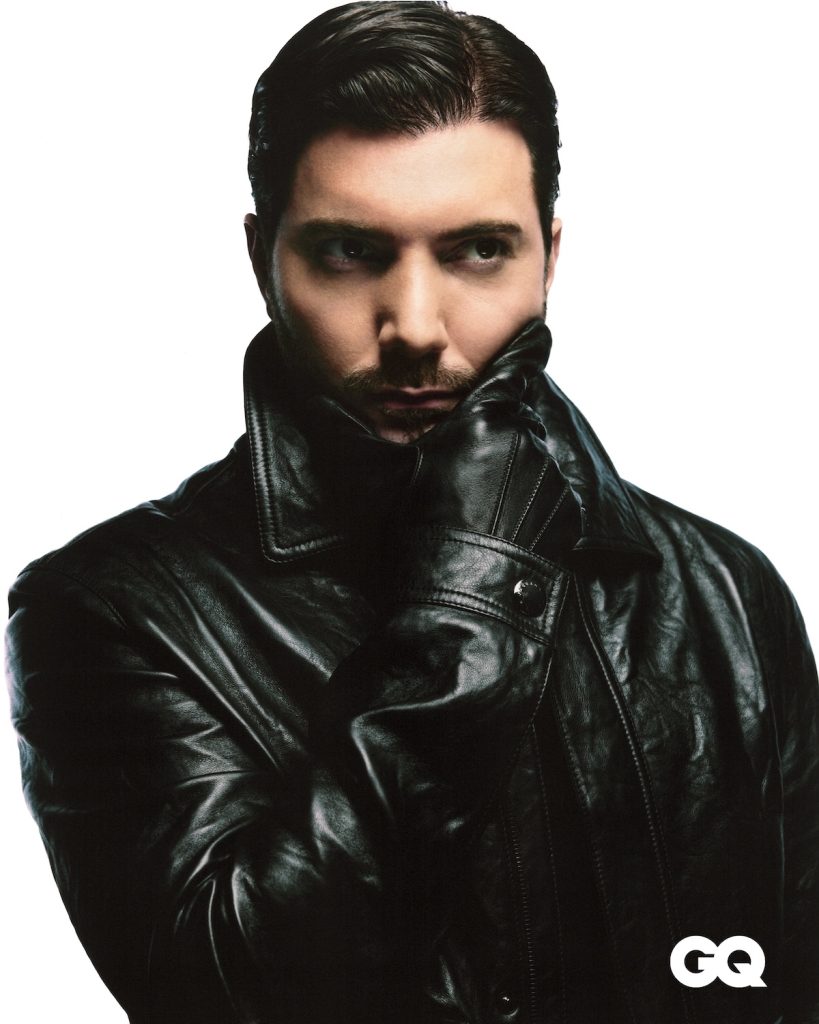
Jacket, shirt, belt, and trousers by Dolce & Gabbana. Glove, stylist’s own
Gratitude from Alesso feels earned. He has weathered enough industry shifts to know relevance requires effort, produced enough anthems to know nostalgia can become a trap, and played enough late nights to know that lasting peace requires something real to come home to. In 2026, Alesso is not abandoning the stage; he is sharpening the terms on which he stands there. He is no longer just chasing the drop. He is building a life around it.
Photography: Arseny Jabiev
Editorial Director: Jumius Wong
Creative and Style Direction: Jenine Oh
Creative Producer: Marina Fairfax
Lead Producer: Anya Panova
Stylist: Lisa Bae
Hair: Adrian Arredondo
On-Set Producer: Monica Lawless
1st Photo Assistant: Max Wilbur
2nd Photo Assistant: Gui Cha
Styling Assistant: Jeremy Markus