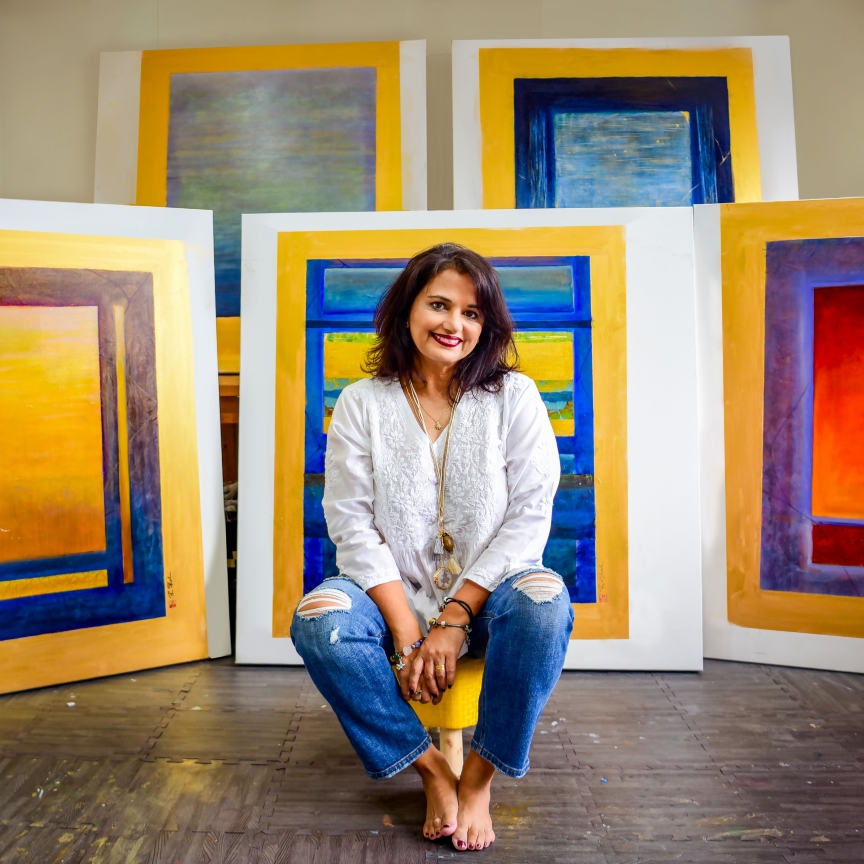
Rajul Shah on Making Her Mark on Singapore’s Art Scene
Artist and curator Rajul Shah is helping women artists build a stronger presence in Singapore through Canvas Connections.
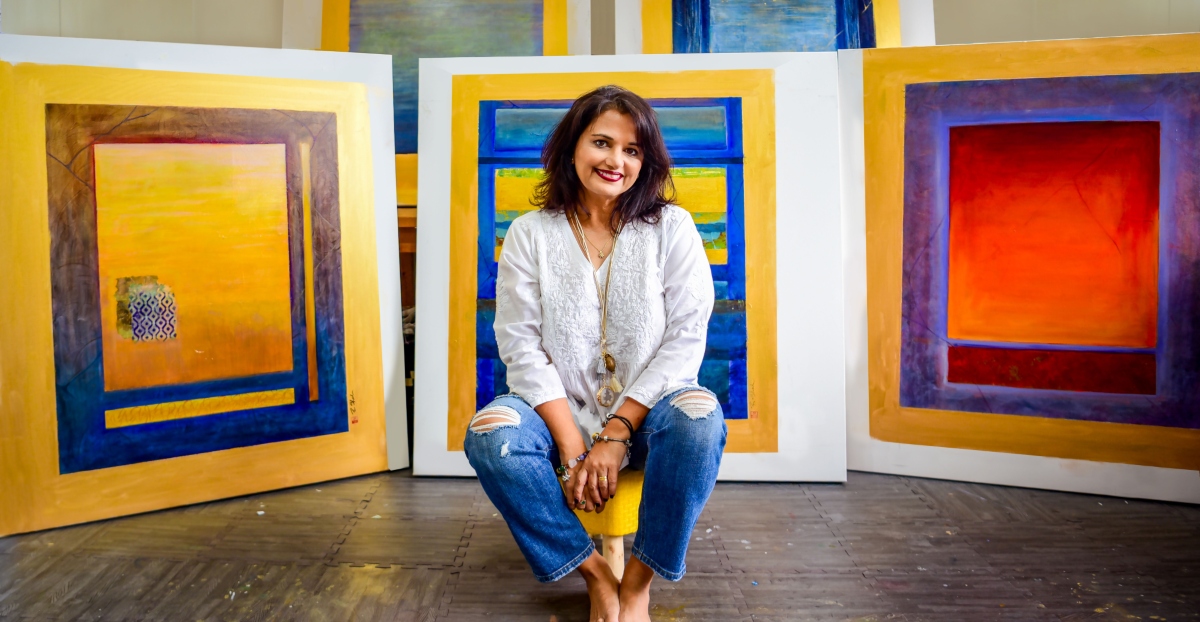
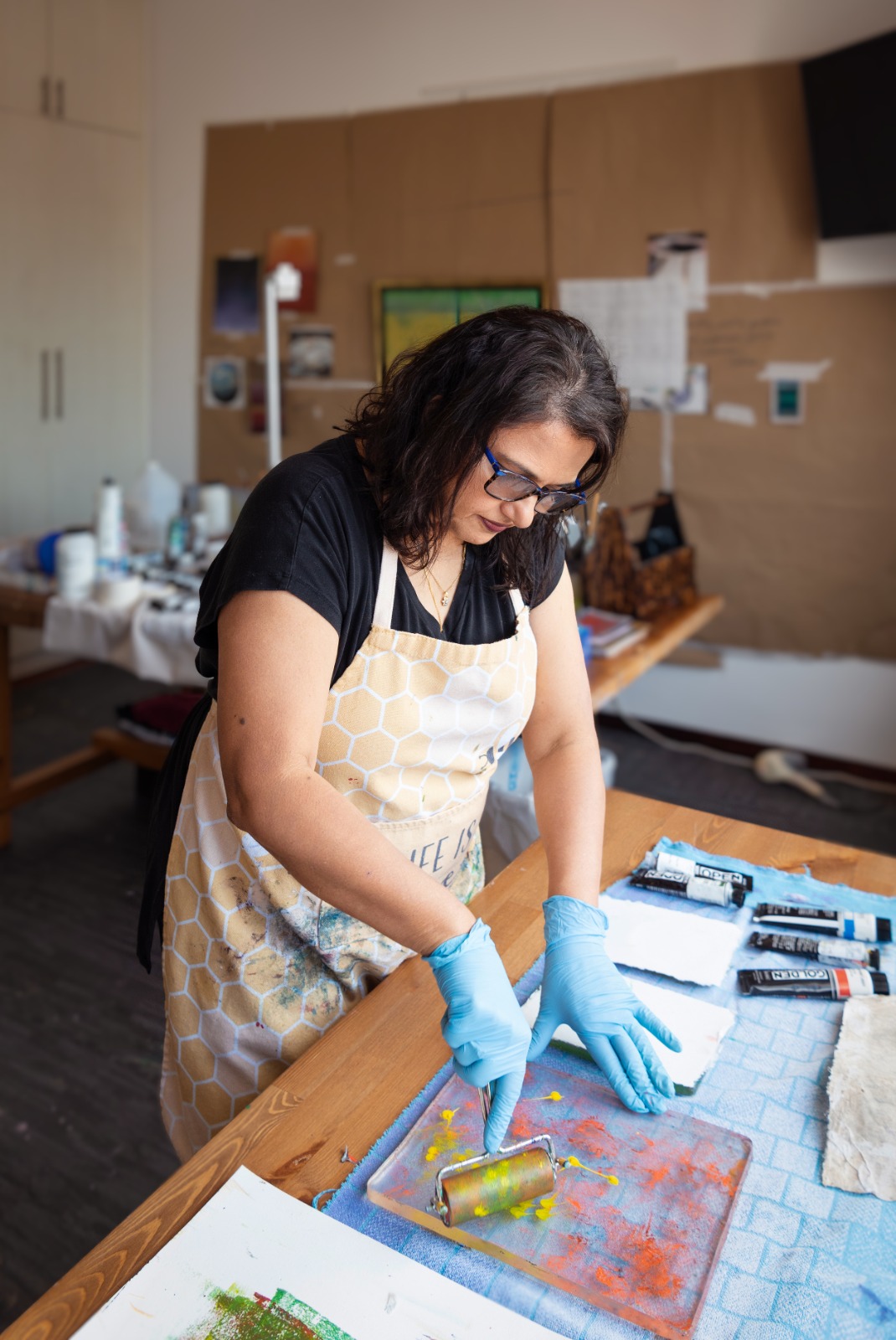
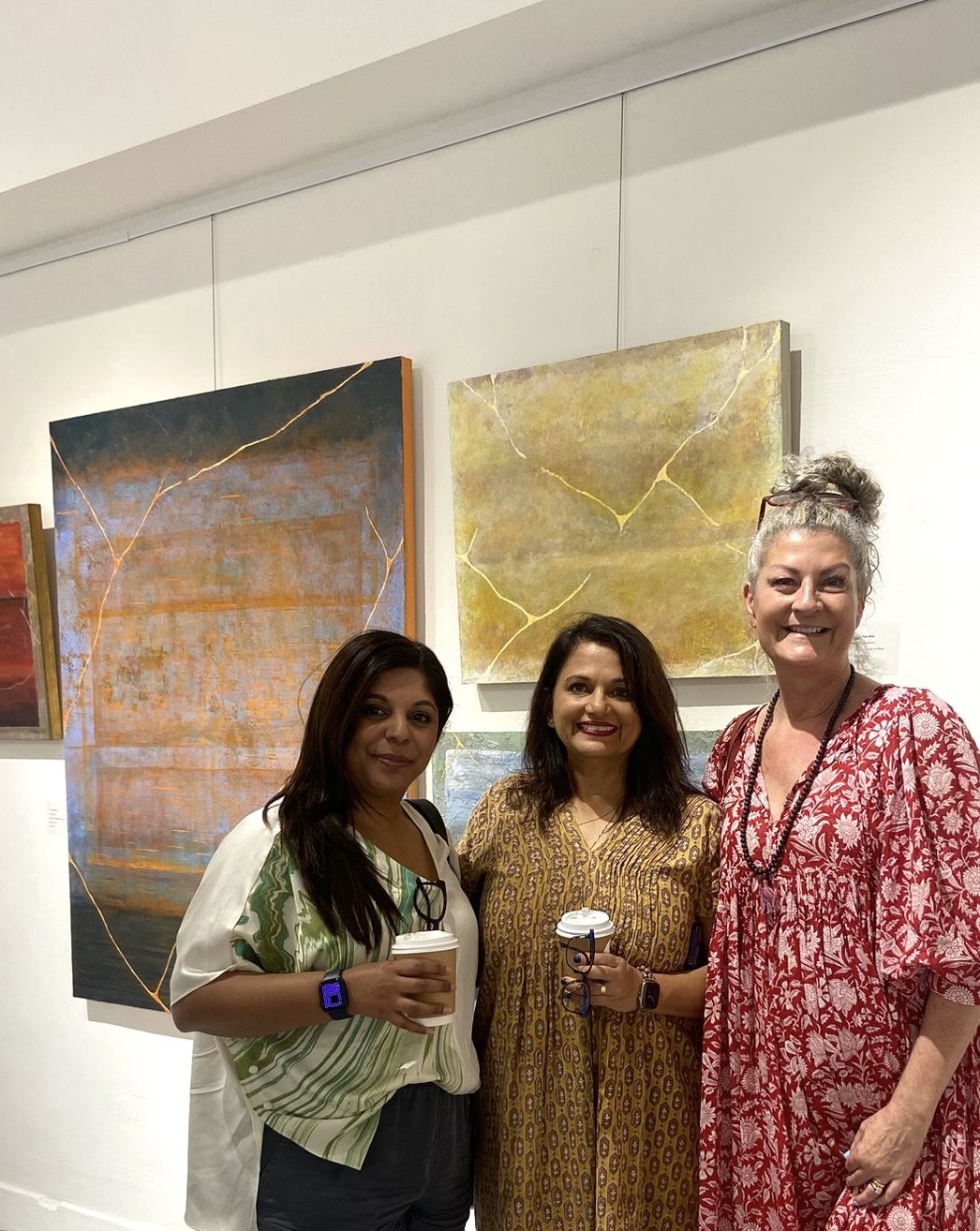
After spending 20 years in healthcare marketing, Rajul Shah began studying art upon moving to Japan in 2012, initially with an interest in photography before discovering a passion for painting. Her work has since been exhibited at several of Japan’s leading art institutions, with her practice shaped by the philosophy of Kintsugi, the Japanese art of repairing broken pottery, and its ideas of resilience, imperfection and renewal. After relocating to Singapore, she found herself navigating a new art scene and reconnecting with the creative community following the isolation of the pandemic. Alongside a group of women artists, she established Canvas Connections, a collective built on shared resources, collaboration and mutual support. Speaking to GQ Singapore, she discusses her unconventional route into the local art scene, the importance of creating opportunities for women artists and what Singapore could do to make its creative landscape more accessible.
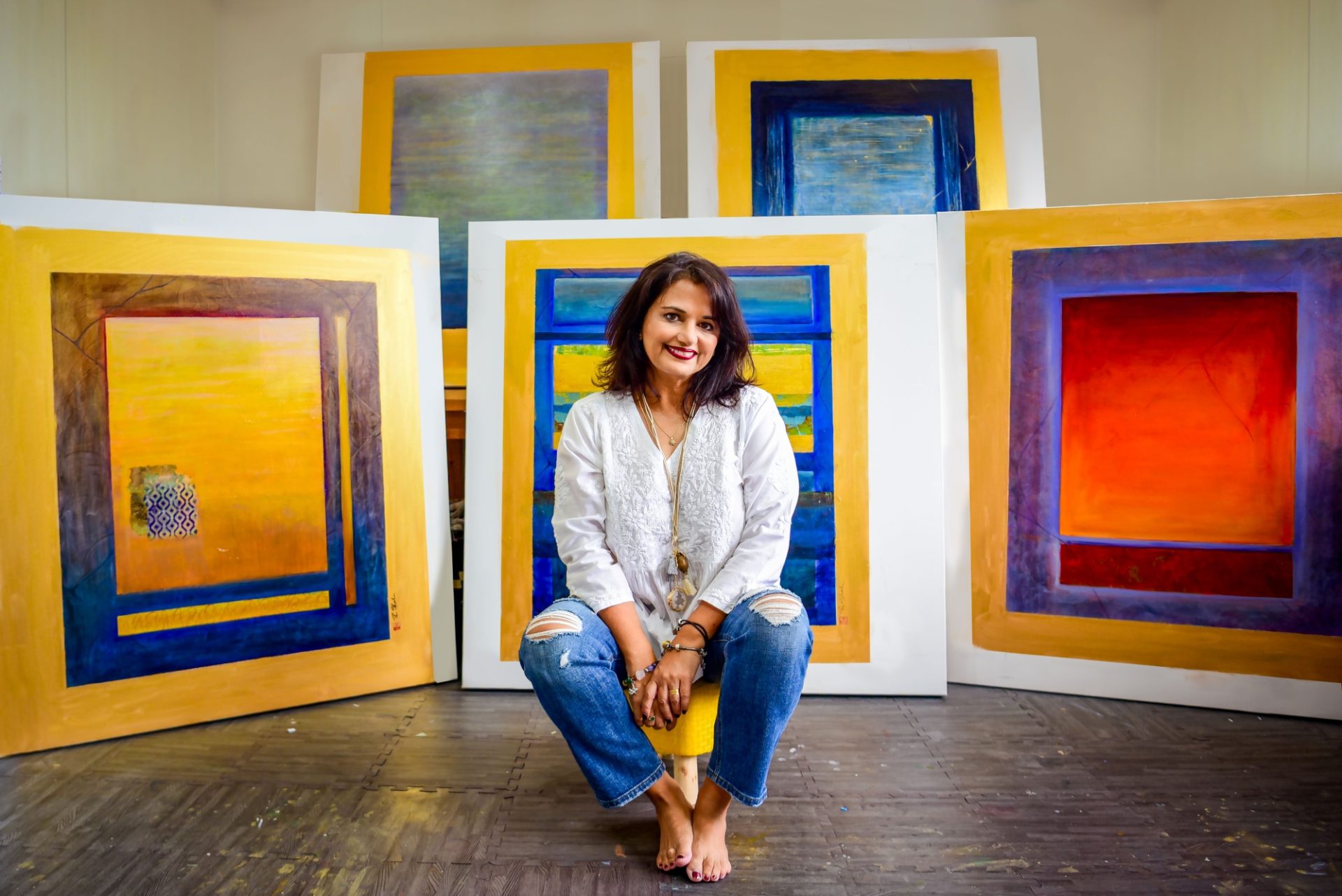
Could you tell us a little about your journey as an artist and curator, and what led you to where you are today?
I came into art after a 20 year career in healthcare marketing. Upon moving to Japan in 2012, I began to study art, thinking I would pursue photography as that was/is a hobby of mine growing up. I studied with local masters and took classes at the Tokyo Campus of Temple’s Tyler School of Art. I fell in love with painting. My first show was in 2016, my first juried acceptance into a national competition was in 2018 with the 82nd Annual Shinseisaku Exhibition at the National Art Gallery, followed by 2 more acceptances into the 49th Annual Gen-Youten Exhibition at the Tokyo Metropolitan Museum of Art and the 32nd Annual National Japanese Exhibition of Nature at the Ueno No Mori Art Museum. Since then, I’ve had the honor of receiving recognition from Artist’s Magazine, Art Seen Magazine, the Homien’s Art Prize and Harper’s Bazaar Singapore, among others.
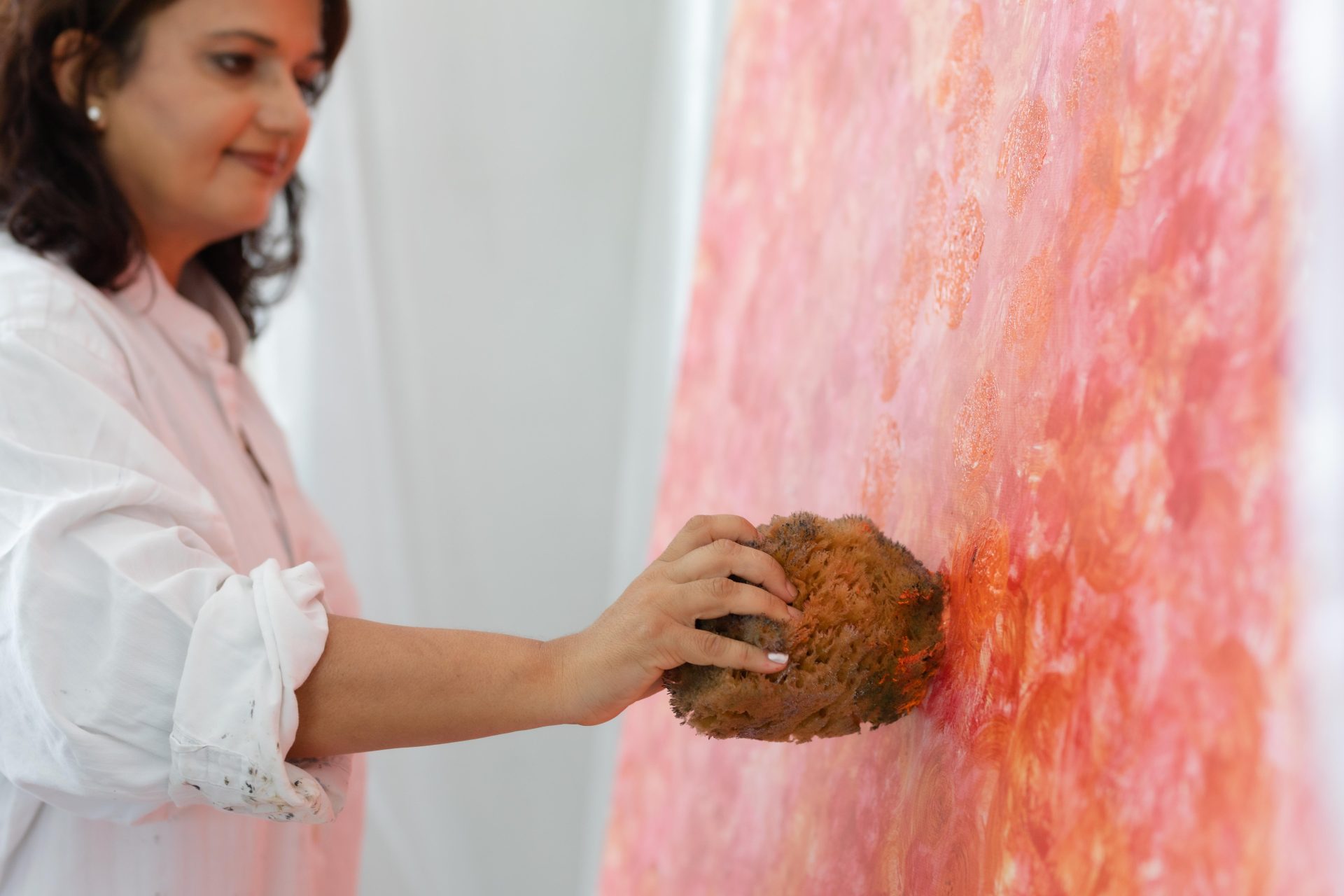
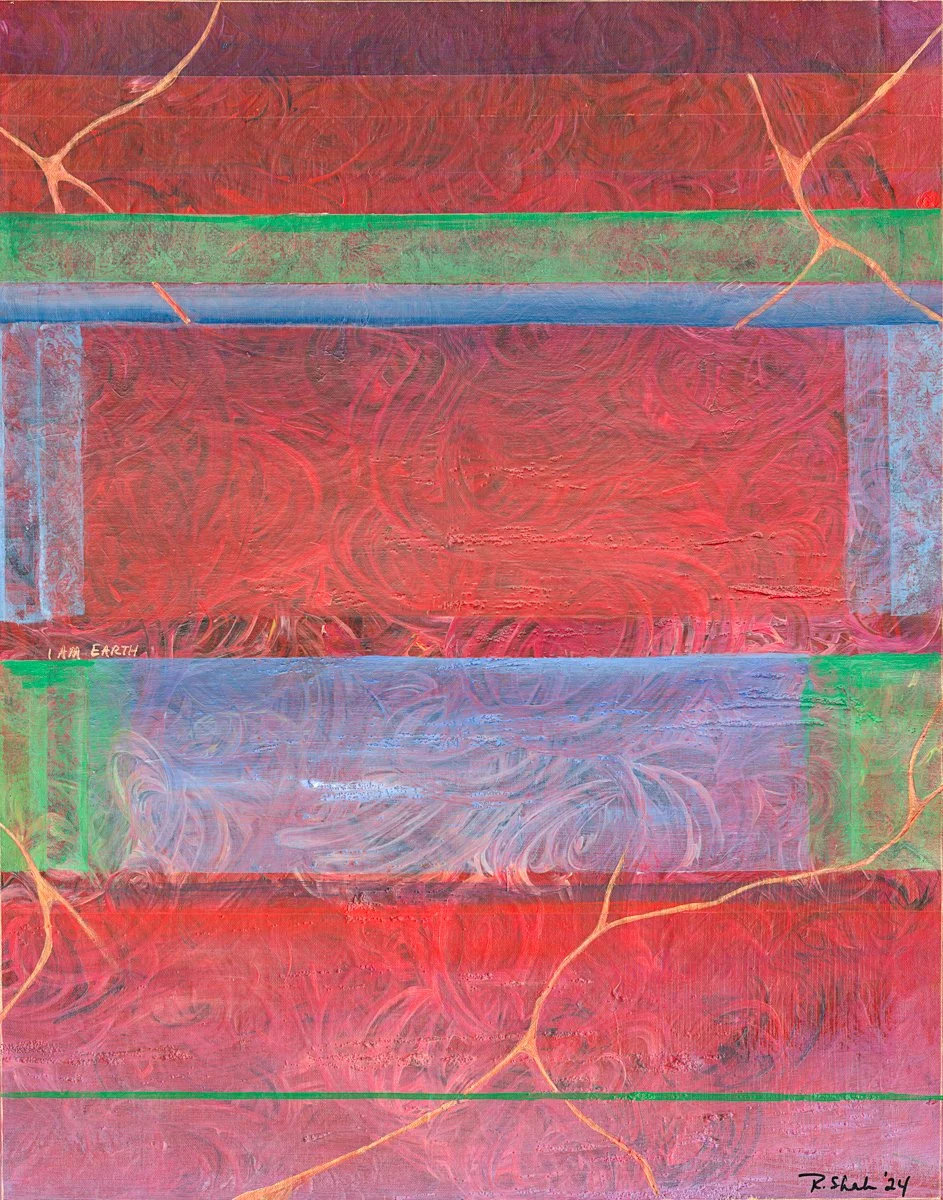
Coming to Singapore shortly before COVID, as I set up my studio, we hit quarantine. Like many other artists, I spent time in my studio and started focusing on the translation of the Japanese Art of Kintsugi into 2D artworks using acrylic, oil and other media. The philosophy of resilience as well as my Yoga practice started to infuse itself into my work as I watched the world respond to COVID.
My art has always been shaped by the richness of lived experiences. During this period, the philosophy of Kintsugi: finding beauty in imperfection and strength in repair, began to resonate more deeply with my own yoga practice and my observations of how the world was responding to the pandemic. Drawing on my many years working in healthcare, I found these influences converging with my lifelong aspiration towards healing.
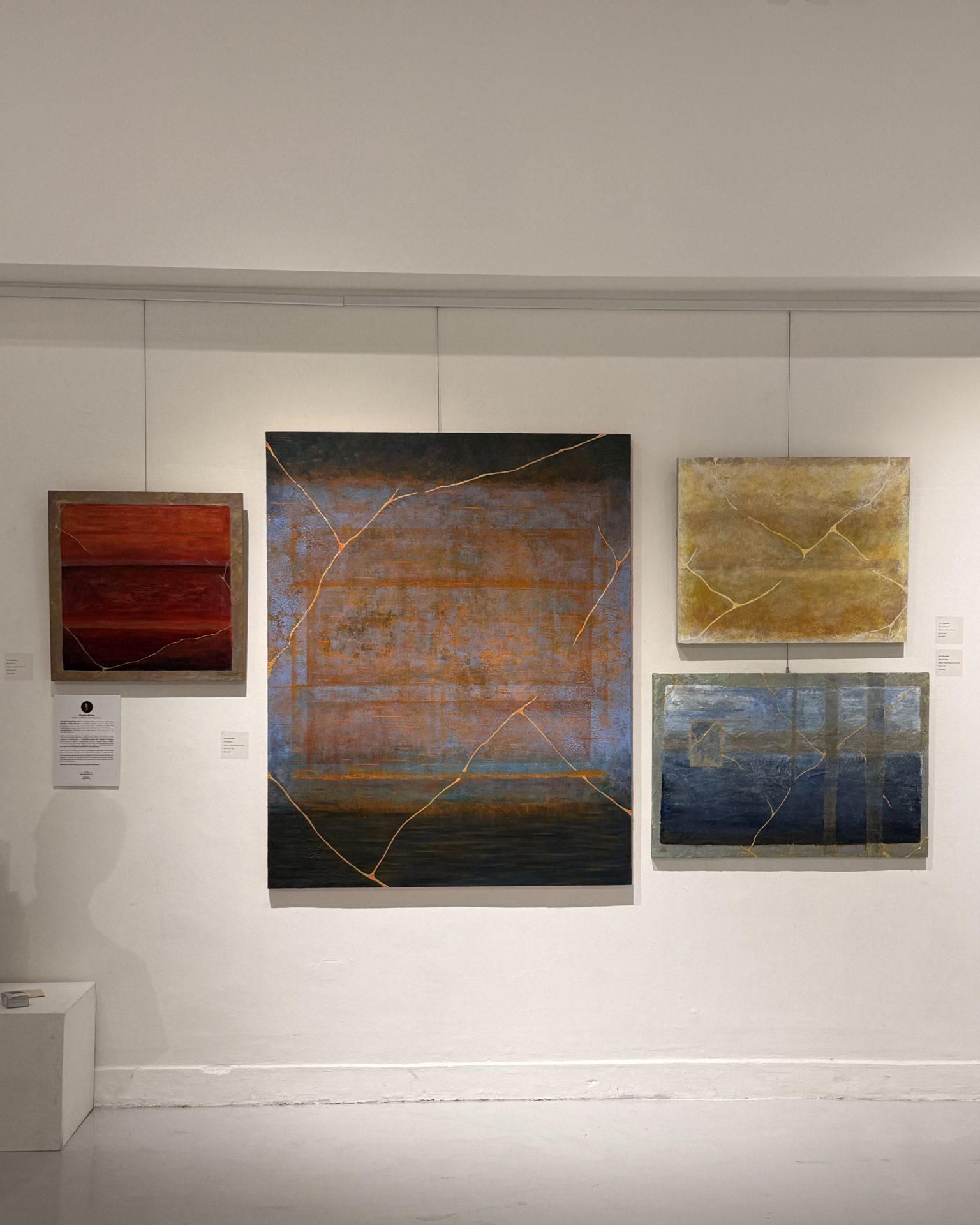
Today, my work is an expression of these accumulated experiences, bringing together art, resilience and the human capacity to heal. Through my use of colour, texture and the idea of repair, I hope to create works that offer a sense of peace and calm — spaces in which people can pause, reflect, recuperate and perhaps find their own sense of healing.
My relationship with art, however, goes beyond being an artist and curator. I have also been an art collector for about 25 years. When my family moved into a new home, I wanted to fill it with original artworks rather than mass-produced prints. I also wanted to support Indian artists and bring a sense of heritage into our home. Through the online platform Saffronart, I discovered that I could acquire original works I loved for around US$100–500. I couldn’t afford artists such as Raza, Husain or Souza, nor did I need to. What mattered was finding works within my budget that resonated emotionally with my family and me. Knowing that each piece was an original, rather than one of many reproductions, made our collection feel deeply personal. We’ve been fortunate as the value of the works have quadrupled; but it started with humble beginnings and we still enjoy living with these artworks every day.
That experience shaped my belief that collecting art need not be reserved for those with large budgets. It can begin with finding something that speaks to you and choosing to live with it. This personal connection to art continues to inform how I approach both my own practice and my work as a curator.
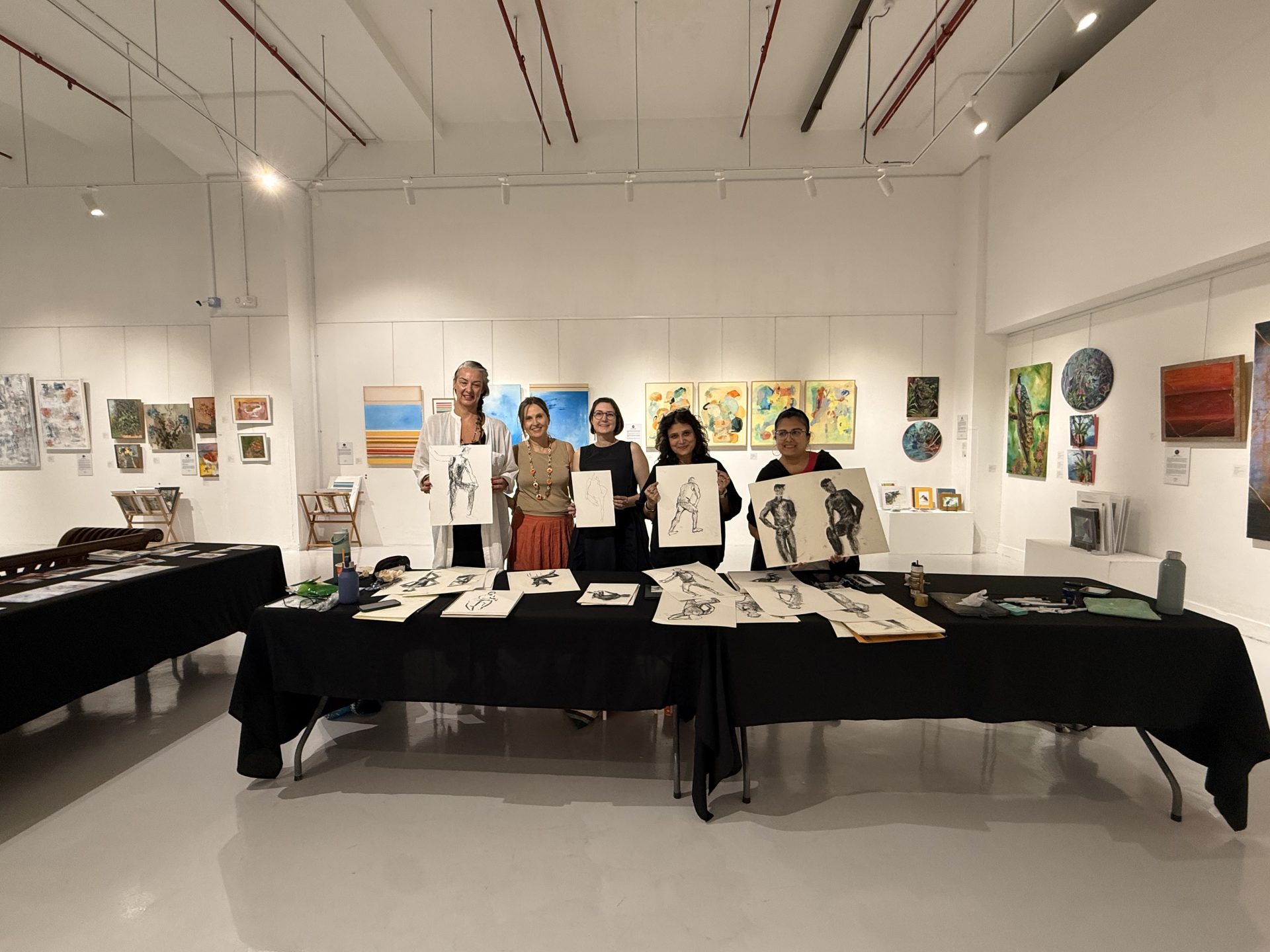
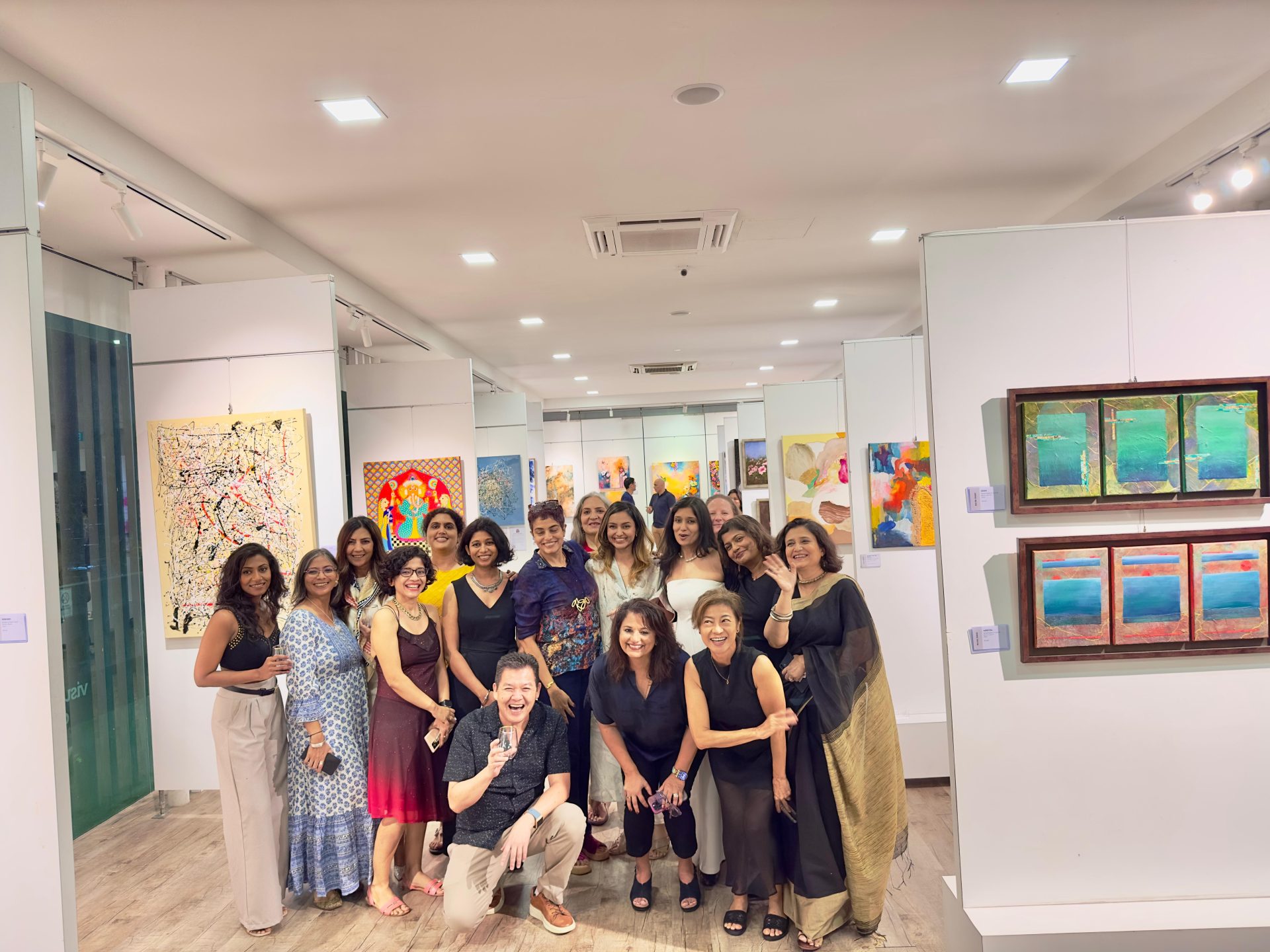
Coming out of COVID and its isolation, I finally began to meet local artists in Singapore and find my way around the local art scene. A group of us came together and decided to share in the economics of showing our work, and out of that initiative the Women’s Art Collective, Canvas Connections came to exist. As I had also been part of a small art collective in Tokyo and had been curating small shows in Tokyo as part of a Women’s Group, I continued to “learn on the job” as we curated our shows in Singapore.
How important have friendships, personal connections and artist communities been in helping artists build and sustain their careers in Singapore?
Having been part of an art collective during my time in Tokyo, there is much value in having a community of artists around you. Friendships, connections, networking and being part of a larger artist community are essential to any artist. While Canvas Connections initially came together due to a practical need to share the costs of exhibiting, it grew into a meaningful sisterhood. The importance of having people who understand the challenges of working alone, who understand what it means to be a working mom and can offer encouragement, feedback and collaboration on opportunities is exhilarating.
This is similar to having colleagues in a corporate workplace, artists need artists, curators and industry colleagues. Networking is crucial. Going “outside” and to socialize in creative circles is necessary for our health and well-being. It is also essential for our professional development in terms of creativity and best practices in business. We try to attend other artist’s exhibitions and learn from each other.
What can an artist collective, independent or alternative space offer that more traditional art spaces might not be able to?
A collective offers a consistent formal structure with a shared mission. We show together, take on projects together and share in the economics and resources to achieve our goals as a group of professional women artists. We show in traditional and non-traditional venues to showcase our art to the art aficionados and collectors. We support each other in terms of new learnings, sharing new or emerging techniques, ideas and inspiration. It is a supportive, not competitive, environment.
It is also easier to develop a platform for collaboration as we have a diverse group of artists who create across different genres and media.
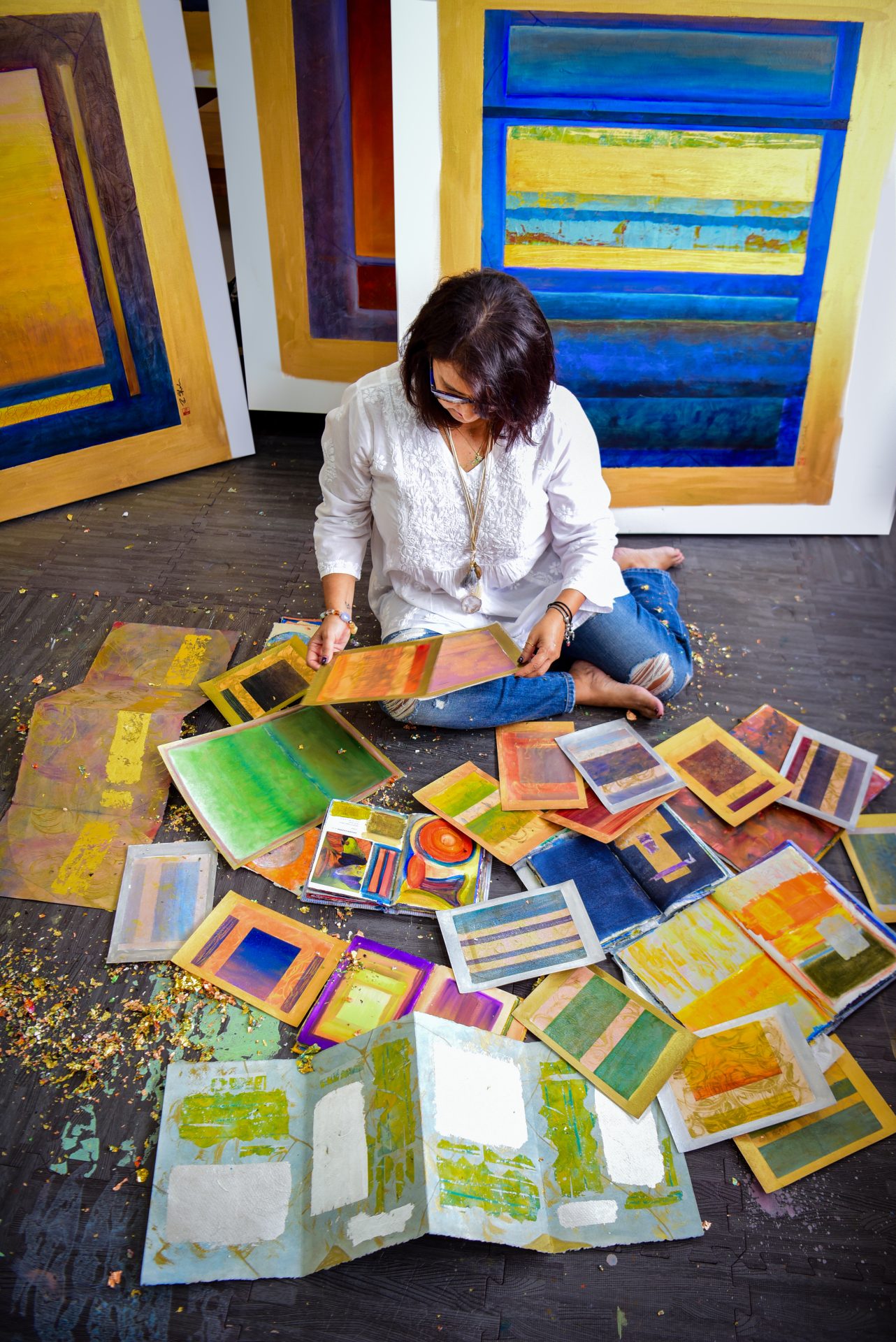
What has working with other artists taught you that has changed the way you approach your own work?
My creative process has evolved many times, in part due to the inspiration I receive from the artists around me, watching them work, create and seeing their artworks on social media or in an exhibition. The diversity of artistic perspectives and the supportive, rather than competitive, environment enables different ideas and brainstorming on strategy. Envisioning our goals for the future allows for ideas to ferment and crystalize ideas into experimentation. Sometimes these ideas become projects, sometimes they are tucked away in a journal for future possibilities.
Over time, I have come to appreciate how art offers something beyond the act of creating or viewing. It gives us an opportunity to step away from the demands of daily life, even briefly, and allow our minds to focus on something entirely different. As both an artist and a curator, I am conscious of this whenever I create or bring an exhibition together. I want the experience to offer visitors more than an encounter with artworks; I want it to provide a moment of pause, a change of perspective, or perhaps simply the lovely afternoon they didn’t realise they needed.
This belief is closely intertwined with my own artwork. The process of creating offers me that same respite: a space to detach from everyday concerns, explore ideas and reconnect with myself. In turn, I hope my work offers viewers and collectors a similar experience: an invitation to slow down, reflect and find a little space of their own.
As both an artist and a curator, how has your own experience shaped the way you create opportunities for other artists?
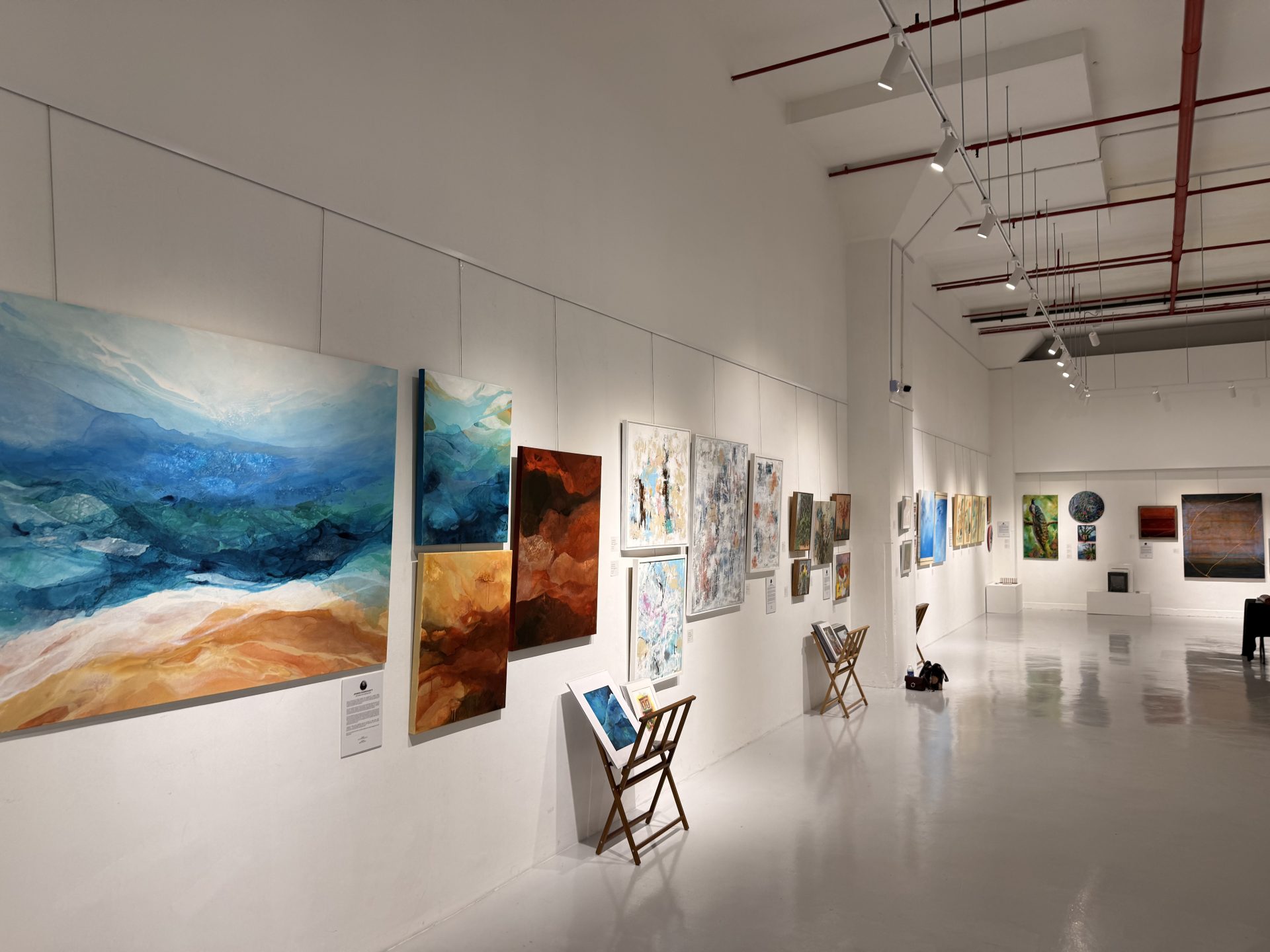
As an artist who wants her work to be admired and coveted; I think about what elements of an exhibition, an interaction or a project would be important for me to achieve my goals.
I make sure these very same elements exist in a project for each artist in the collective. For example; when my work is shown I would want to put up multiple pieces in a cohesive presentation so anyone viewing my work would get a good idea of my oeuvre and be able to understand the concepts I bring forth. I want visitors to be able to view my work while minimizing other types of artworks in their peripheral vision – allowing focused attention on my pieces. The group of artworks I display should be thematic and be visually comfortable for the viewer’s eye to move from one piece to the other.
When we exhibit together as a collective, we make sure to search for a venue that gives at least 2 meters of linear space to each artist so her work can be viewed effectively.
As it is important for me to have agency in my artwork and opportunities, when we pursue or accept a collaboration, the decision is made as a group and each artist can respectfully opt out.
Finally, when a collaboration or project is completed, we always do a “post-mortem” to understand what went well and what could have gone better. This opinion can differ for each artist, so it is important that all voices are heard so we can brainstorm on elements we hope to see in future projects or collaborations.
For women artists in particular, what are some of the challenges that still exist within the art world?
Recognition for women in the art world, overall, can improve. We are only now “discovering” historical contributions of unrecognized women artists, like Berthe Marisol and Hilma of Klint. I would like to see this trajectory continue exponentially as I believe at least half of the artists, accomplishments, art movements that we recognize today did, in fact, include women who contributed significantly.
I also believe the art world is beginning to recognise the potential of artists over the age of 50, whose creative journeys may unfold in a second or even third act. My own art practice is very much a second act, shaped by a lifetime of lived experiences, including my years in healthcare, my yoga practice, and my experiences as a woman, a daughter, sister, wife and mother. These experiences have given me a perspective that I now bring to my work in ways that may not have been possible earlier in my life.
I believe women bring a particular depth to their art through the many roles they inhabit and the relationships they nurture throughout their lives. Our experiences are not the same as men’s, and I think those differences can give rise to distinct ways of seeing, interpreting and expressing the world. There is something powerful about reaching a stage in life where these experiences can come together in your work, not as separate chapters, but as a richer, more nuanced artistic voice. For me, this second act is not about starting over; it is about drawing on everything I have lived, learned and experienced to create work with greater meaning and an enduring aspiration towards healing.
Do you think artists in Singapore have enough room to experiment and take risks?
I can only answer this from my perspective. When I first arrived in Singapore and began exploring the local art scene, including galleries and competitions such as the UOB Painting of the Year, I realised that some opportunities had specific eligibility requirements. For example, UOB Painting of the Year is open to Singapore citizens and permanent residents, which means that artists living here without either status cannot participate.
Having lived in Japan, where I was able to enter national art exhibitions and competitions as a foreign artist, I found this difference quite striking. I do think it is worth considering how more opportunities could be created for artists from different backgrounds, including those who have chosen to make Singapore their home.
I know quite a few Singaporeans who have been accepted into exhibitions at the Tokyo Metropolitan Museum in Tokyo. It is encouraging to see artists crossing borders and finding opportunities to show their work internationally. I would love to see that kind of exchange continue in both directions
What does it really mean to create opportunities specifically for women artists, beyond simply giving them a space to exhibit?
First and foremost, women artists need to be taken seriously. There are misperceptions that many women artists are housewives who are hobbyists rather than professionals who are committed to their practice, or not serious about motherhood because they create artwork.
No one asks a man if he’s a house-husband and if his art career or other career interferes with his role as a husband, father, brother, son or grandfather.
Unfortunately, this attitude is not individual to the art industry, and it is not limited to just Singapore.
Still, it is part of the reason we started Canvas Connections, as we need a supportive community who respects our individual contributions and helps us to gain visibility. Furthermore, it is about creating an environment where we can grow together without having to prove that we deserve to be there in the first place.
Have there been moments in your career when you have had to rethink what it means to be a curator?
At times I have thought about it – it is a lot of work to “curate”. When you’re thinking of the overall show and the elements that are necessary to create a successful show with specific objectives, not all artists will be happy with how their work is arranged or accepted for curation. At my core, I am a “people pleaser” and want everyone to be happy. I do shy away from conflict, so learning to navigate those situations has been part of the process for me.
It is part of a curator’s job to look at the bigger picture – so that is what I do. You have to make decisions that serve the exhibition as a whole, even when those decisions may not please everyone. At the end of the day, you want to generate interest and get people in the door to see the show and create conditions for those connections to happen – that’s the only way they will meet and see an individual artist’s work.
Is there anything you’d change about the way the art world works in Singapore so that it can be more open and supportive for artists?
I wish there were more designated “art districts” like Tanjong District Park where artists can rent spaces to create, collaborate and show their work on a consistent basis. There is Gillman Barracks and Goodman Arts Center – but they seem off the beaten track and not easily accessible for tourists, visitors or art aficionados that would like to learn about art and the art of collecting.
Having designated low-cost spaces could enable the implementation of “Art Walks” that showcase local talent of all residents, including non-PR and non-Singaporean artists who live in Singapore.
I also believe there could be more avenues for professional artist collectives to gain visibility within Singapore’s wider art ecosystem. Organisations such as Canvas Connections provide opportunities for artists to exhibit together, exchange unconventional ideas and build a community. Still, collectives may not always fit into the existing structures through which artists and galleries gain recognition, especially notable organisations like the Affordable Art Fair and Art Galleries Association Singapore . It would be valuable to have platforms that recognise and support these collaborative models alongside individual artists and established galleries.
This would also allow local and international gallerists to anonymously and freely explore local talents, meet and talk with individual artists.
From a creative perspective, exposure to all types of artworks, and creative processes helps give artists a huge opportunity to learn and gain inspiration from one another. Personally, I have benefitted greatly from observing how other artists use color, shape, create forms and use different materials in their own pieces. These inspirations have informed my own creative processes and experimentation.
Overall, I believe this would lift the market here in Singapore, as it has in so many other towns and cities.
What do you think young and emerging independent artists in Singapore need most right now — and what do you hope the art community can do for them?
As noted above, affordable venues where artists can gather, share, collaborate and show their work would be immensely helpful. Often, showing your work as part of a group exhibition can cost between $300 and $800 SGD for a space of 1 to 2 linear meters.
Artworks are not perceived as a necessity, but a luxury. This makes it difficult to sell a piece of work in one show and recover your costs overall. The business proposition is not a “win” for the artist.
The economics of being an artist are difficult. Finding a market for your art is also difficult. Artists need mentorship and guidance in terms of “running their own business”. This is not something that is actively taught in art school. It would be helpful to have guidance regarding marketing, pricing and how to build relationships with galleries and collectors. .
Beyond cultivating a segment of art aficionados who would like to become collectors, just as importantly, we need to cultivate a wider culture of art appreciation and collecting. People don’t have to start by buying expensive works; they can begin by discovering artists whose work resonates with them and collecting within their means.
Ultimately, I would love to see more people move from simply appreciating art to feeling that owning an original artwork is something they can aspire to. Building that connection between artists and collectors would benefit the entire art community and give more artists the opportunity to sustain their practice over the long term.