In the Driving Seat: Audi’s Massimo Frascella on the Brand’s Future
What sets a brand like Audi apart in an increasingly competitive automotive market? Audi’s Chief Creative Officer Massimo Frascella discusses the ideas driving its future.
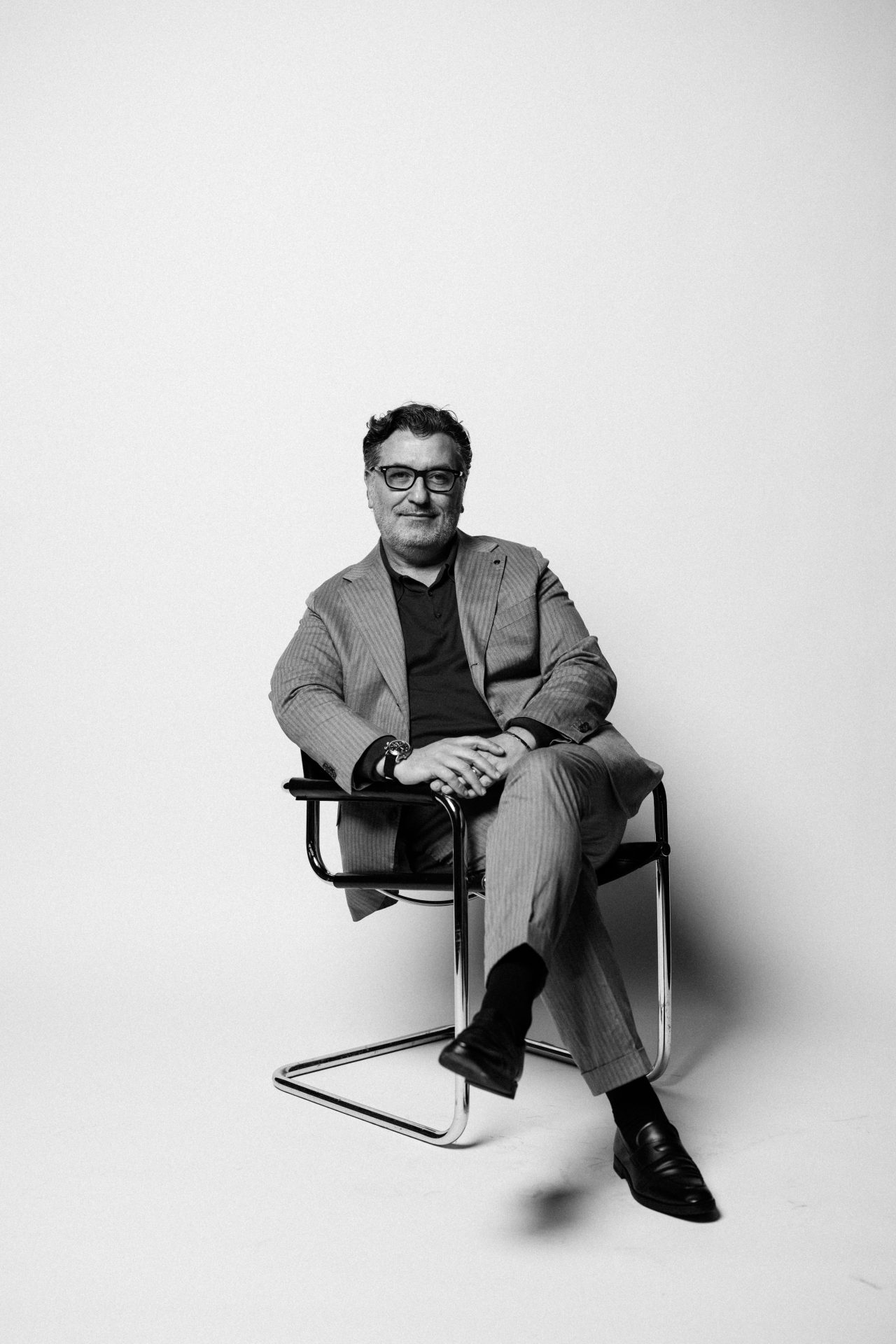
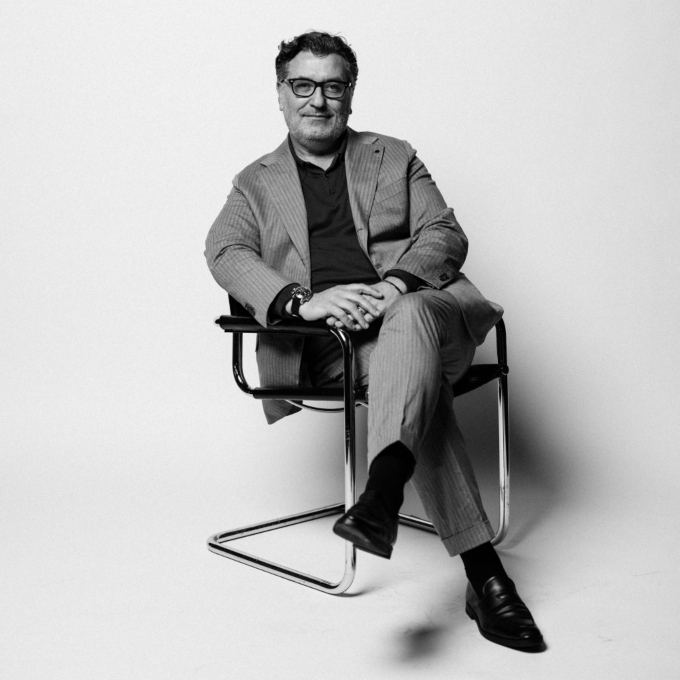
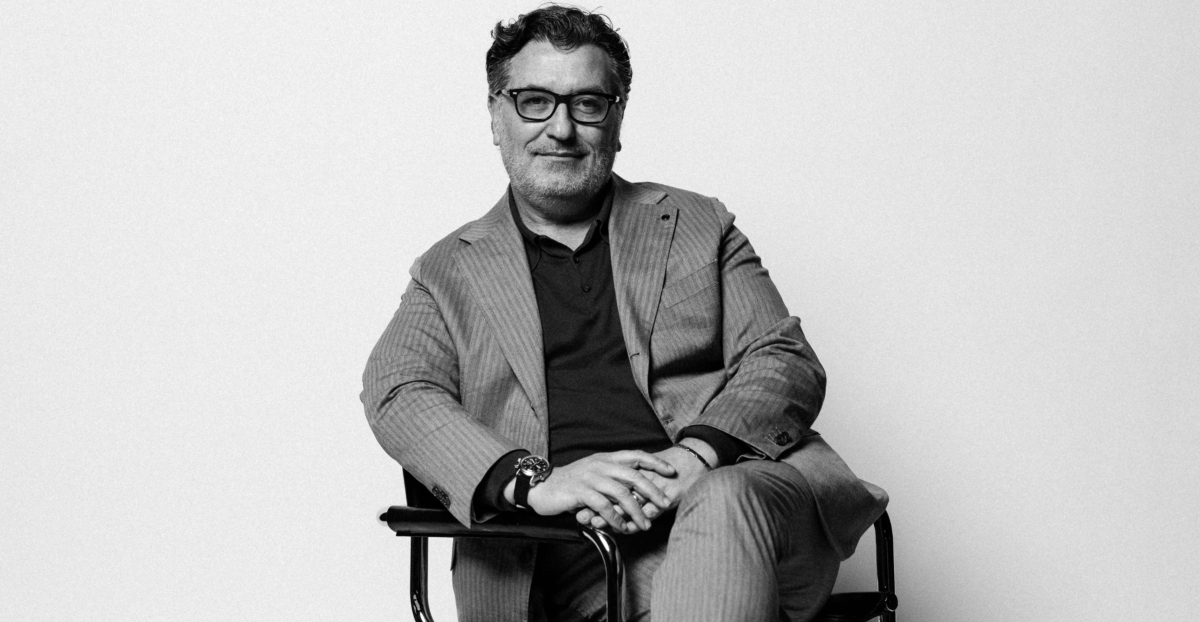
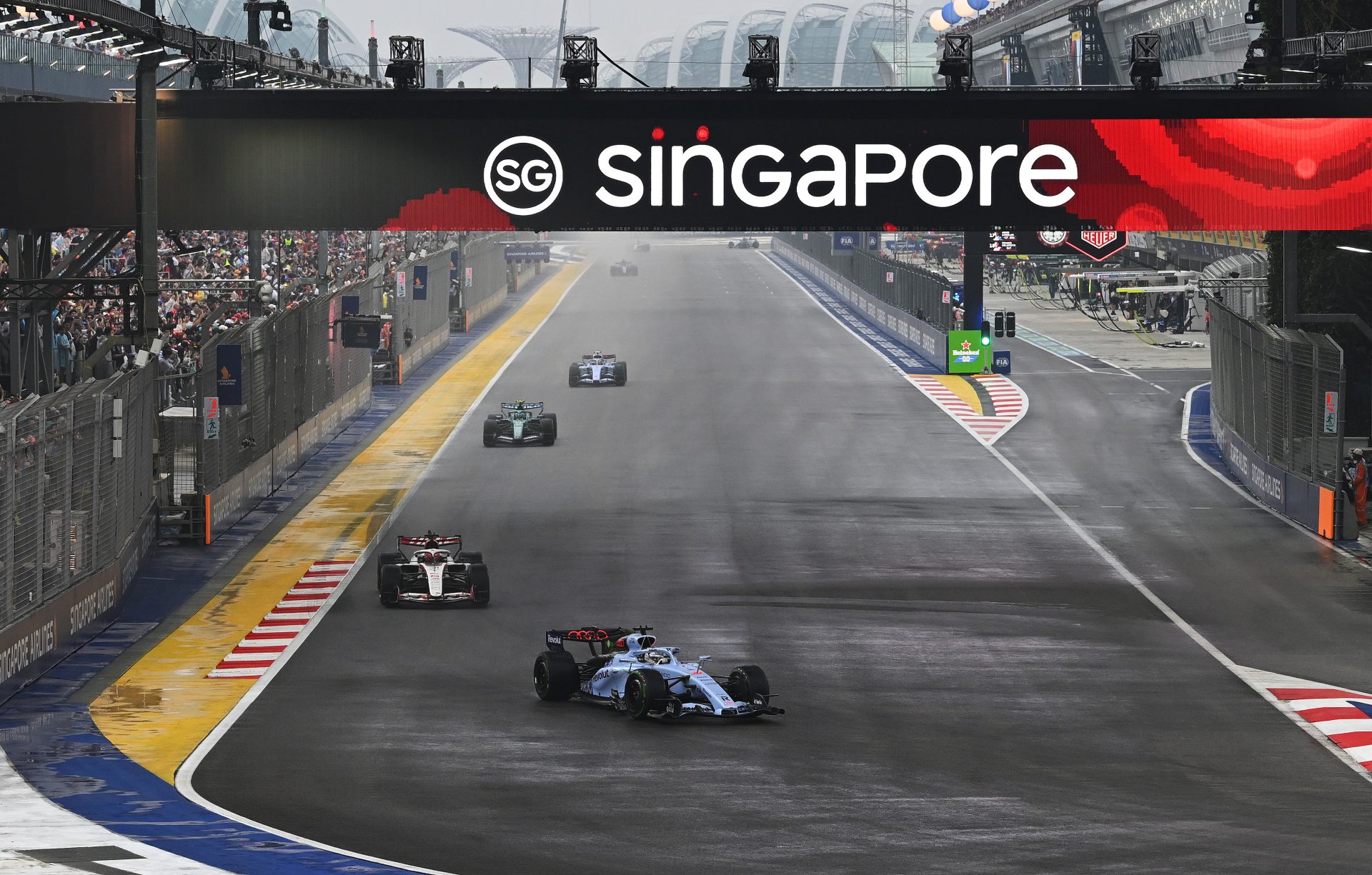
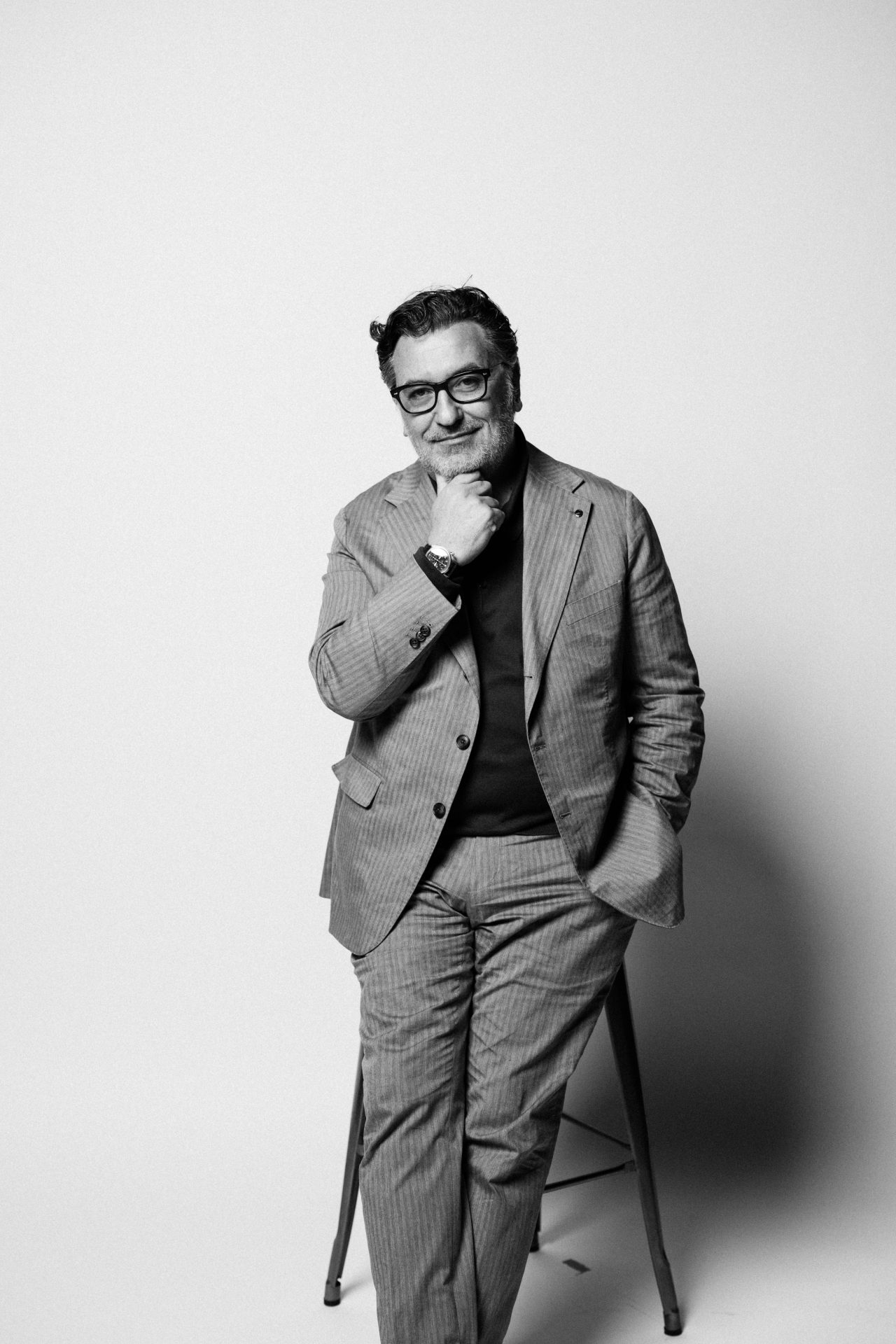
For Audi, its entry into Formula 1 is an opportunity to express the German automotive manufacturer’s evolving identity on a global stage. At the centre of this transformation is Massimo Frascella, chief creative officer of Audi AG, whose design philosophy, The Radical Next, is intended to shape how the brand looks, feels and connects with its audience across every touchpoint. Speaking to GQ Singapore at the Audi Revolut F1 Team’s trackside motorhome during the 2026 Singapore Grand Prix, Frascella discusses the thinking behind Audi’s new design direction, the importance of creating a recognisable identity and how innovation and catering to consumer’s needs and emotions inform his approach. He also shares his thoughts on the growing role of sustainability and artificial intelligence in design, and why the human element remains essential to creating meaningful products and experiences.
Is it more challenging to be at the helm of an established design team and evolve an existing visual identity, or to build one from the ground up?
There are different challenges. I think it is probably easier to create change when there is already a foundation. What is important is understanding the principles you can work with to drive that transformation. That is essentially what we have done at Audi. We are changing a great deal, but the transformation is still based on the principles and values that have always been there. We want to be courageous, take risks, be distinctive and have a strong sense of personality. It is a change in mindset, but it is also rooted in the values Audi has always stood for. Any transformation is challenging, but having an established foundation gives you something to build upon. Starting from scratch might seem easier, but it also involves taking bigger risks because you have no existing framework to guide the process.
As Audi looks towards the future, what are the defining qualities of the brand that you feel are essential to preserve?
I would go back to the idea of being daring. I have always seen Audi as a brand that is willing to do things with absolute confidence, without trying to be anyone else. To me, that is a great story and an important value to remember, particularly when there is so much saturation in the market. It is important to have the confidence to do things your own way.
How did you develop Audi’s new design philosophy, “The Radical Next”? How much of it is a design vision and how much is a marketing exercise?
When I first started at Audi, we had a lot of conversations within the design team about what Audi represents. We wanted to create a manifesto for the entire design team, followed by four principles that would guide everything we do. This applies not only to the products but also to our premises and the wider brand experience. It is not a marketing exercise. It is a set of principles that helps guide the decisions we make across design and the company as a whole.
We recognised that Audi has been at its best whenever it has been daring and courageous. Its most successful moments have often come when it has done things its own way, without looking at what everyone else is doing. From that manifesto, we established a mindset and attitude for the organisation. There are statements such as ‘Probe at the edges of possibility’ and ‘Enjoy the uncomfortable process’. These are part of the qualities and messages we want to embrace.
The four principles that emerged are clarity, technicality, intelligence and emotion. Together, they form a design philosophy and an attitude that guide our work. It is also important that design does not operate in isolation. This philosophy needs to apply across every department because creativity is not limited to designing a car. It also influences how we approach the market and how we run the business.
How does Audi’s design philosophy translate into the visual language of its Formula 1 car?
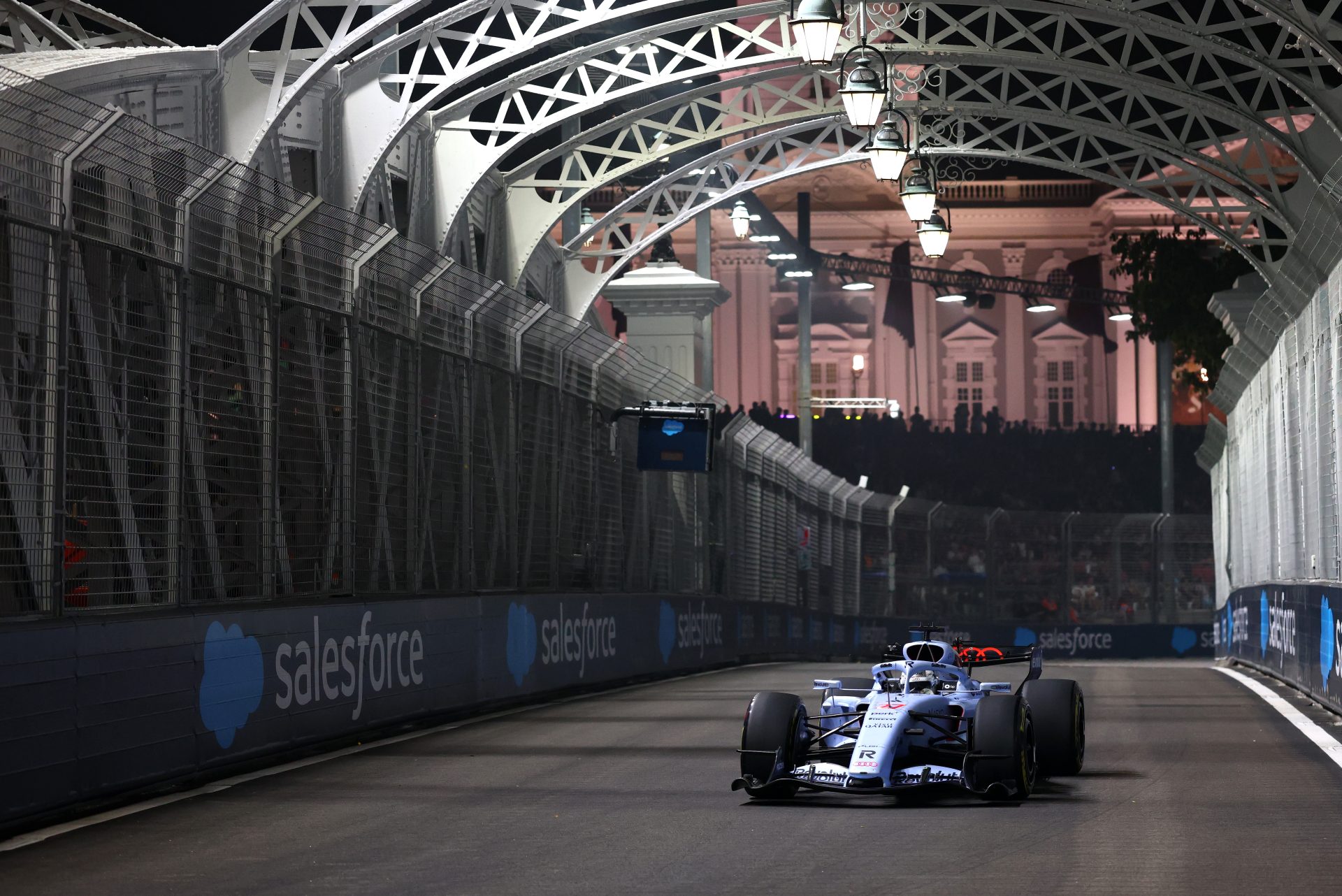
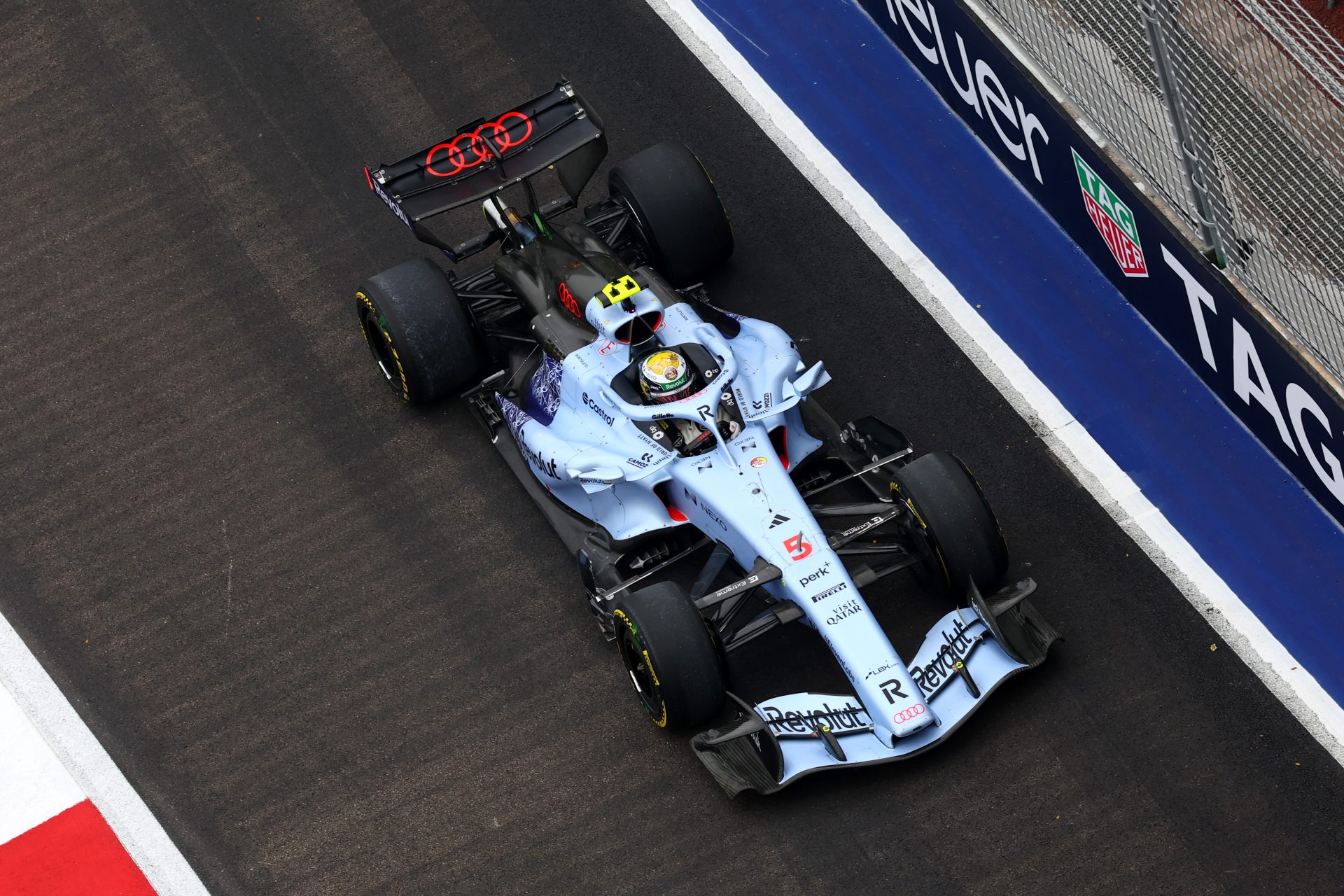
It fits naturally into our wider identity. With a Formula 1 car, you cannot influence the overall geometric shape to a great extent because it is dictated by performance, aerodynamics and regulations. What we wanted to do was visually connect the Formula 1 car and its livery with everything else we are creating at Audi.
When we introduced the Concept C in September last year, followed by the R26 concept platform about a month and a half later, people immediately recognised the visual connection between the two. We achieved that through a very clean, geometric approach to the livery, with vertical lines and a distinctive graphic layout.
The Audi Formula 1 car is recognisable on the grid. When you see it, you immediately know which car it is. That is something we want to carry through to our road cars as we move forward.
How important is it for Audi to establish a recognisable identity across every customer touchpoint, beyond its passenger cars?
We want everything to be instantly recognisable as Audi. We are creating a brand identity based on that principle. Whether you look at the Formula 1 car, the motorhome, the team’s uniforms or our other projects, there needs to be a consistent visual language. When you look at the Concept C and the R26, you should be able to see that they belong to the same world.
We want to bring that identity into every single touchpoint of the company. This is also changing the way we approach the customer experience and the role of design within the business. Design is becoming a guiding principle behind everything we do at Audi. From brand expression and retail spaces to events and Formula 1 races, design needs to be involved from the beginning. Otherwise, you risk creating different brand expressions that do not match. Ultimately, we want to create one coherent Audi experience.
Are there any non-negotiable design elements that you want to preserve across Audi’s passenger cars?
The first and foremost is the proportions of the car. Proportions are the foundation of good design, and we spend a great deal of time getting them right. Think of it like a building. The foundation needs to be solid, otherwise the entire structure will not stand, regardless of how beautiful it looks. This includes the size of the wheels, the wheelbase, the height and length of the car, and the relationship between the glasshouse and the wheels. These elements establish the foundations of the design. When your philosophy is rooted in simplicity, proportions become even more important. If the proportions are not right, you cannot hide behind additional design elements. There is nowhere to hide.
The other non-negotiable is the identity of the car. When you look at an Audi, there should be no doubt that it is an Audi. As you move across the different models, you should also be able to distinguish an A4 from an A6 or an A8. They do not need to follow exactly the same recipe, but they should share the same identity while retaining different characters. The presence of the grille is also not negotiable. The vertical frame will remain part of future Audi models, although its execution, size and proportions may vary.
When entering new markets such as China or Southeast Asia, how does Audi differentiate itself while remaining true to its design identity?
It is important to understand the landscape and be aware of what is happening around you. However, that does not mean you need to do more than everyone else. The best way to establish a distinctive identity is to have your own perspective and develop your ideas based on your own findings. Otherwise, you risk simply reacting to what others are doing.
Audi has a distinctly European design sensibility. How do you adapt that identity for markets across Asia and other regions?
The idea of a single global strategy, as it was understood years ago, is probably no longer as straightforward because societies have changed so dramatically across Asia, Europe and America. What remains important is having a brand that is recognisable globally. Whether a car is sold in Germany, Singapore, China or the United States, it needs to reflect Audi’s global positioning and identity. Of course, certain elements can be tailored to individual markets and specific customer needs. However, the foundation must always be a recognisable and distinctive brand identity.

Where does sustainability fit into Audi’s design philosophy?
Sustainability was a very popular topic a few years ago. Everyone was talking about how important it was to become sustainable. In my experience, we have reached a point where you do not even need to talk about sustainability anymore because it has become a hygiene factor. It is no longer simply a goal. It needs to be embedded in everything you do. If you are not a sustainable business, if you do not have sustainable processes or use sustainable materials, then you are no longer relevant.
How does Audi put this into practice?
Sustainability touches different aspects of the business. It can be about processes, how you work and operate, or how you define your supply chain. It also applies to the product itself, including the recyclability and sustainability of materials, the use of mono-materials and how individual components are manufactured. Circularity is another important consideration throughout the process.

As artificial intelligence becomes increasingly prevalent, how do you see it influencing Audi’s design process? What aspects of design will always require a human touch?
AI is here. It is part of what technology and progress are making available to us. I think it is important to embrace it in the right way because AI can eliminate a lot of inefficiencies and time-consuming tasks that may not add much value to the final outcome.
There is considerable scope for using AI. However, the human presence remains very important. That is not only about controlling the output generated by an AI agent. When it comes to certain products and experiences, human feeling is still fundamental. Perhaps that will change in the future, but I cannot answer that question today. At the moment, the human element remains critical.
There are many different opinions about AI, but it is similar to any new technology: it often divides opinion when it first emerges. AI is not going away. It will continue to grow and develop, so the important thing is learning how to use and embrace it properly.