The Piaget Polo: Carved into History
In an era when trends are ever-shifting, what defines true timelessness? Piaget responds by honouring a storied signature of its own at this year’s Watches and Wonders.
Piaget stands as a true hallmark of Swiss watchmaking excellence. Born out of a humble family farm in 1874, the brand is now synonymous with peak precision and artful craftsmanship, staying true to founder Georges-Édouard Piaget’s enduring motto, “always do better than necessary”. The maison’s glorious heritage and unique savoir faire in haute horology and fine jewellery have resulted in a glittering portfolio of timekeeping masterpieces that straddle both worlds.
At the mention of Piaget, many immediately recall the Piaget Altiplano, the ultra-thin wristwatch line with mechanical foundations that trace back to 1957, when the brand unveiled the 2mm-thick Calibre 9P movement. Others think of the dazzling jewellery watches the brand pioneered in 1963 with the world’s first-ever precious stone dial watches — magnificent creations loved by legendary figures such as Elizabeth Taylor and Jackie Kennedy. Piaget’s remarkable diversity also means it is equally revered for the sporty elegance of the Piaget Polo watch, an icon in its own right.
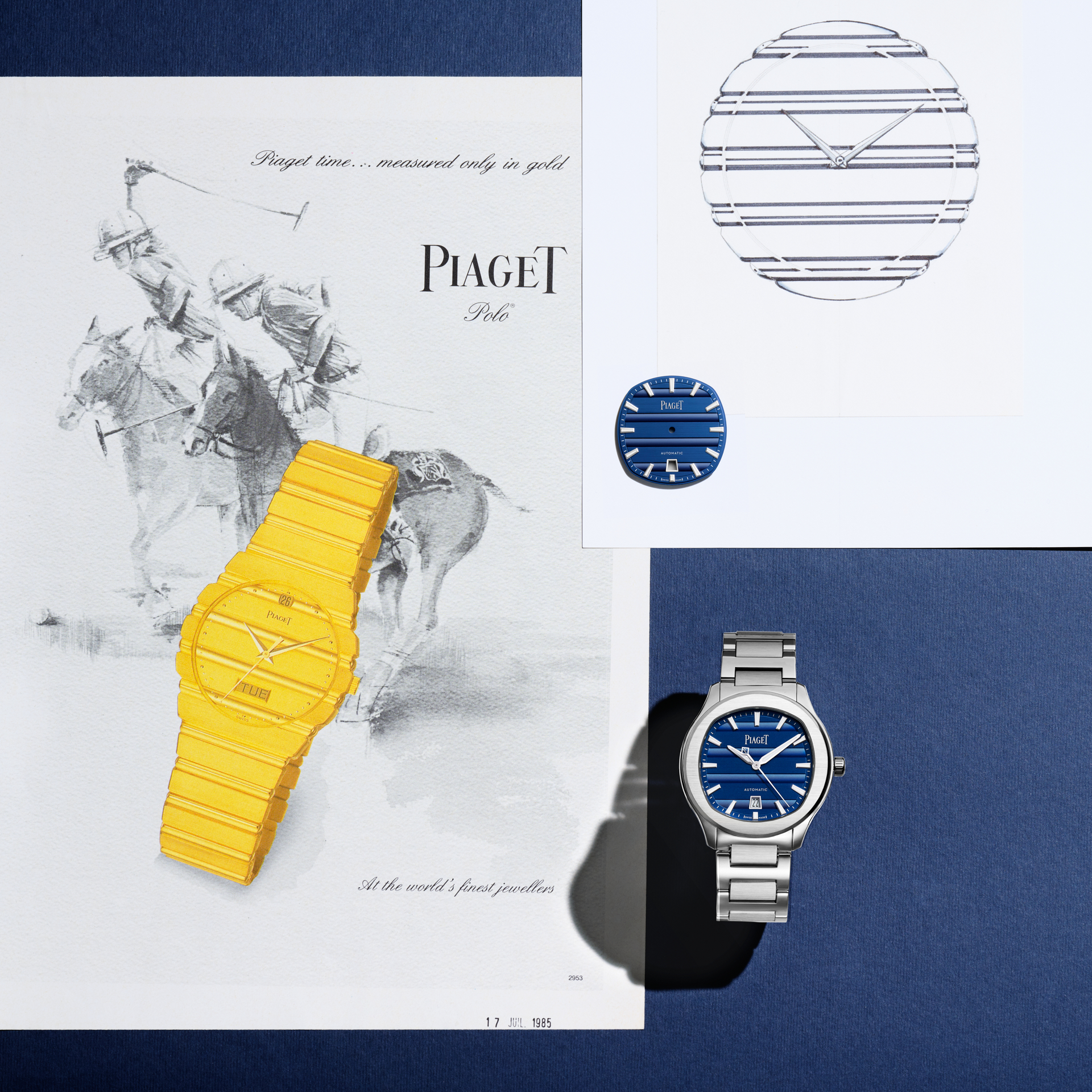
Amid the rise of sport-chic steel watches in the 1970s, Piaget introduced its first ever named watch model in 1979. Borrowing its name from the sport the maison proudly sponsored at the time, the Piaget Polo watch signalled a bold new chapter in the brand’s design story. It was deceptively simple in design. Forged from a singular solid block of 18K gold, it featured an integrated bracelet that lent an understated elegance to the watch. As Yves G. Piaget, from the fourth generation of the family, famously said, “It is a bracelet featuring a watch, not a watch featuring a bracelet.”
The Piaget Polo instantly drew recognition for its innovative design that perfectly encapsulated the spirit of the ’80s, winning hearts among famous personalities like Andy Warhol, Björn Borg and Roger Moore. The discerning film enthusiast might have noticed the Piaget Polo on Robert De Niro’s wrist in the 1995 mob epic, Casino. Indeed, it is a spectacular timepiece for a spectacular man.
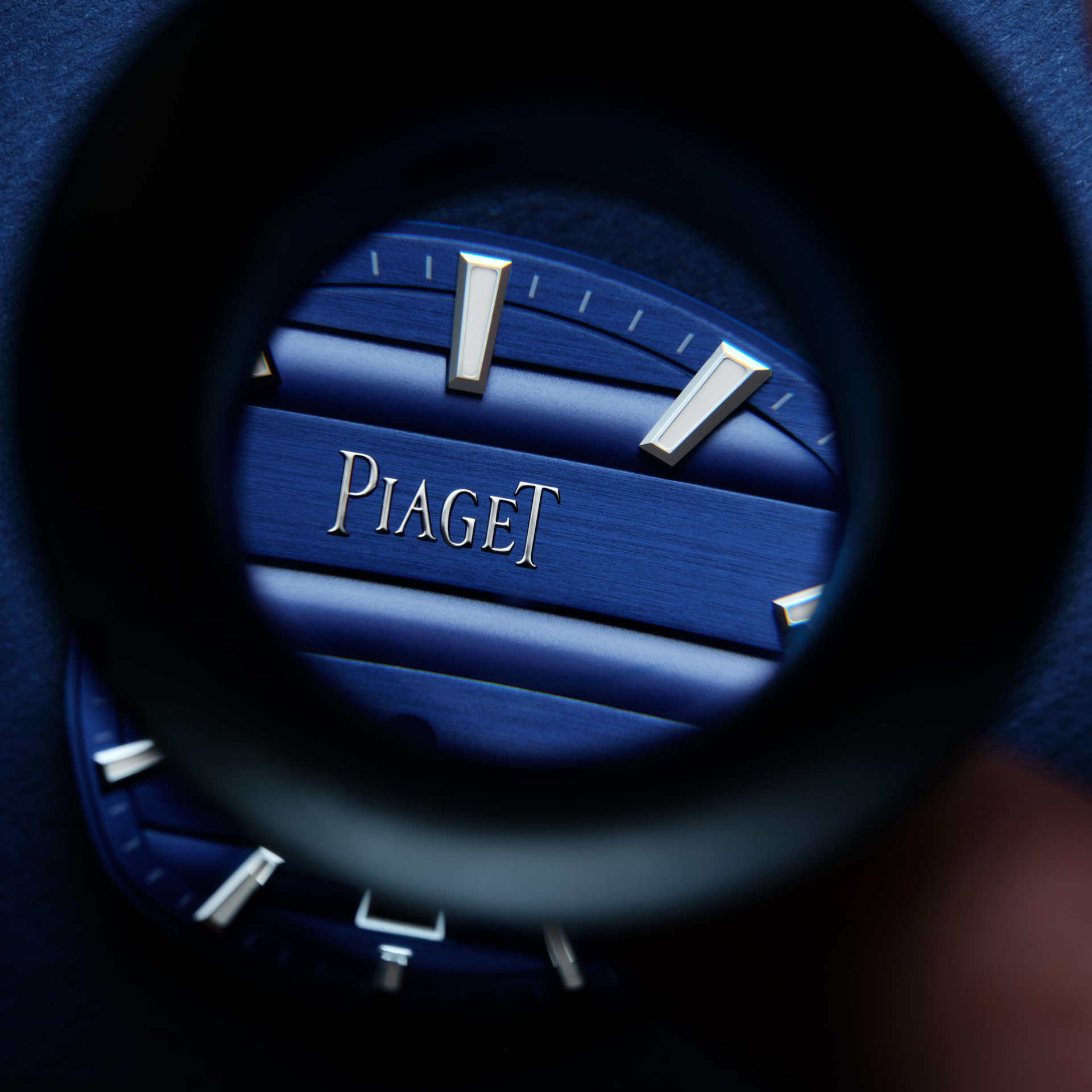
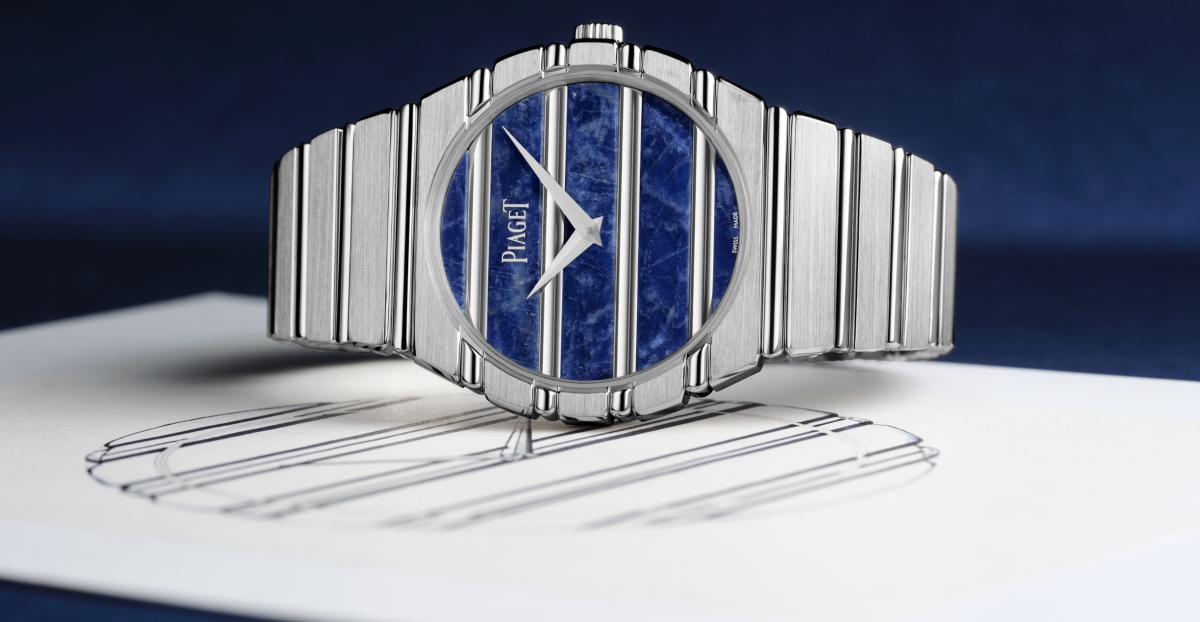
In the years since its debut, the Piaget Polo has gone through countless variations but one thing has remained the same: the signature gadroons. From the beginning, the Piaget Polo has been characterised by the distinctive horizontal striations that lend the timepiece a subtle playfulness and incomparable sophistication. This design motif epitomises “extraleganza”, the intersection between extravagance and elegance that lies at the heart of Piaget’s design language.
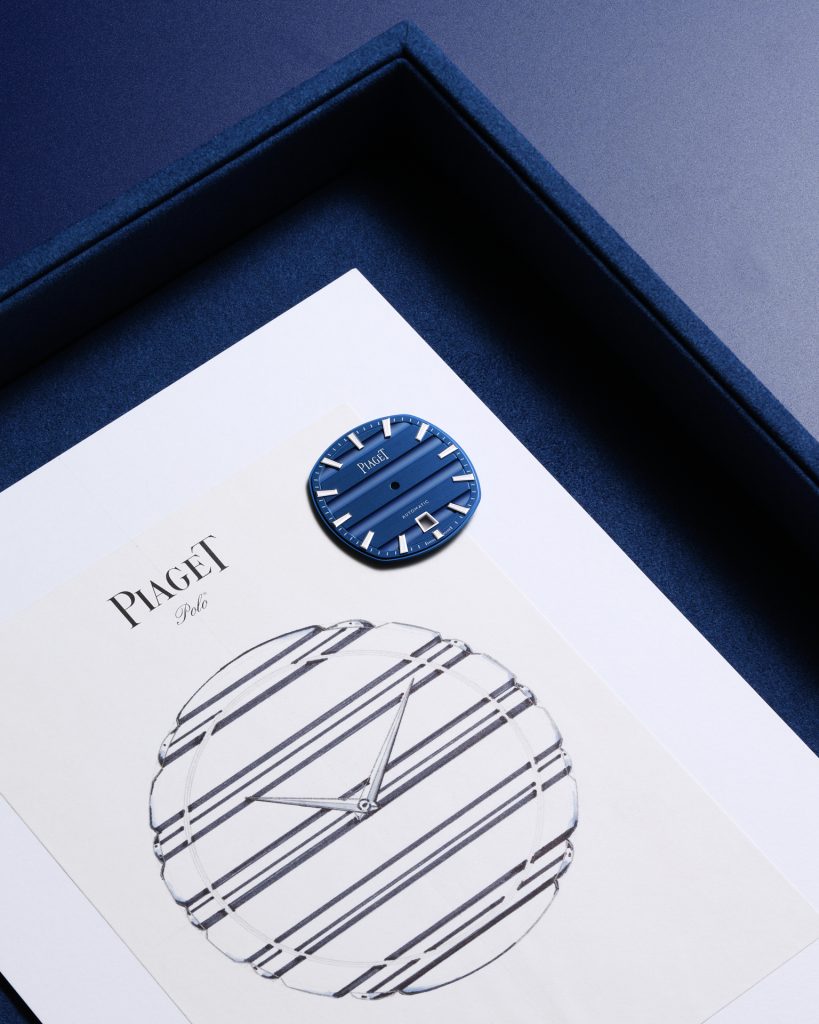
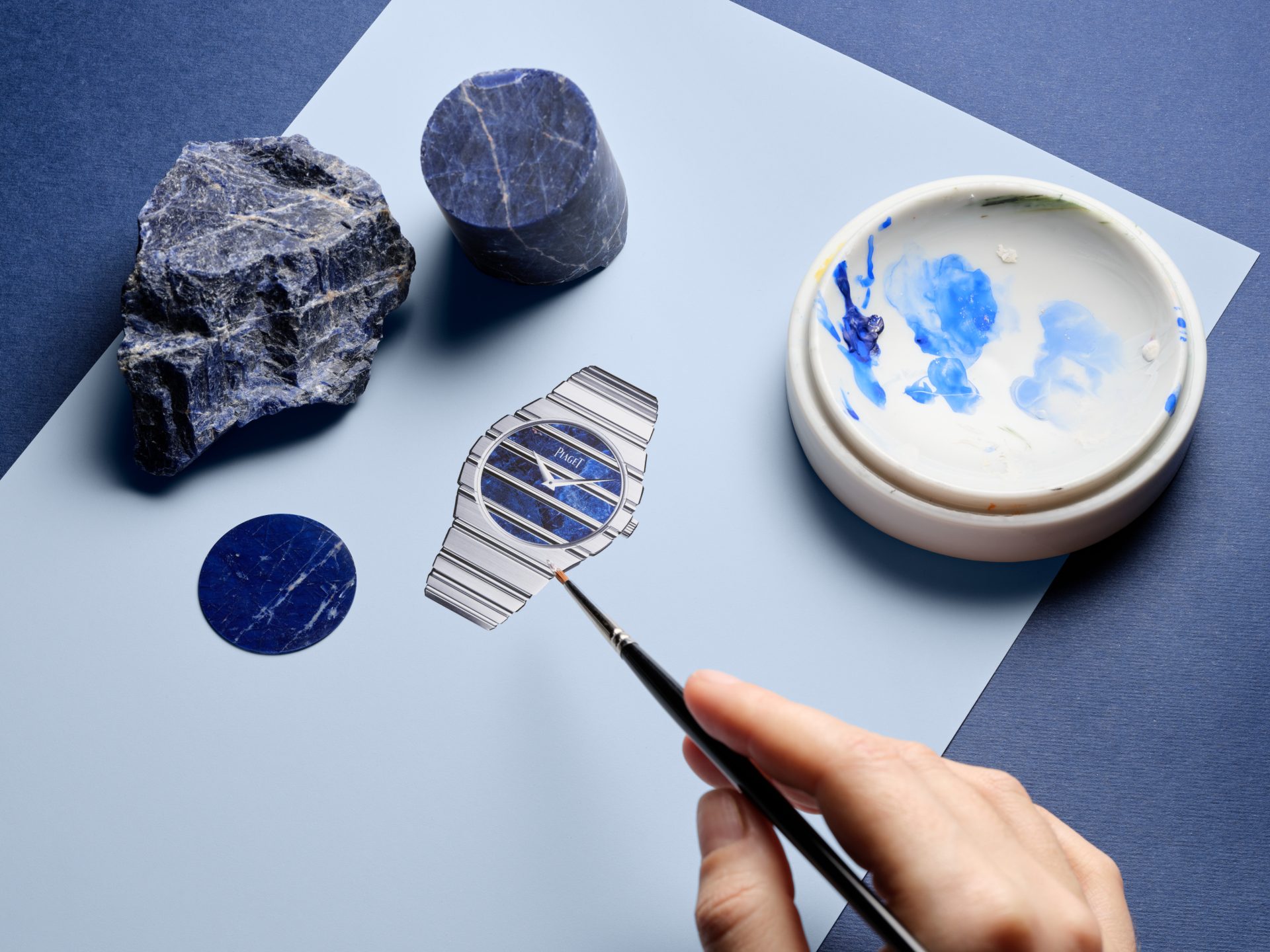
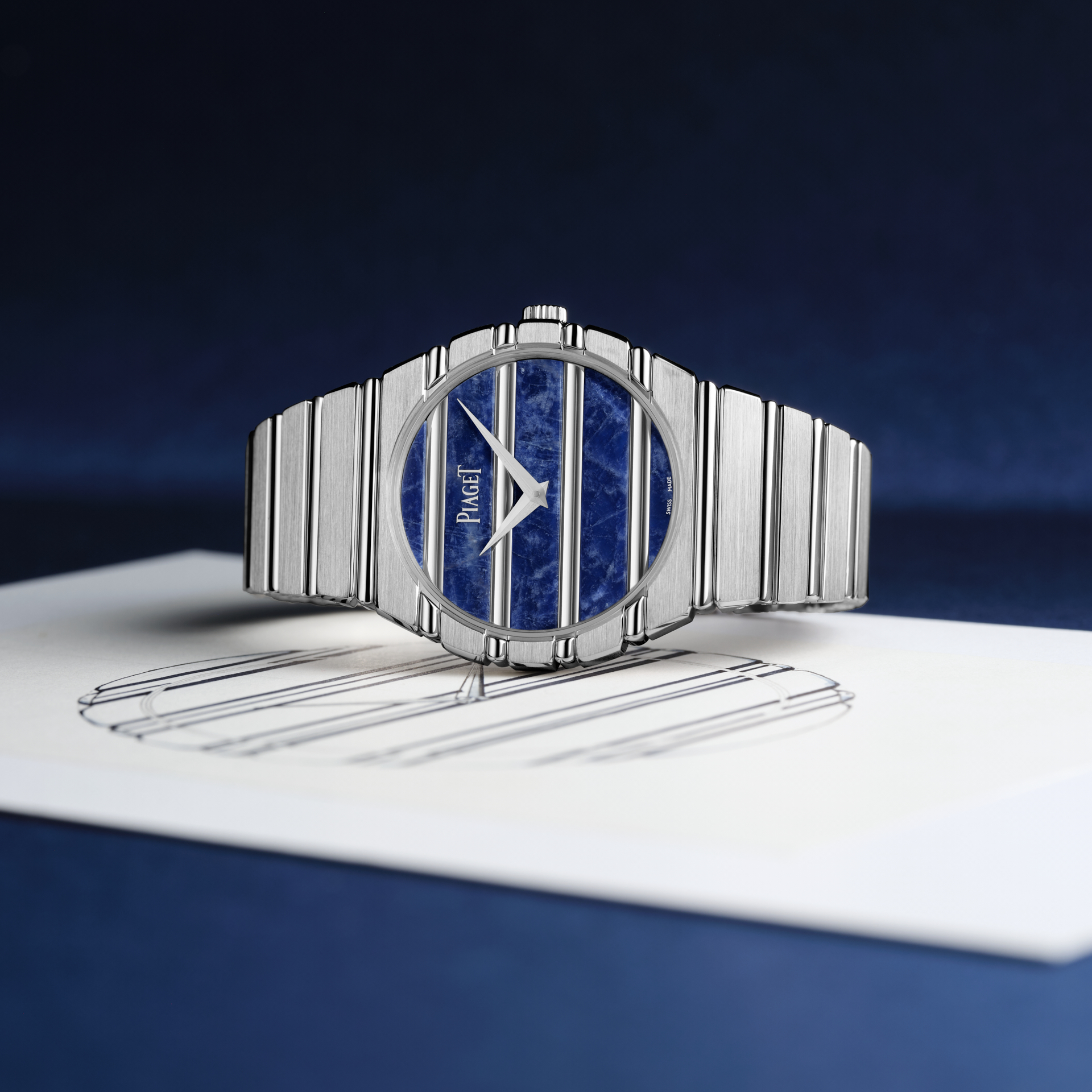
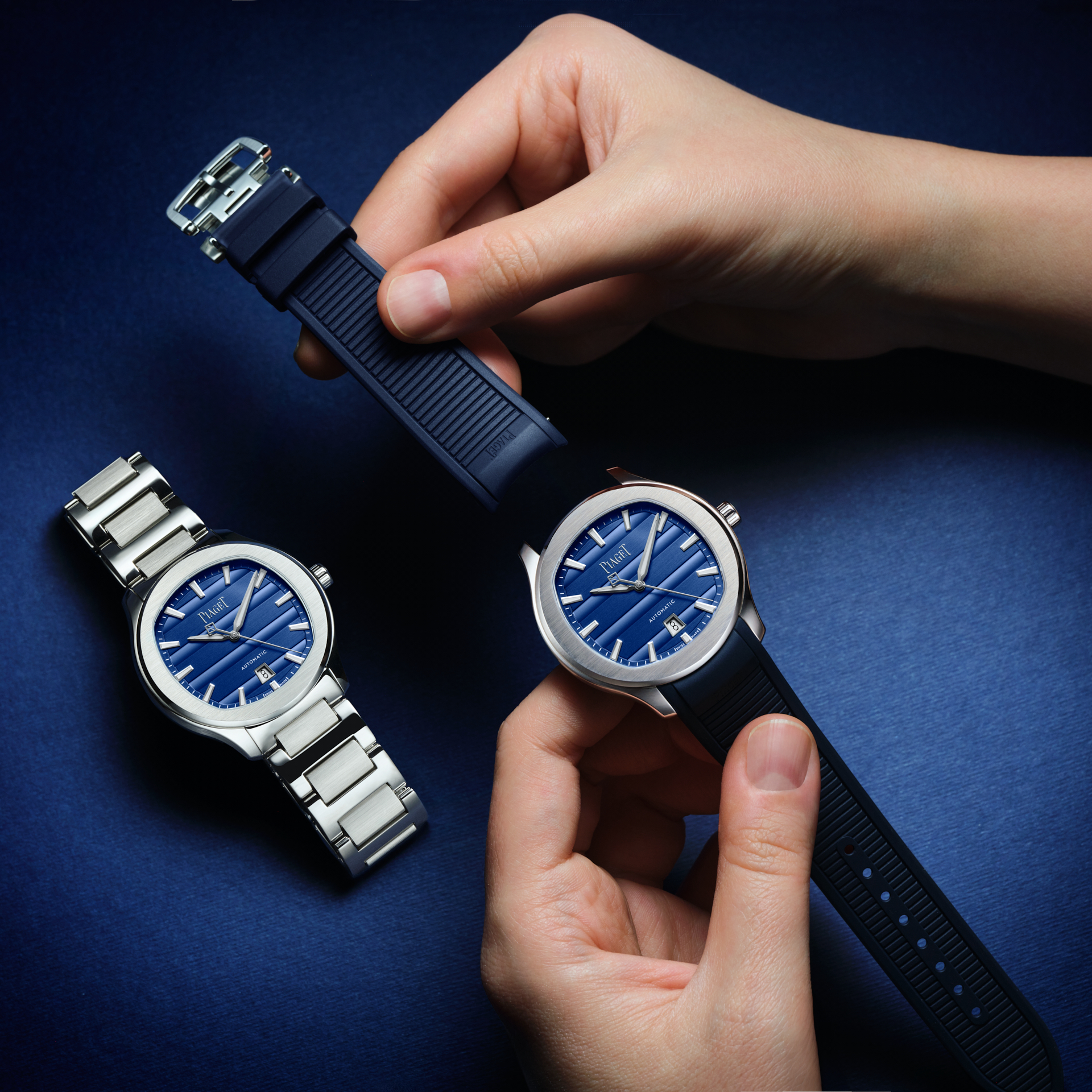
For Watches and Wonders 2026, Piaget reimagined its beloved gadroons on a new white gold Piaget Polo 79 with a deep blue sodalite dial, the first time ornamental stone has been used in the range. Then there are the Piaget Polo Signature Date couples watches offered in 36mm and 42mm, with gadroons across their silver-toned dials and interchangeable rubber straps in beige or khaki green.
Additionally, the Piaget Polo Signature Date range also expands with new steel and rose gold models bearing gadroons across deep blue dials, with and without diamond-encrusted bezels. They may be fresh faces, but remain monuments of craftsmanship, underscoring Piaget Polo’s singular ability to transcend time. Style may change with the seasons, but gadroons? They endure.