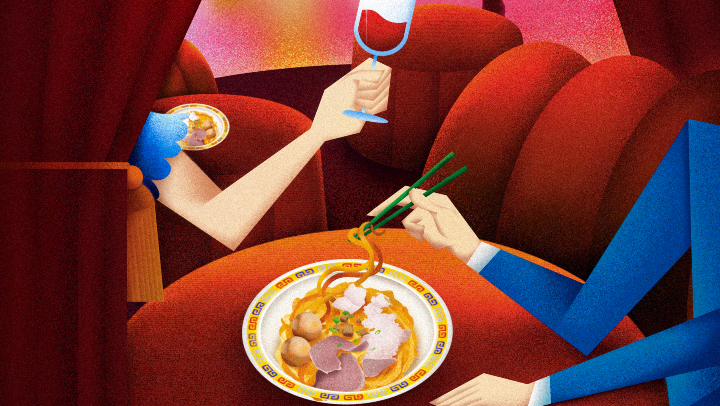
Is Storytelling Replacing Traditional Fine Dining?
Diners today are looking beyond white tablecloths for food with soul, heritage, and a story, sans three-month waiting list or tailored suit.
It begins, as many good meals in Singapore do, with a test of patience.
By 11 a.m., the line at Hill Street Tai Hwa Pork Noodle already snakes out around the building corner. The queue moves at a glacial pace and sweat begins to gather at the back of my neck – the kind of quiet discomfort every Singaporean knows all too well. Under the harsh fluorescent lights, only the intoxicating aromas of black vinegar, rendered lard, and toasted sole fish cut through the thick air. I am here for a bowl of dry pork mee pok, a Teochew staple of flat egg noodles tossed in a razor-sharp sauce. It is widely considered a masterclass in balance, served at one of Singapore’s most famous Michelin-starred hawker stall.
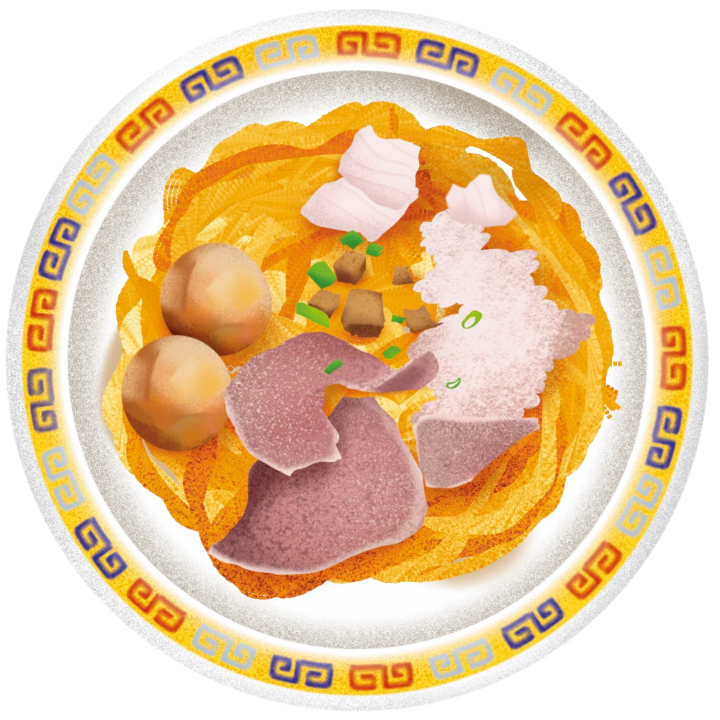
When the bowl arrives, the contrast to traditional fine dining is immediate. No hushed dining room or wine pairing. No carefully rehearsed monologue explaining the origin of the dish. Just an unapologetic, chaotic harmony of tender minced pork, liver, crisp sole fish, and al dente noodles coated in a glistening, chili glaze. By the last bite, my appetite is already locked in a debate on whether to join the queue again for round two or just sit tight. I choose the latter.
I first discovered this eatery during a late-night digital deep dive, the kind that starts with a single clip and ends with a dozen starred spots on Google Maps. But between the close-up shots of noodles being tossed alongside the saga of a family recipe perfected over decades, the dish had already begun to take on meaning even before I sat down.
That, increasingly, is the point.
The palate of modern diners are becoming more elevated, open and globalized. They already know what tastes good, but they want to know why it matters. In an era dominated by hyper-convenience and homogenizing algorithms, a hawker stall isn’t just a place to grab a quick meal; it is a monument to heritage and craftsmanship. A single bowl of noodles represents four decades of refinement in skill and recipe. In a culture obsessed with the shiny and new, that level of discipline isn’t old-fashioned, it is the ultimate flex.
Science backs up this shift in appetite. A 2026 study published in the International Journal of Hospitality Management highlighted how storytelling fundamentally alters our culinary experiences. Researchers found that narrative framing in dining settings significantly elevates the perceived meaningfulness of food and strengthens a diner’s intent to seek it out. Put simply, when a dish arrives with a story, we don’t just eat it – we value it, remember it, and obsess over it.
This appetite for authenticity over formality is hardly unique to Singapore. It has become the defining pulse of global dining. In New York, foodies that obsess over the traditional Midtown white-tablecloth institutions serving a 6-course meal with wine pairing are also queuing around the block in Greenwich Village for a slice of $6 pizza at Joe’s Pizza or waiting in line for Gyro chicken over rice at Adel’s Famous Halal Food. In London, the city’s most fiercely contested seats are not under crystal chandeliers, but tucked away in the smoky buzz of Borough Market or at cramped, high-energy eateries like Roti King.
This cultural shift has simultaneously bred a new archetype on social media: the food pilgrim. In Singapore, creator Samuel John Lynas (known on Instagram as @fedby_) has turned this ethos into a digital crusade through his project, The Michelin Munch. Rather than chasing ultra-luxurious tasting menus, Lynas documents his journey through Singapore’s Michelin-recognized eateries. For his followers, the draw isn’t merely watching someone eat, it is the completeness of the journey itself. Dining becomes an act of discovery, documentation, and cultural mapping.
This doesn’t mean fine dining is replaced. Far from it. The theatrical artistry of a three-star tasting menu still holds its place. But our definition of luxury has fundamentally shifted. For a younger, well-travelled demographic, expensive polish and stiff etiquette are no longer the ultimate status symbols. True discernment is.

Luxury today is about hyper-specificity, seeking out a flavor profile that could only exist in one city, on one corner, prepared by one master. The Tian Tian Hainanese chicken rice nestled in Maxwell Food Centre worth crossing town for or the Blanco Court Prawn Mee (dating back almost 100 years) that began as a YouTube discovery and became a personal ritual. The price tag no longer dictates the prestige. Instead, the real cultural flex lies in knowing precisely where to eat, which signature dishes to order, and how long you’re willing to wait – whether for a reservation or in the heat of an open-air stall.
Validation from global institutions certainly helps bridge the gap. The Michelin Guide’s recognition of street food proves that soul and craft belong in the same breath as fine dining. The newly-released Michelin’s 2026 Singapore Bib Gourmand list in July, which features 97 value-for-money establishments, reinforces this cultural pivot toward accessible excellence. But international accolades aren’t what keep people waiting in the heat.
What keeps us coming back is the feeling that the dish has soul, and the mere satisfaction of knowing exactly where to find it.