Fall-Winter 2026 Report: Has Menswear Had Enough of Novelty?
Fall/Winter’26 sees menswear looking inward, with maisons revisiting their core codes to create pieces designed for lasting appeal over the pursuit of relentless newness.
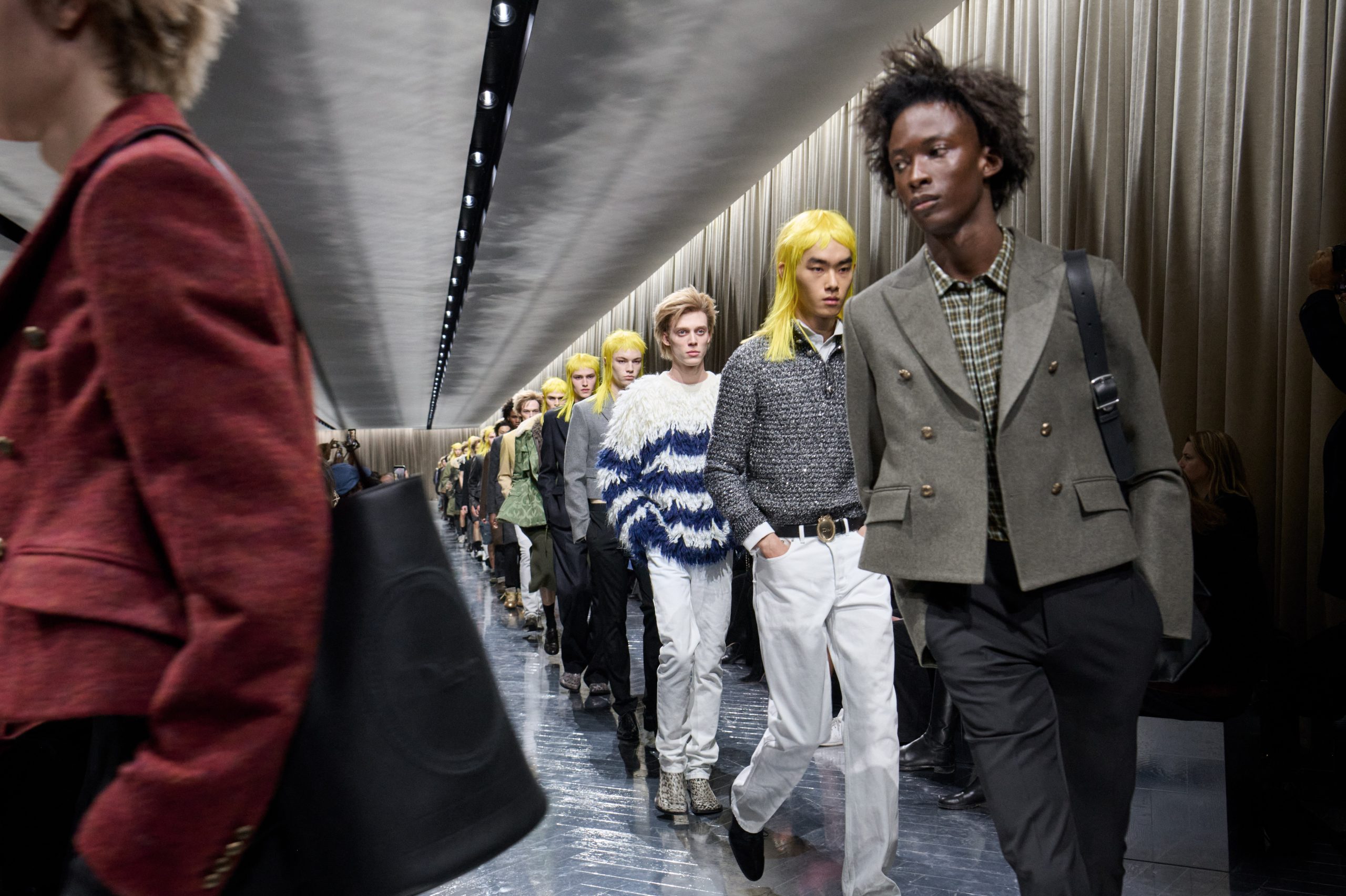
2025 was a year that saw the rise of every new trend prompt talk of a “recession indicator”. While previous menswear collections had embodied a sense of exuberance, Fall/Winter ’26 saw brands return to their roots and, in doing so, place greater emphasis on pieces with lasting appeal. In fact, the very first words from Zegna’s press notes of the season’s collection read “clothes of life, clothes for life, clothes with life”, acknowledging the importance of upholding the value of clothing.
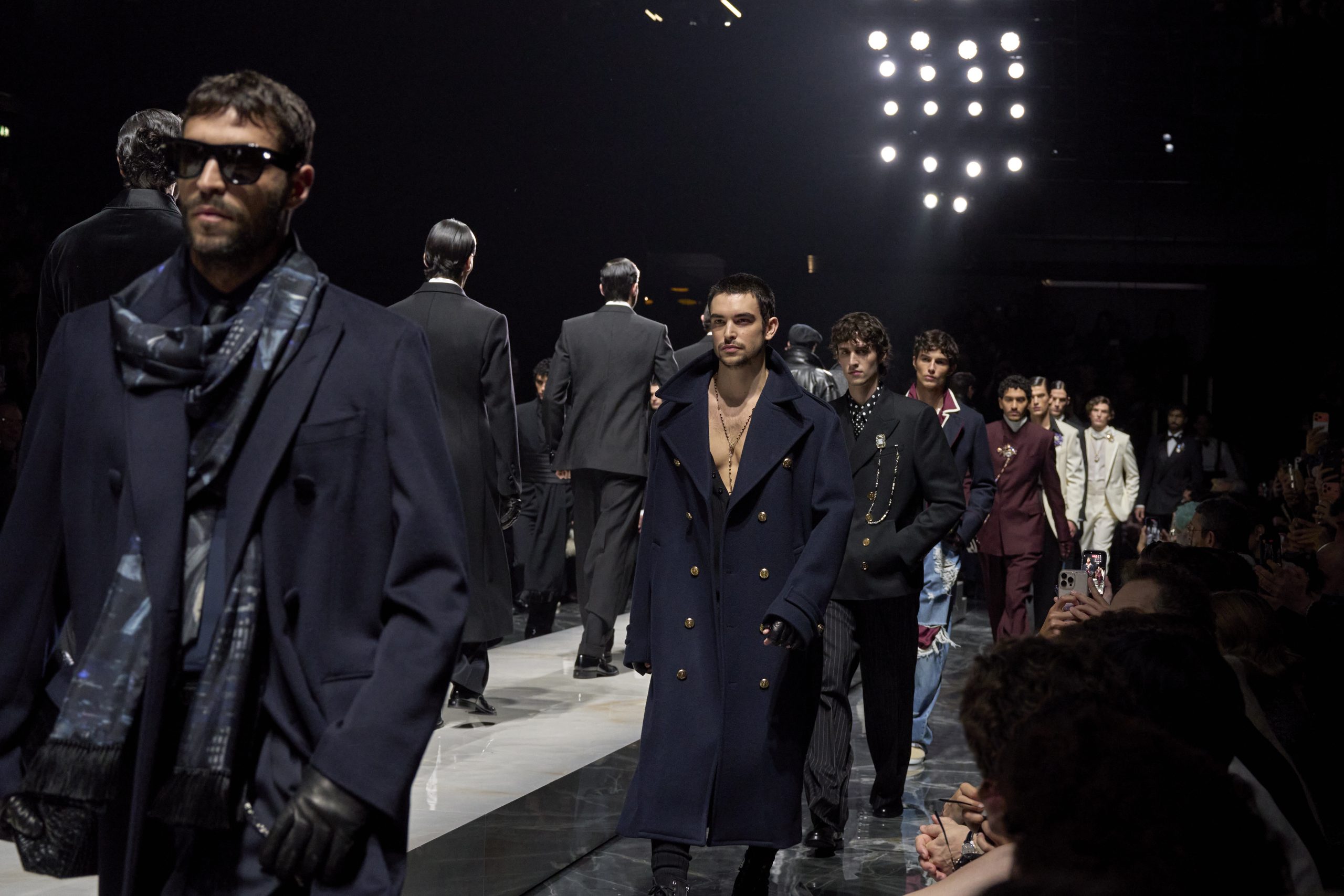
Menswear showcases can (at times) feel as though they focus more on the spectacle of the runway rather than the practical realities of wearing the pieces on display. So it was refreshing to see a return to form and function within the collections themselves. Simply put, Fall/Winter’26 was an introspective look at what makes men’s fashion feel special in 2026, beyond flashy accoutrements and seasonal novelties. While the word “commercial” can sometimes feel like a contentious term, there was certainly an undeniable commercial appeal to these collections. It was evident in the thought given to the functionality of the pieces and how they were engineered to perform beyond appearance, making them easily adaptable to fit into the lives — and wardrobes — of the modern man.
During times of looming economic uncertainty, brands often retreat to their core values and offerings, perhaps strategically choosing to deliver signature creations that could form the backbone of one’s wardrobe rather than pursue an entirely new creative direction. For maisons with decades of history behind them, this can also mean looking to the core codes and hallmarks of craftsmanship that have defined them since their inception.
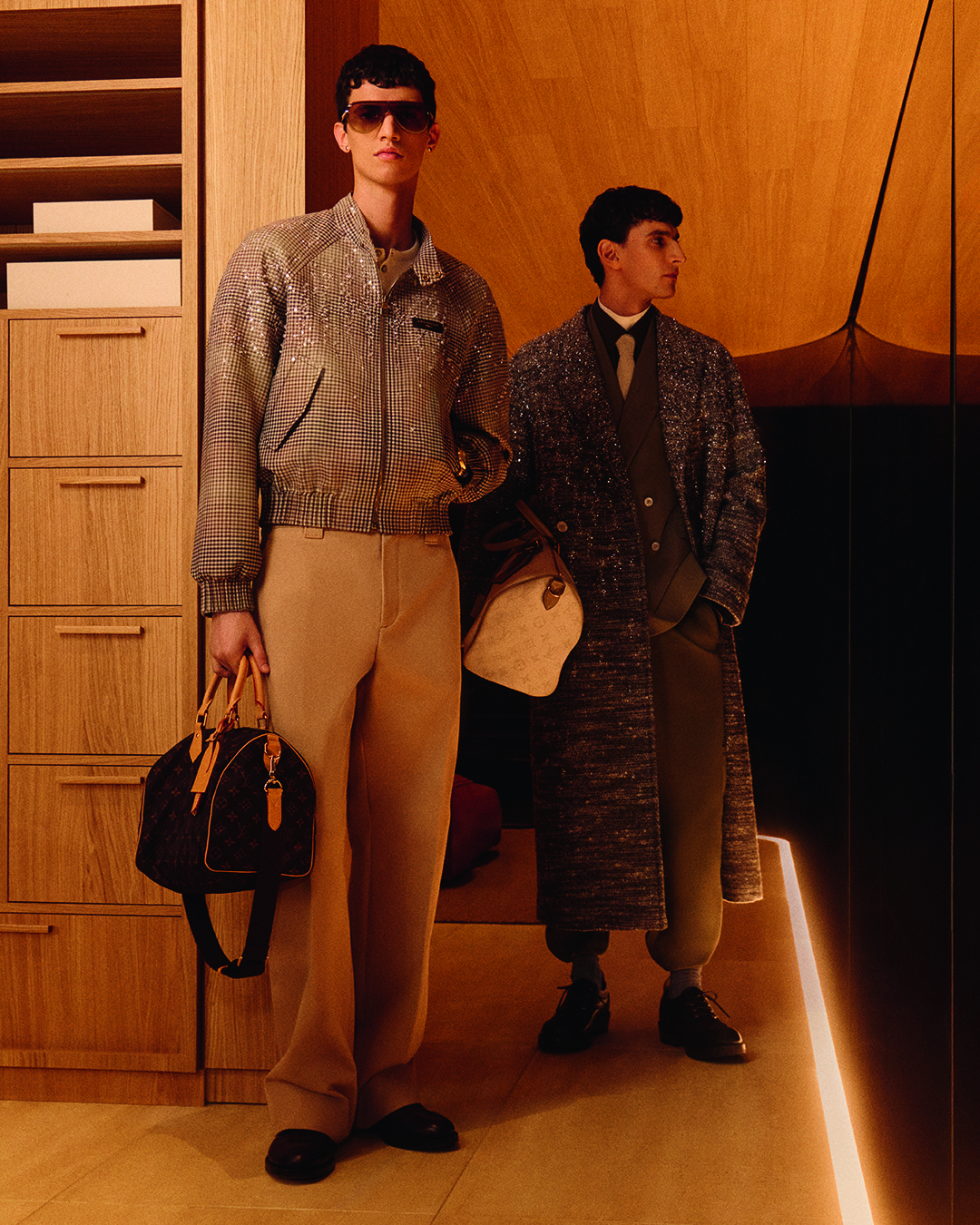
Using a maison’s heritage as an “evergreen” source of inspiration is always a smart move. It ties products back to a brand’s roots while allowing space to introduce new ideas and interpretations of what consumers already know and love about the label. Louis Vuitton’s expertise lies in construction, leather goods and continually reinterpreting the idea of travel, while Dior is defined by its atelier’s ability to translate haute couture techniques into contemporary pieces.
While the Fall/Winter ’26 collections were not basic by any stretch of the imagination, there was a renewed focus on practicality and how pieces could adapt to the life of the wearer, whether in urban settings or the great outdoors. It was not just about clothing for clothing’s sake, but an understanding of the functionality required of the pieces and an acknowledgement of how they make the wearer feel.
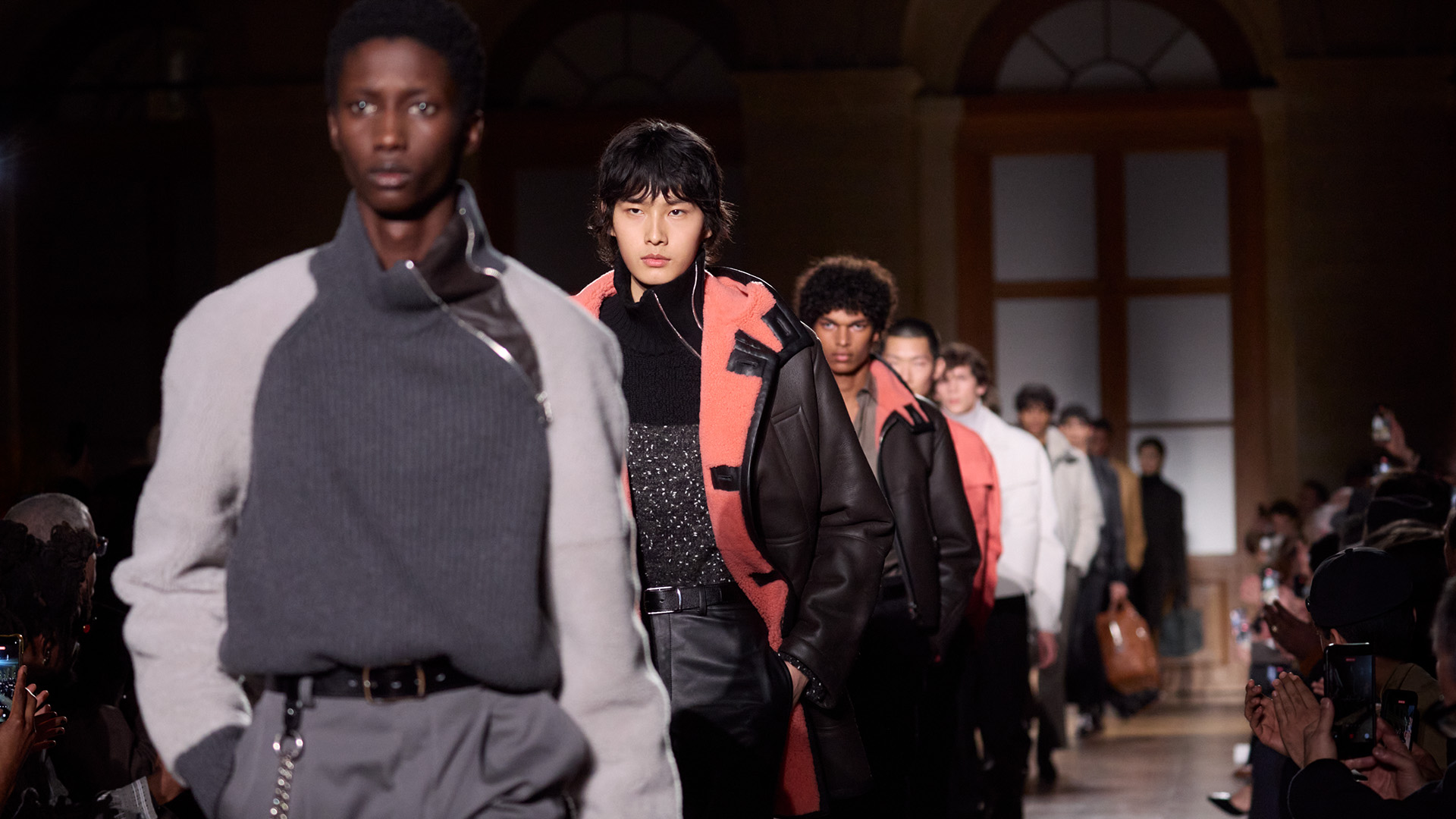
Yes, delivering pieces that last and have timeless appeal is inherently at odds with the cyclical nature of seasonal trends and the never-ending battle for increasing profit margins. Yet this tension is precisely what makes the renewed emphasis on longevity so significant, as it marks a return to the traditional notion of luxury — that expensive things are meant to last and that buying luxury is, in some sense, an investment. Trend-driven consumption and a quest for constant newness, has perhaps led to a renewed interest in quality and a sense of timelessness. This notion was evident across the Fall/Winter’26 collections, where the runways showcased how some maisons were looking to their heritage and founding codes while others honed in on textural and material experimentation and adapting to the changing realities of how men dress today.
Old Codes, New Tricks
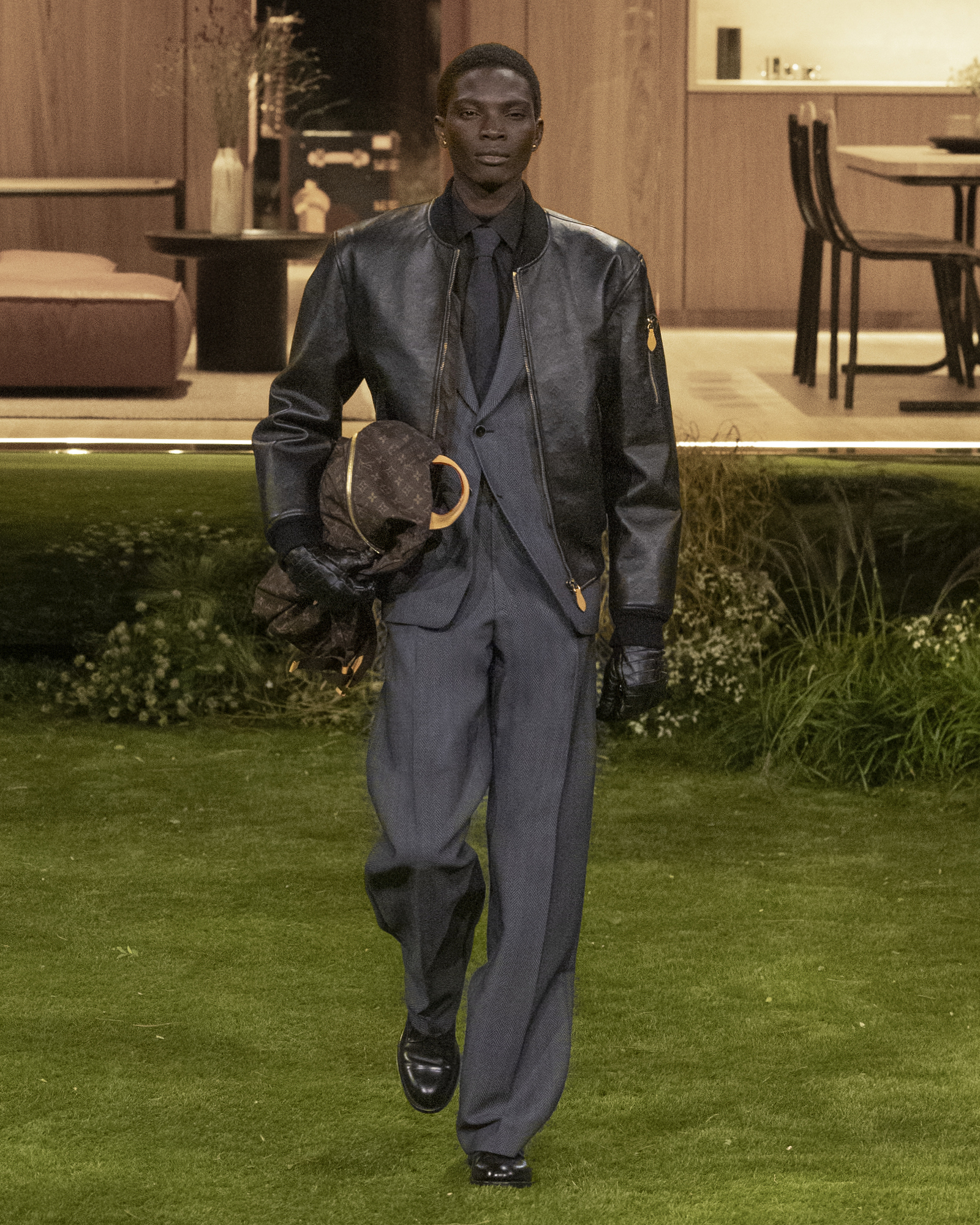
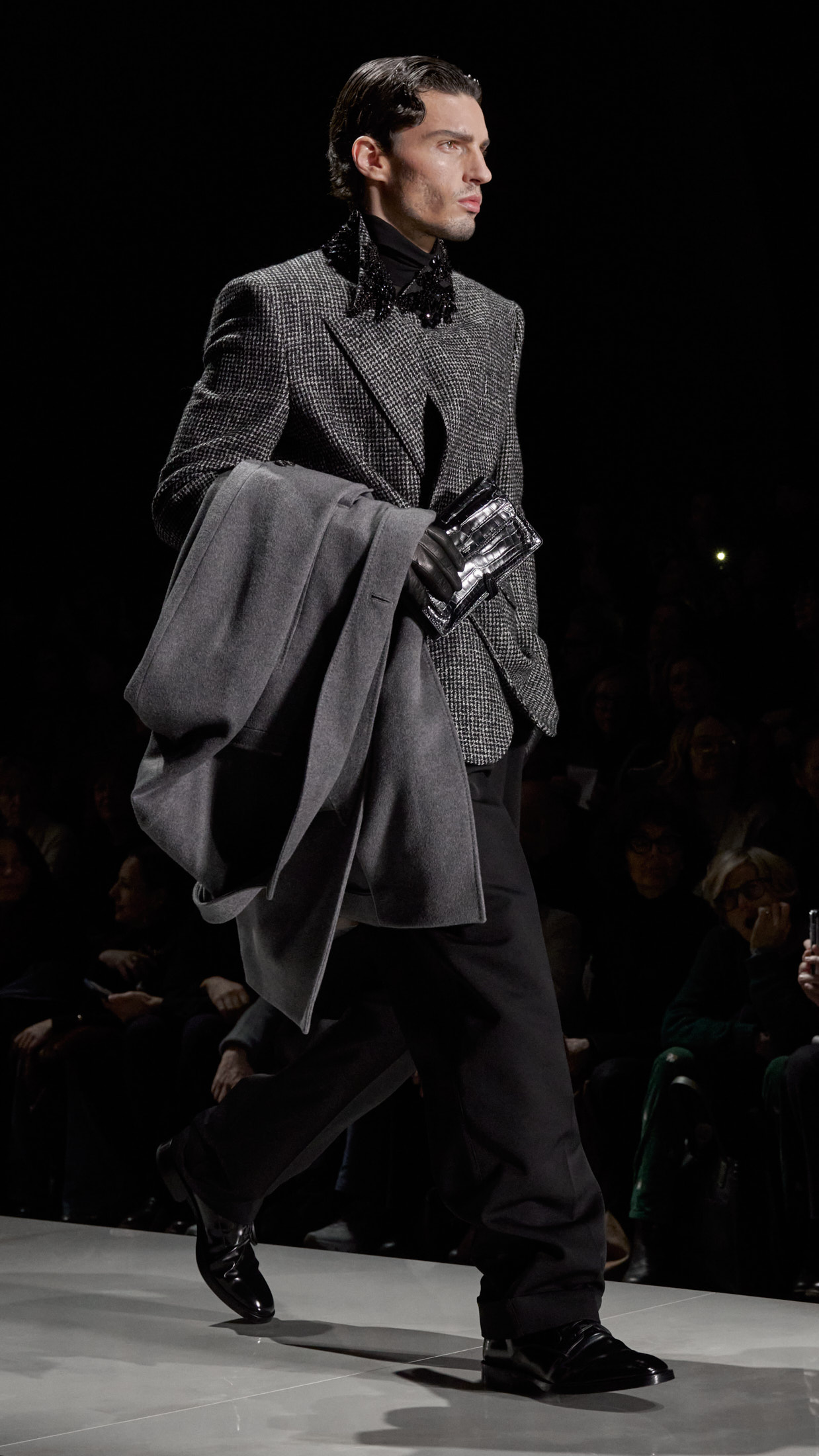
Louis Vuitton’s men’s creative director Pharrell Williams rejected abstract shapes in favour of building lasting wardrobe staples that are described by the brand as “designed to endure rather than expire”. The result was a Fall/Winter’26 collection that was a timeless curation of gentleman’s textiles including houndstooth, herringbone and check fabrics, created as expressions of functionality and durability by artisans at the Louis Vuitton Studio Homme — and a clear departure from the bold outerwear and experiential silhouettes associated with the French maison during Virgil Abloh’s tenure.
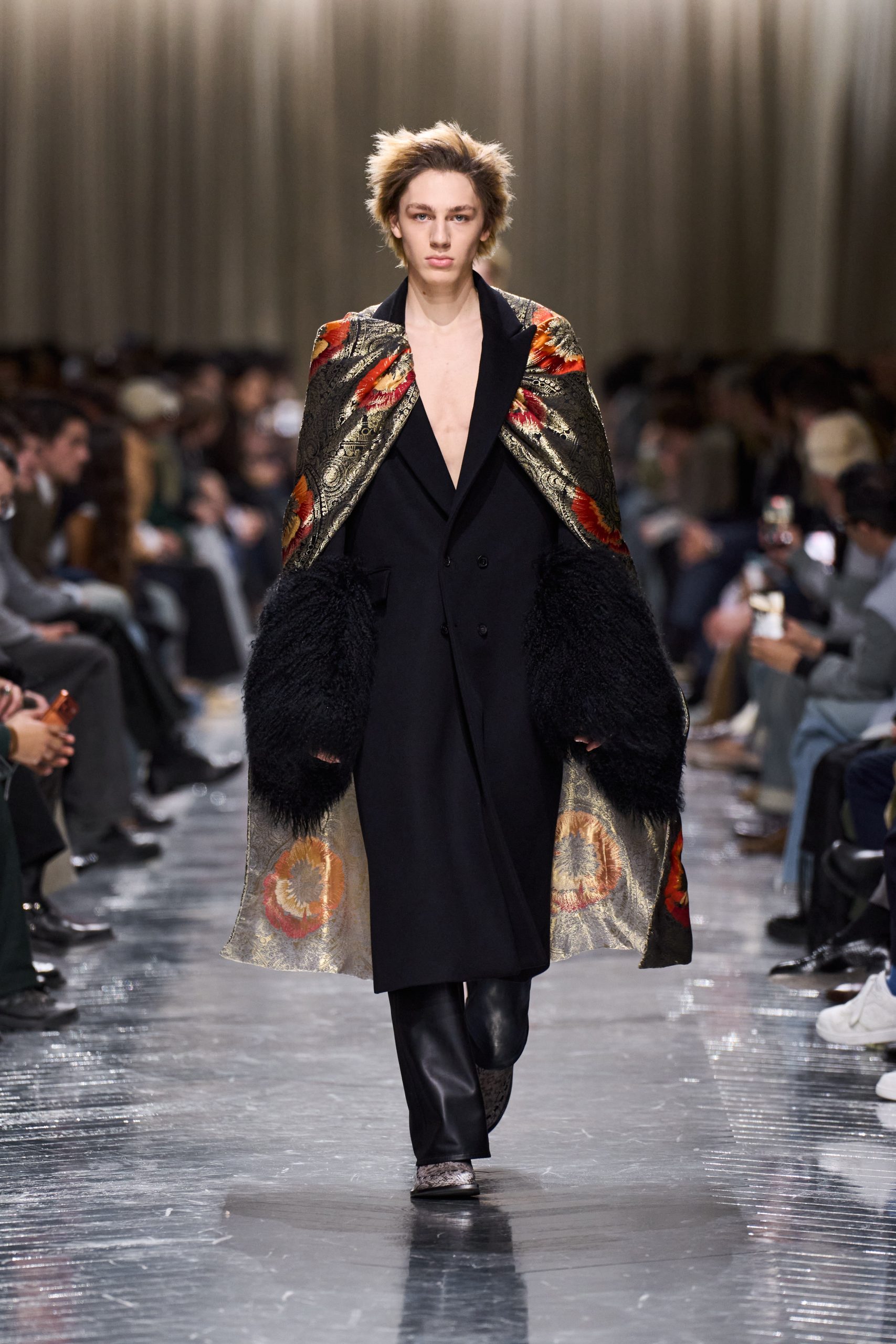
Dior, on the other hand, looked to its archives to revisit enduring classics, offering a cropped update to the Bar jacket alongside Delft shorts, elongated frockcoats and soft messenger bags. The use of Donegal tweed, a British fabric favoured by Monsieur Dior, further reinforced the maison’s connection to its heritage. Even a more couture-centric point of reference such as the late Paul Poiret was beautifully distilled into contemporary pieces including dynamic denim ensembles and beautifully embroidered jackets, adding pieces to the collection back that a modern-day flâneur — the wandering 19th-century Parisian observer — might wear today.
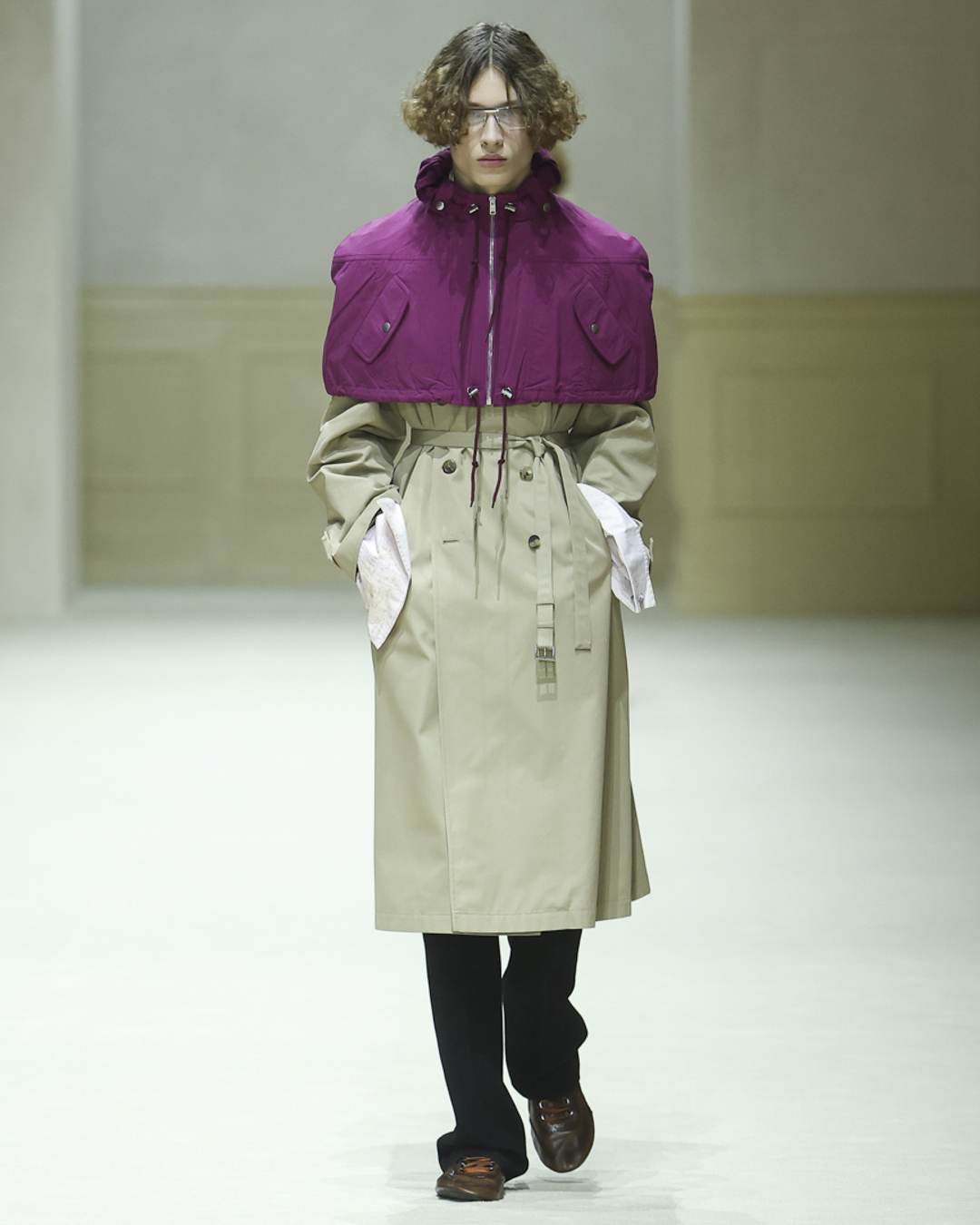
There is something to be said for exquisite simplicity, or at least something that appears simple in appearance but is actually complex in construction. Case in point, the way in which Prada reworked familiar codes while being aware of the form and posture of the wearer, with tailored jackets that emphasised cinched waists and slim silhouettes. The maison also leaned into purposeful imperfections, showcasing stained sleeve cuffs and weathered coats with abrasions at the seams and elbows to reveal a sliver of tweed fabric underneath.
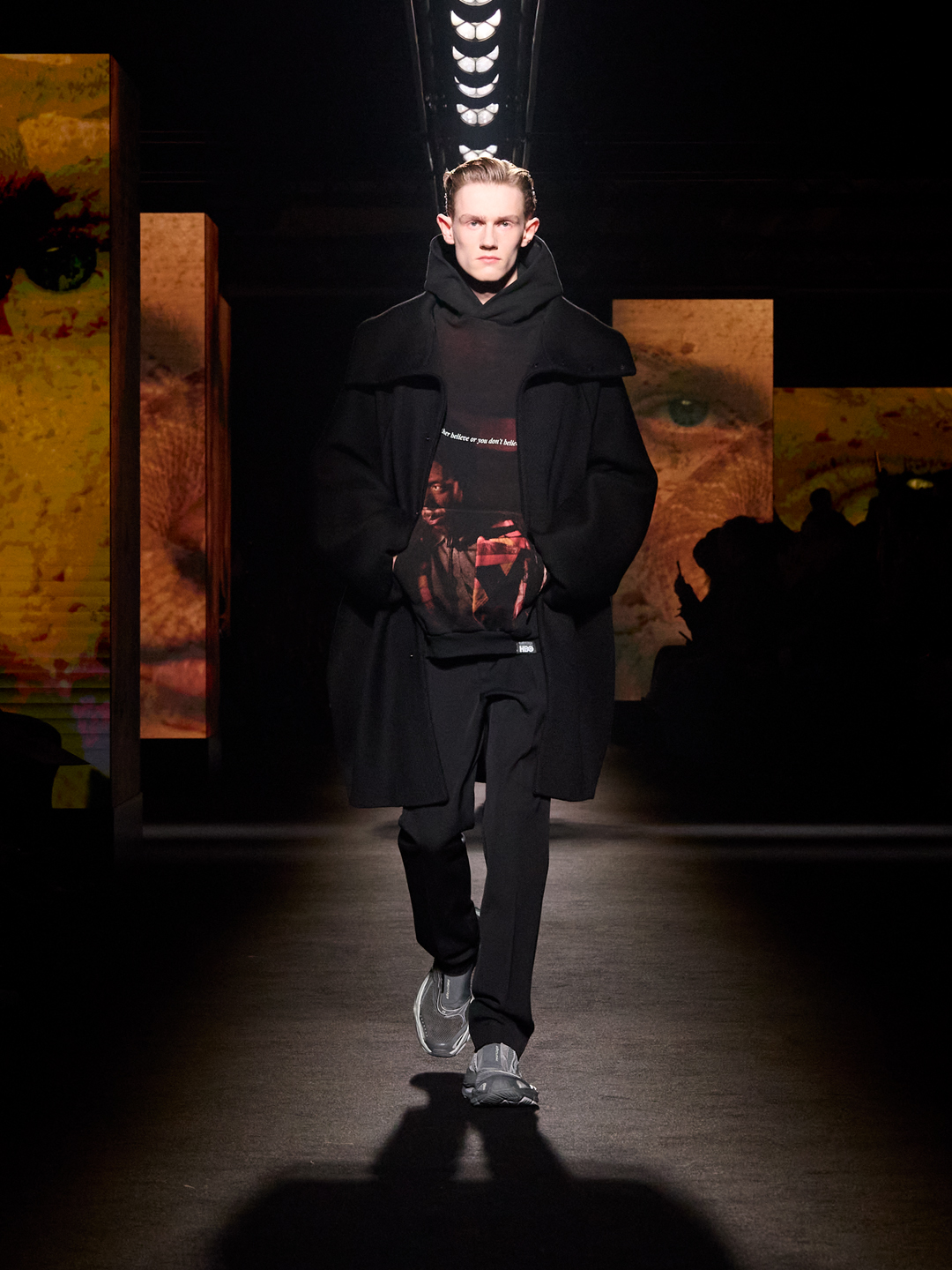
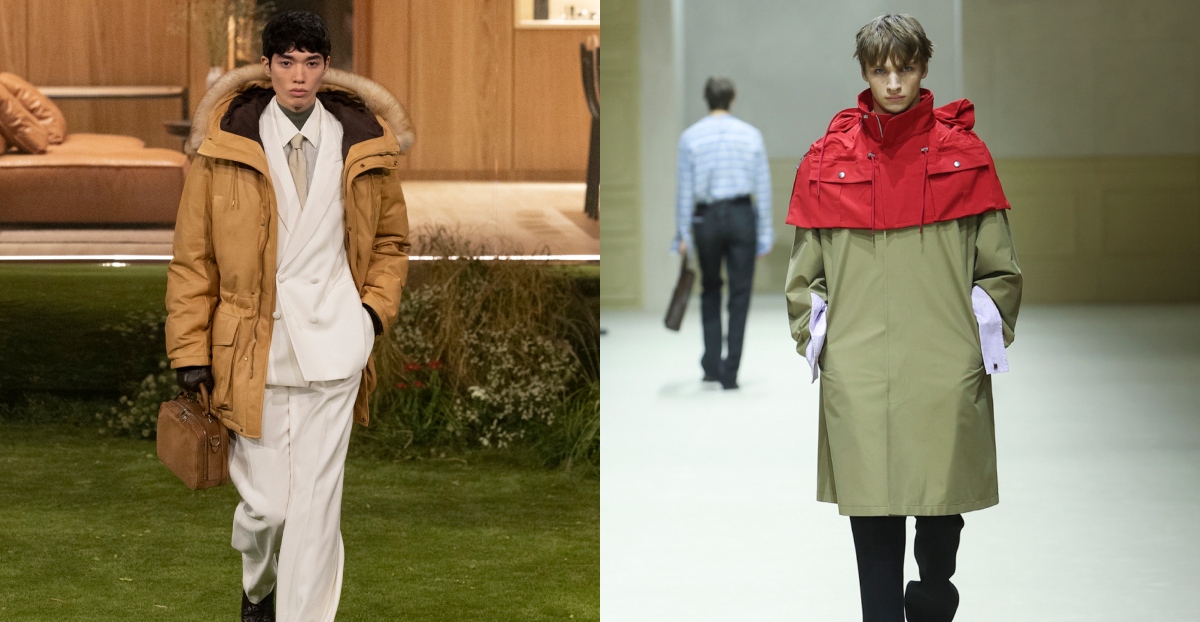
Bold utilitarian capes, layered over outerwear, introduced detachable pops of colour while reinforcing the collection’s practical sensibility. Balenciaga placed a focus on the human form, with collars and hoods crafted to frame the wearer’s face, creating a sense of balance between the voluminous silhouettes and the individual within. The architectural, cocoon-like shapes in supple leather, dense cashmere and silk, alongside sequin embroidery, elevated familiar wardrobe staples without compromising their wearability.
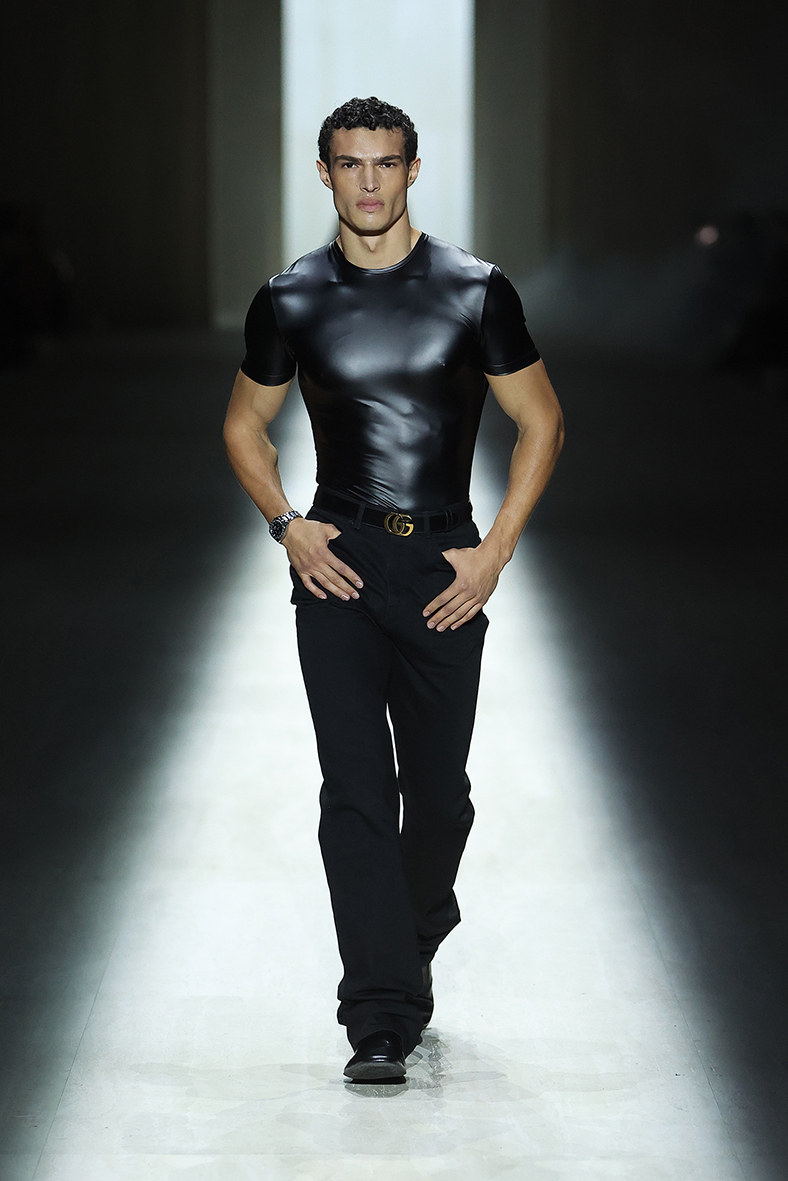
Gucci’s Primavera collection was brimming with frisson and fervour, with Demna’s DNA evident throughout. The days of Alessandro Michele’s maximalism are long gone and in its place was a fresh palette cleanser of snug, black latex-like t-shirts that sculpted onto the body, low rise trousers and oversized suits adorned by bare chested models. Celine’s Michael Rider chose construction over costume by elevating menswear staples and interpreting them to suit the way people want to live, look and feel in the clothes, noting the intention to create clothes that feel necessary and personal, in beautiful fabrics that last. Oversized leather coats, relaxed trousers and skinny leather belts brought a sense of effortless ease to what could have otherwise been severe silhouettes.
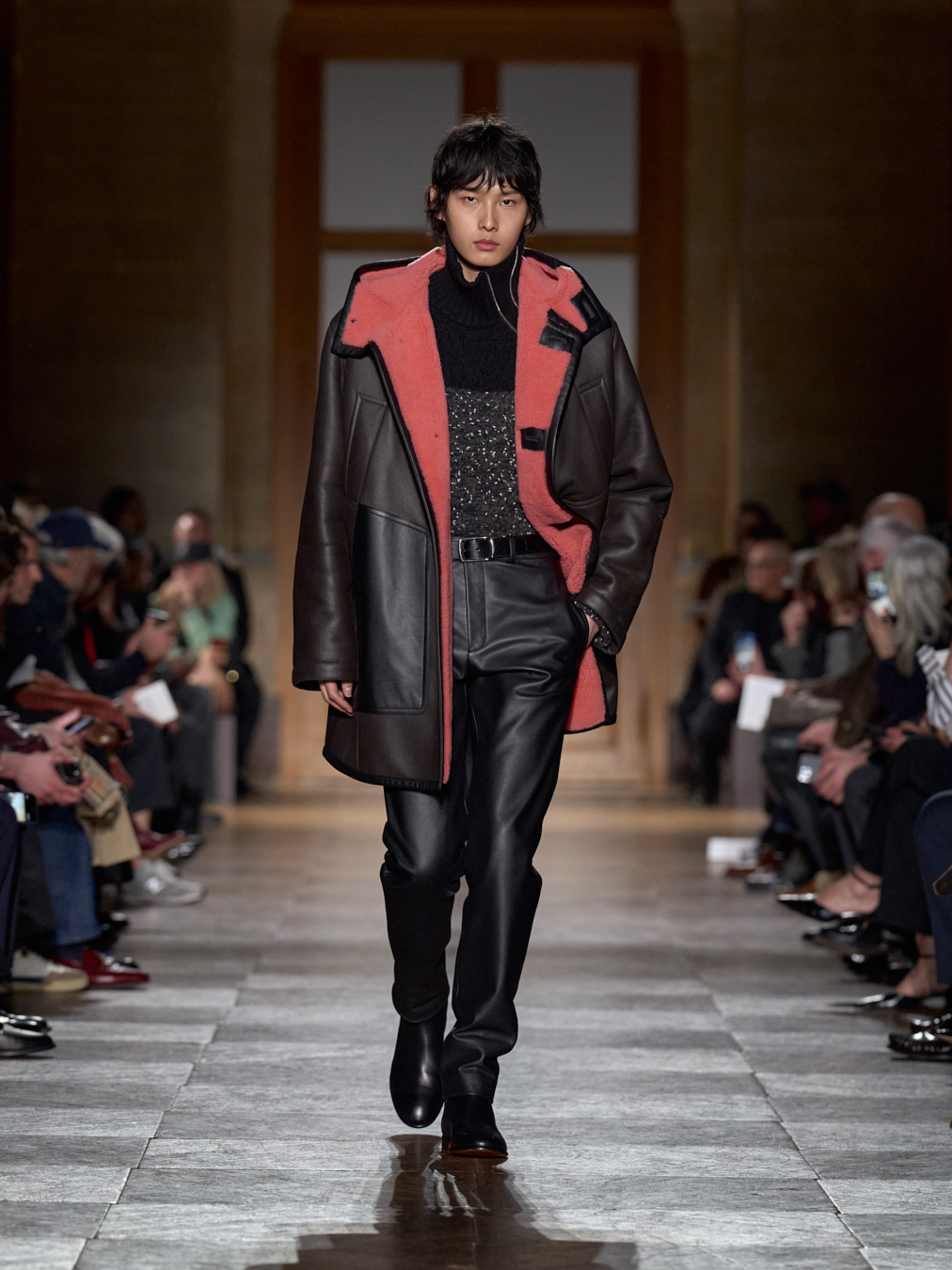
For her final collection as artistic director of Hermès men’s universe, Véronique Nichanian opted to develop a contemporary wardrobe with mixed materials and innovative techniques brought together as part of her mission to create “clothes of today for the long term”. This was evident with the maison’s more technically-minded constructions such as a shearling coat lined with Toilovent and a reversible cashmere-and-wool travel coat. From a full black leather jumpsuit to a double-breasted satin suit paired with a khaki cashmere turtleneck, there was a sensual nature to these pieces that did not exude overt sexuality, while also avoiding looking too conservative and buttoned up.
The Duality of Man
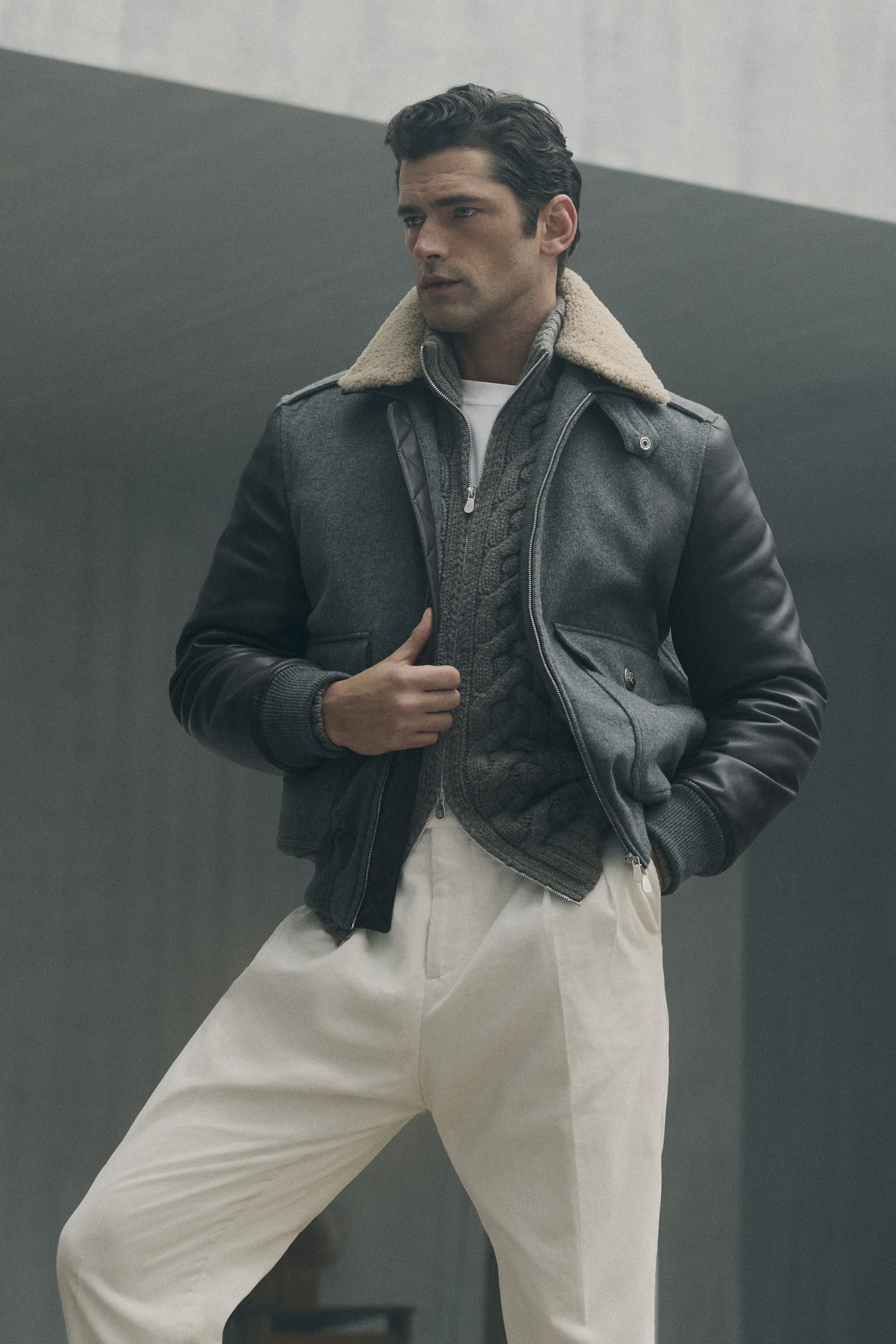
Juxtaposition was arguably the word of the day when it came to an overarching theme for the menswear Fall/Winter’26 collections. The contrast of masculine and feminine, indoor, outdoor, medieval and Rococo. Brunello Cucinelli’s Fall/Winter’2026 menswear collection brought man closer to nature through its distinctive take on practicality and style. Double-breasted blazers with subtly structured shoulders naturally enhanced the physique, while details such as metal buttons and new fabrics with a technical sensibility introduced a more functional edge. This was balanced by knitwear with the rustic charm of deep, irregular textures, reimagined in fine yarns while maintaining the season’s palette of light earth tones and dark neutrals. Perhaps this is emblematic of a new corporate uniform, where workwear and tailoring converge to create a new way of dressing that is both formal and functional.
This perspective of the multifaceted man was also highlighted in Dolce & Gabbana’s collection, aptly titled The Portrait of Man. Drawing on the Italian concept of chiaroscuro — the interplay between light and dark — the collection explored the different contrasts, personalities and identities that can exist within masculinity.
When the collection first debuted in January, there was a degree of controversy surrounding its approach to inclusivity, particularly with regard to the casting of models. However, this was ultimately Dolce & Gabbana’s own interpretation of the modern man and his various different personalities and archetypes. There was the creative visionary, dressed in black beret caps and oversized leather bomber jackets; the introspective thinker in woolly knit sweaters paired with polka-dot shirts; and the Mediterranean sensualist, expressed through white satin shirts and leopard-print robes. Then the structured rationalist appeared in sharply tailored suits, while the restless romantic was represented through oversized fur jackets and sterling coats.
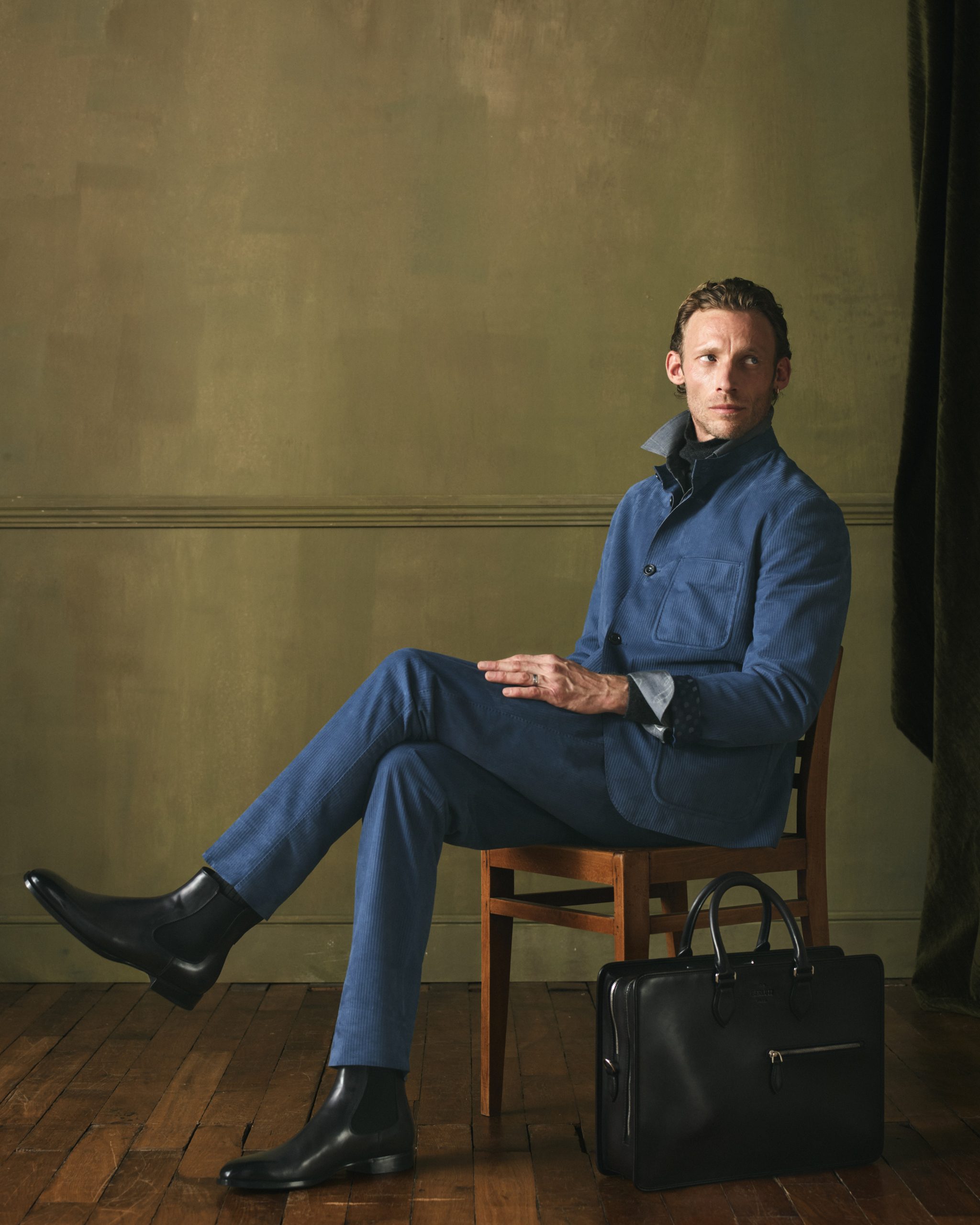
There has been considerable discourse in recent years around the relevance of the suit and the spaces in which it belongs. While the suit will never feel out of place in particular corporate and formal settings, the changing nature of work and contemporary lifestyles has meant that tailoring is increasingly expected to adapt to life beyond the boardroom or ballroom. Berluti showcases that the notion of the suit is certainly not static. Aficionados of tailoring can still pair Berluti’s Forestière jacket with matching trousers for a more relaxed interpretation of the traditional suit. The reversible Fly lambskin jacket, meanwhile, is designed to meet the changing needs of an urban lifestyle. Then there are the shoes: the maison’s hallmark Capri loafers transitions effortlessly from day to night, while the Alessio Chelsea boots inject a subtle sense of modernity into elegant businesswear.
While it could have been easy to look at the Fall/Winter’26 collections and title this piece “Black Is Back” or declare that camel and caramel hues were the shades of the season, the season was ultimately about something far less superficial than colour. It was about a renewed appreciation for clothes that are considered. Perhaps, then, menswear has not rejected novelty altogether, but simply become more discerning about it. Fall/Winter’26 suggests that the future of luxury may lie less in the constant pursuit of what is new and more in the ability to make what is familiar feel relevant again. The new luxury is not necessarily having something no one has seen before, but having something worth keeping.